
13 Best Things To Do in Curacao
My Ranked List of What Is Actually Worth Your Time
Things To Do in Curacao: my honest insider ranked list. The activities genuinely worth your time, from shore diving and Willemstad to turtles, caves and Klein Curacao, reviewed from personal experience.
Things To Do in Curacao The Honest Insider Guide
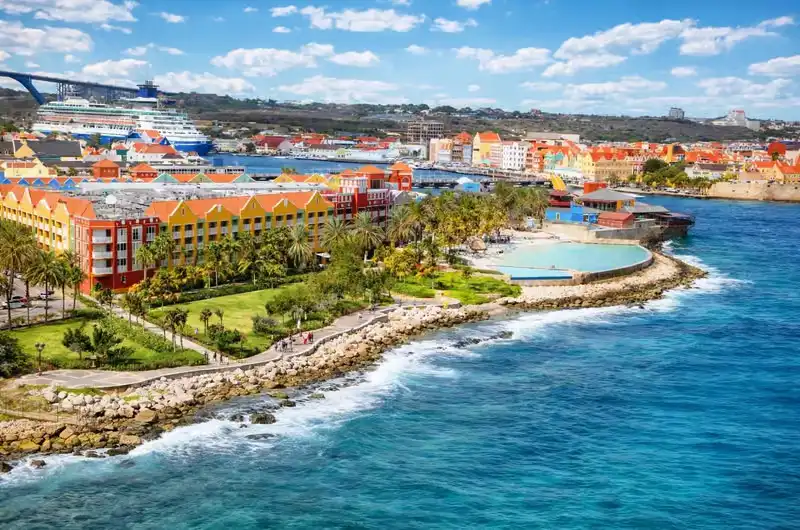
I have visited Curacao more times than I can count on both hands, and I genuinely believe it is one of the most underrated Caribbean islands for pure adventure and cultural immersion. When I first landed here years ago, I expected the typical resort experience. Instead, I found myself captivated by colorful colonial architecture, world-class diving that rivals anywhere in the Caribbean, and a vibrant local culture that actually welcomes visitors who show genuine interest. This island has a personality that grows on you the more time you spend exploring it.
The truth is, things to do in Curacao are incredibly diverse. Whether you are a hardcore diver, a beach lounger, a culture lover, or someone who just wants to wander and discover, this island delivers. I am writing this guide because I have made nearly every mistake a first-timer can make here, and I want you to skip the tourist traps and go straight to the experiences that will actually stay with you.
The Quick Answer: The best things to do in Curacao are shore diving and snorkeling the reefs, exploring UNESCO-listed Willemstad, hiking Christoffel National Park, relaxing at the west-end beaches like Grote Knip and Playa Lagun, swimming with turtles at Playa Piskado, taking a boat to Klein Curacao, eating at the local markets, learning the island's history, tasting Blue Curacao at Landhuis Chobolobo, exploring Hato Caves and the flamingo salt flats, and paddling Spanish Water. But there is so much more beneath the surface, and I am excited to walk you through my personal favorites.
Curacao at a Glance
1. World-Class Diving and Snorkeling
Curacao's Shore Diving Paradise
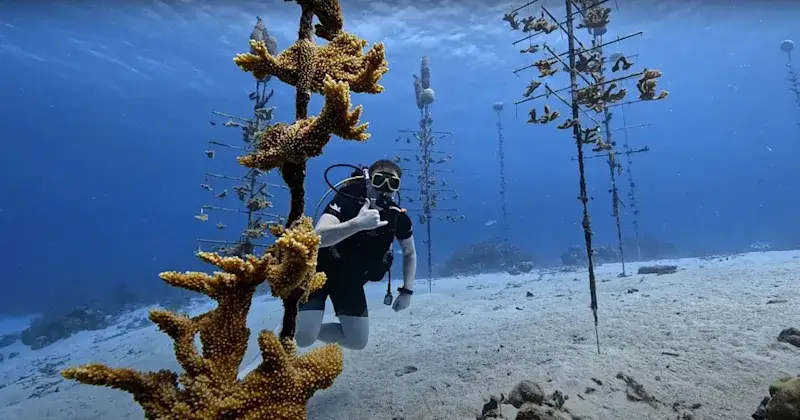
Let me be completely honest: if you are not planning to spend significant time underwater in Curacao, you are missing the entire point of visiting this island. I have dived in some of the world's most famous destinations, and I can say without exaggeration that Curacao's shore diving is the most accessible world-class diving I have ever experienced. You can literally walk into the water from the beach and be on a vibrant coral reef within minutes.
The reef runs along almost the entire sheltered southern coast, with more than 65 named dive sites. I stay at dive-friendly hotels specifically so I can do shore dives several times a day. The coral formations are spectacular, and the biodiversity is staggering. I have seen spotted eagle rays, sea turtles, huge groupers, and once a nurse shark that was more curious about me than I was about it. Visibility is typically 60 to 100 feet, and the water stays warm year-round, usually around 78 to 84 degrees Fahrenheit.
My Favorite Sites
Tugboat near Caracasbaai is a small sunken tugboat in shallow water covered in coral, perfect for snorkelers and divers. The Superior Producer near Willemstad is a larger wreck for experienced divers. Mushroom Forest is famous for its giant mushroom-shaped coral heads, and the Blue Room near Westpunt is a sea cave lit by glowing blue light, reached by boat or a long swim. Playa Lagun and Playa Kalki have excellent reefs right off the beach.
Rent tanks from a dive shop, grab a pickup truck, and do your own shore dives. Many shops offer unlimited shore-diving packages that are much cheaper than boat dives. If you are new to the island, do your first dive with a guide to learn entry points and currents. For snorkelers, Tugboat and Playa Lagun are my top picks from shore.
Break-ins happen at remote beach parking areas. Never leave valuables in your car, and leave the car unlocked with nothing inside if locals advise it. Do not touch or stand on the coral, and use reef-safe sunscreen.
Best for: Divers of all certification levels and confident snorkelers. If you are a beginner, Curacao is genuinely one of the best places on Earth to get certified because the gentle house reefs are perfect for building confidence.
2. Explore the Colorful Streets of Willemstad
Punda, Otrobanda and the Queen Emma Bridge
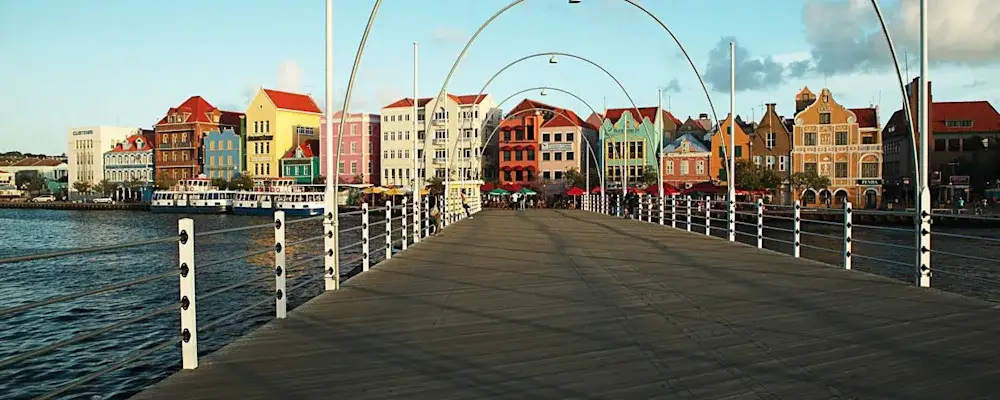
The first time I walked through downtown Willemstad, I genuinely thought I had stepped onto a movie set. The pastel colonial buildings in shades of yellow, pink, blue, and orange are almost too vibrant to be real. This UNESCO World Heritage Site is not just pretty for photos. It tells the story of Curacao as a major Caribbean trading hub, and the architecture reflects centuries of Dutch, African, Sephardic Jewish and Caribbean influences blended together in a way I have not seen anywhere else in the region.
The city is split by St. Anna Bay into two historic districts. Punda is home to the famous Handelskade waterfront, shops, cafés and Fort Amsterdam. Otrobanda, on the other side, is more residential and local, with narrow alleys and colorful street art. The floating Queen Emma Bridge connects the two, and it swings open several times a day to let ships pass; when it does, free ferries carry pedestrians across.
Beyond the Waterfront
The Mikvé Israel-Emanuel Synagogue in Punda, dedicated in 1732, is the oldest synagogue in continuous use in the Americas. Its floor is covered in sand, a tradition often linked to the Israelites' 40 years in the desert and to the secret worship of Jews during the Inquisition, when sand muffled the sound of footsteps. The attached museum is fascinating. Nearby, Pietermaai is a restored district of historic mansions now filled with boutique hotels, bars and restaurants, and Scharloo has grand merchant houses and some of the island's best murals.
Arrive early in the morning before the cruise ship crowds. Start with coffee in Punda, walk across the bridge to Otrobanda for the best view of the Handelskade, then head to Pietermaai for lunch. Come back in the evening when the Handelskade lights up and the waterfront bars fill with locals.
Best for: History lovers, photographers, culture enthusiasts, foodies, and anyone who appreciates beautiful architecture.
3. Hike Christoffel National Park
Climbing Curacao's Highest Point
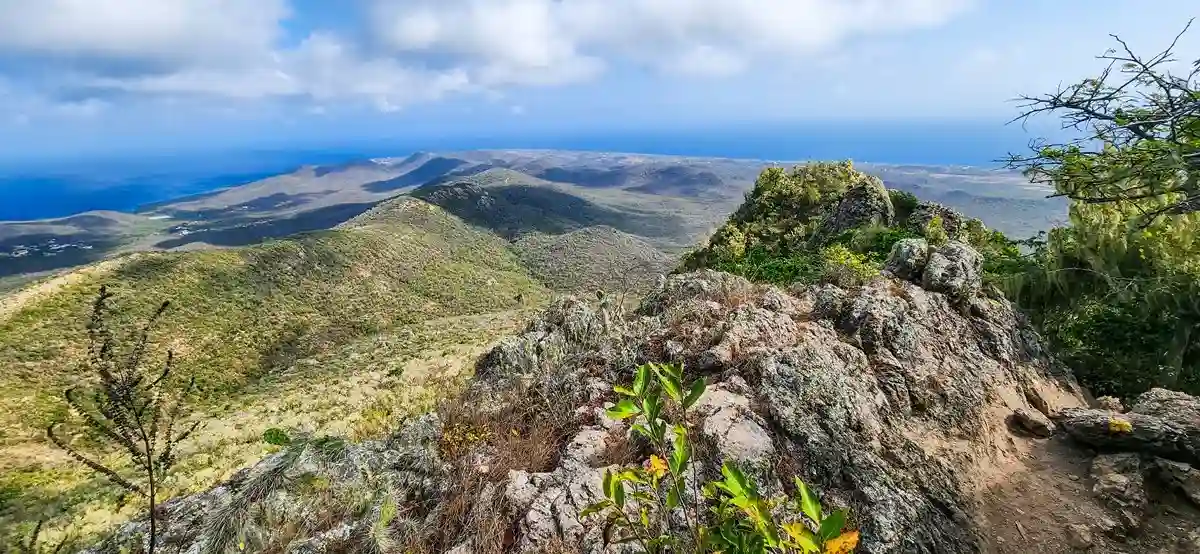
The Christoffel National Park hike is genuinely one of my favorite things to do in Curacao, and it completely changes how you understand the island's landscape. Mount Christoffel is the highest point on Curacao, at about 372 meters (1,220 feet). When I first reached the summit, I was not expecting the views to be quite so sweeping. You can see most of the island, the north coast crashing below, and on clear days neighboring islands on the horizon. The sense of accomplishment is real.
The park covers a large area of protected land on the island's northwestern side, with hiking trails, driving routes and wildlife, including the shy Curacao white-tailed deer. The terrain is dry and scrubby, with giant cacti and rocky outcrops, which makes the views even more striking. The summit trail takes around two to three hours round trip. The final section involves some scrambling over rocks, so wear proper shoes.
Combine It With Shete Boka National Park
Nearby, Shete Boka National Park protects the wild north coast, where waves crash into small inlets called "boka." At Boka Tabla, you can walk down into a sea cave and watch the waves thunder in. The park is also an important nesting site for sea turtles. It is an easy, dramatic stop after your hike.
Arrive right when the park opens. For safety, the summit trail has a cut-off time in the morning, and you will not be allowed to start after it. Bring at least two liters of water per person. After your hike, cool off with a swim at a west-end beach like Grote Knip.
The park can get brutally hot, and there is very little shade on the summit trail. I have seen tourists turn back because they underestimated the heat. Do not swim at Shete Boka; the waves and currents are dangerous.
Best for: Hikers of moderate fitness, nature lovers, photographers, and anyone wanting a genuine sense of accomplishment. Non-hikers can use the scenic driving routes.
4. Discover the West-End Beach Coves
Grote Knip, Playa Lagun and More
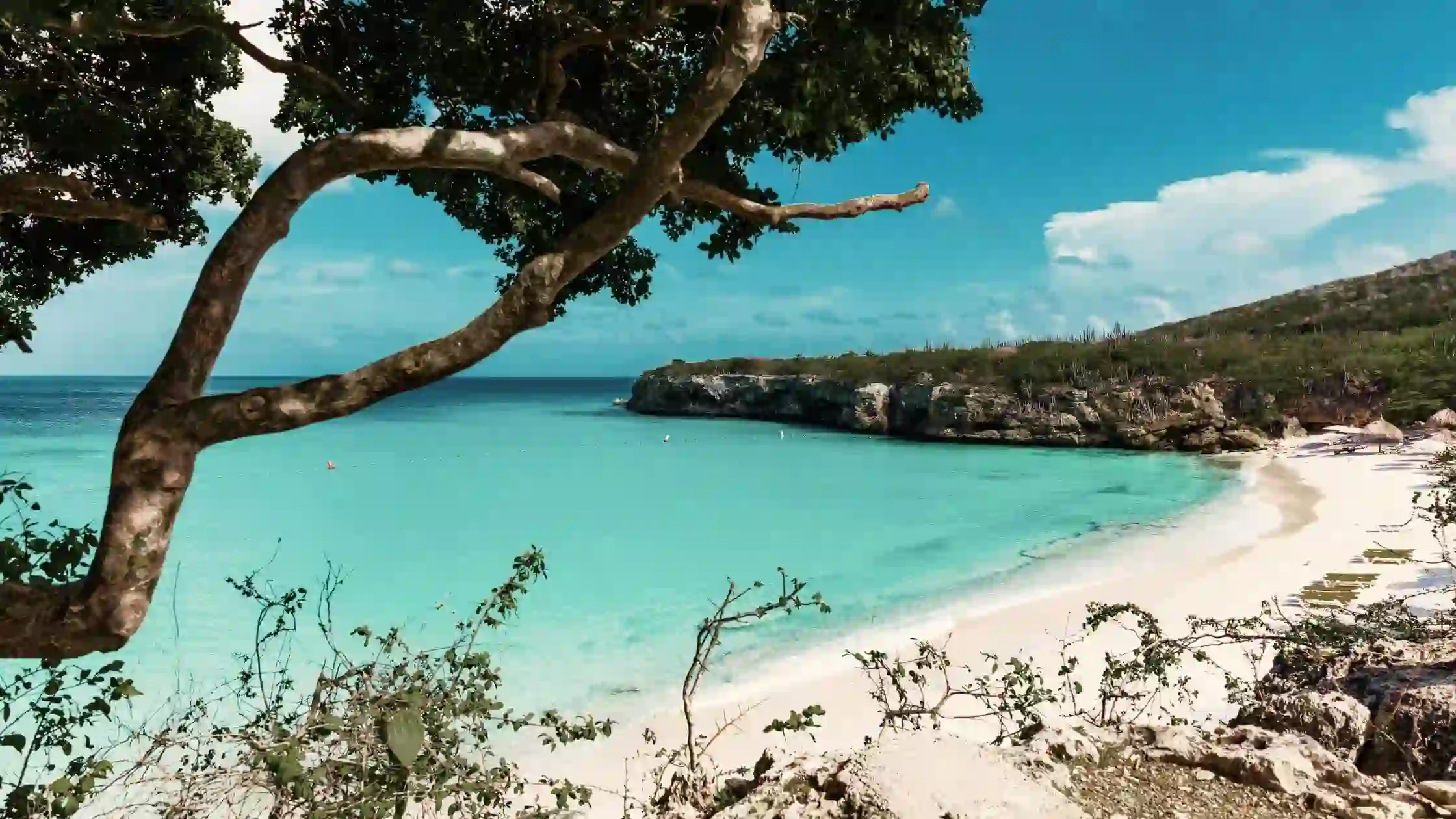
Everyone talks about visiting Caribbean beaches, but Curacao's beaches feel fundamentally different from what I expected. They are smaller, more intimate, and many are tucked into little rocky coves backed by cliffs. I find this variety genuinely appealing compared to the long, cookie-cutter resort beaches on some islands.
Grote Knip, also called Playa Kenepa Grandi, is legitimately one of the most beautiful beaches I have visited anywhere in the Caribbean. The water is impossibly turquoise, the sand is soft and white, and cliffs frame the bay. Just next door, Kleine Knip is smaller and quieter. Playa Lagun is a narrow cove with fishing boats and some of the island's best snorkeling right from the sand. Playa Kalki near Westpunt is a favorite with divers. Cas Abao, on the west coast, is a managed private beach with an entrance fee, loungers, a restaurant and good snorkeling just offshore.
On the southeastern side, near Willemstad, Mambo Beach and Jan Thiel are lively beach clubs with bars, restaurants and water sports, which suit visitors who want facilities and atmosphere rather than seclusion.
Visit Grote Knip on a weekday morning; on weekends it fills up with local families. Bring your own snorkel gear, water and snacks, as facilities at the west-end beaches are limited. Cliff jumping at Playa Forti near Westpunt is popular, but check the depth and only jump if you are confident.
Best for: Beach lovers, swimmers, snorkelers, and anyone who wants the Caribbean experience in a more low-key setting. Families will appreciate the calm water in most coves.
5. Swim With Turtles at Playa Piskado
Curacao's Turtle Beach
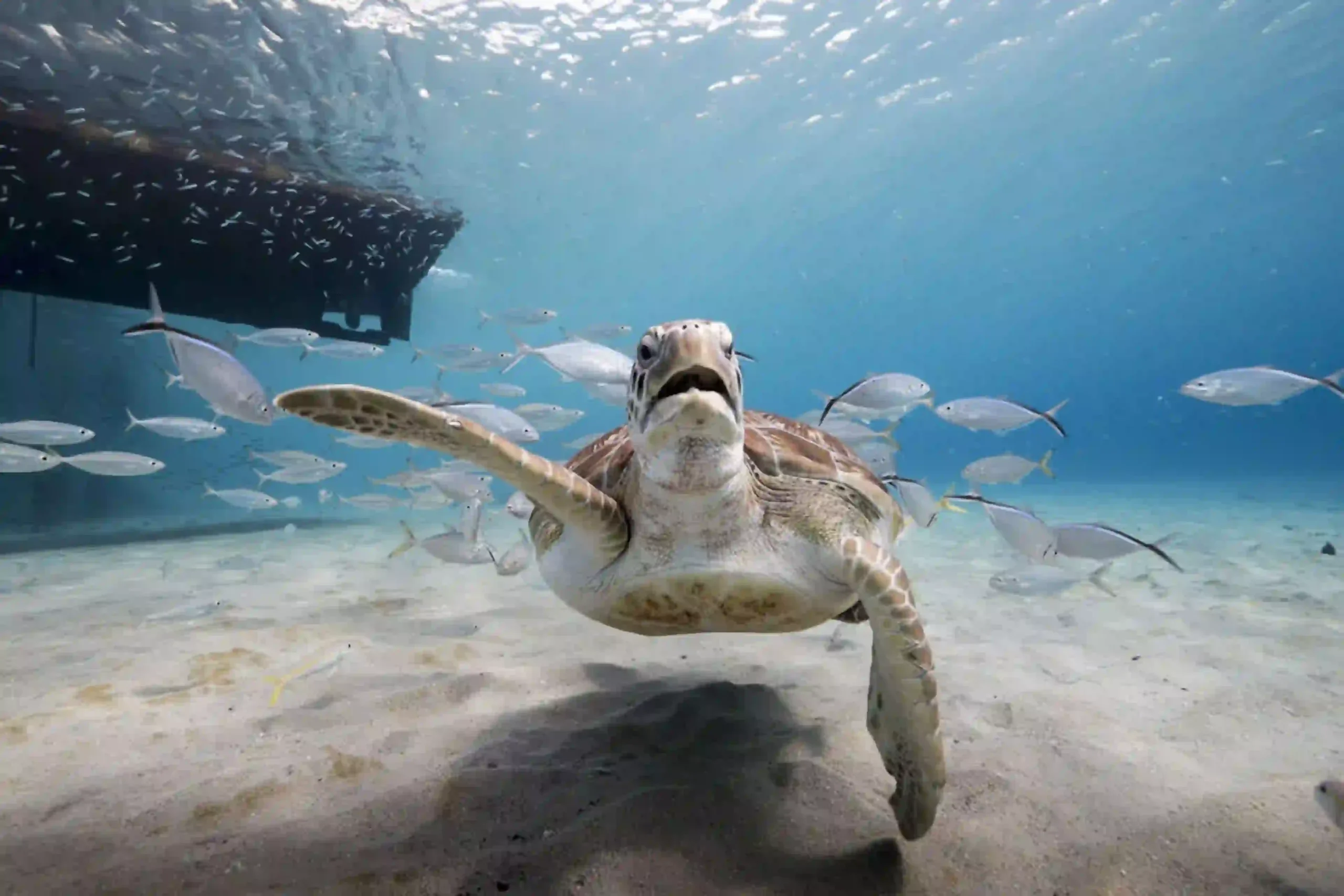
Playa Piskado, also called Playa Grandi, is a small fishing beach near the village of Westpunt on the island's northwestern tip, and it is one of the best places in the Caribbean to snorkel with sea turtles. Local fishermen clean their catch on the pier, and green turtles have learned to gather in the shallow water nearby. On a good day, you can see several turtles within minutes of getting in the water.
The experience is simple and unforgettable. You swim out from the small beach, and the turtles glide past you, surface to breathe, and graze on the seabed. The fishing boats, the pelicans diving for fish and the relaxed village atmosphere make it feel very authentic. There is usually a small snack bar and a few vendors on the beach.
Playa Piskado pairs perfectly with Grote Knip, Playa Lagun and Christoffel Park for a full day in the west.
Arrive early in the morning before the tour buses. Bring cash for parking or snacks. Keep a respectful distance and let the turtles come to you; never touch, chase or feed them.
Stay clear of the pier and the boats, especially when fishermen are working. Watch out for boat traffic in the water.
Best for: Snorkelers of all levels, families with kids who can swim, wildlife lovers and photographers.
6. Day Trip to Klein Curacao
An Uninhabited Island Escape
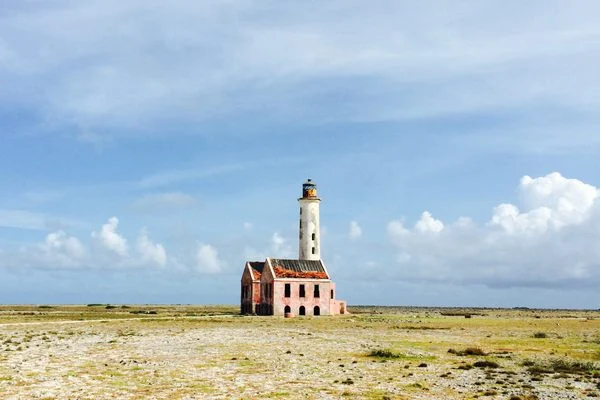
Klein Curacao, meaning "Little Curacao," is a tiny, flat, uninhabited island southeast of Curacao, and it is one of those Caribbean experiences people talk about for years. It has a long white-sand beach, water in shades of turquoise that look almost unreal, an old pink lighthouse, and a shipwreck rusting on the rocky shore.
Most day trips leave from the southeastern coast in the morning, usually aboard catamarans or motor yachts, and take around 1.5 to 2 hours each way. Once there, you can snorkel with turtles, walk to the lighthouse and the wreck, and relax on the beach. Most trips include lunch, drinks and snorkel gear.
Book with an operator that offers shaded areas on the beach, and choose a faster boat if you are prone to seasickness. Walk to the lighthouse in the morning before it gets too hot, and bring reef-safe sunscreen and a hat.
The open-sea crossing can be rough, especially when the trade winds are strong. Take seasickness medication before departure if you are sensitive. Trips are sometimes canceled in bad conditions.
Best for: Beach lovers, snorkelers, couples, groups of friends, and anyone looking for a desert-island day.
7. Eat at the Local Markets
Marshe Bieuw and Curacao's Local Food
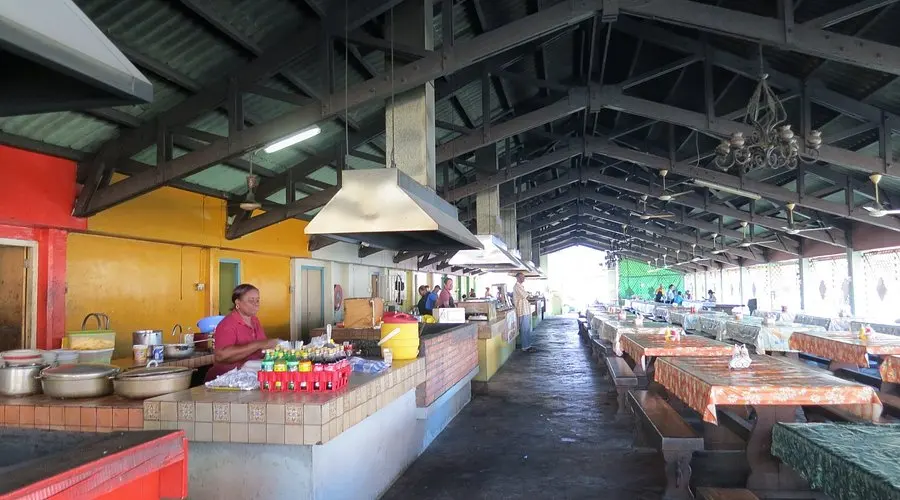
If you want to understand what Curacao is really about, eat where locals eat. My favorite spot is Marshe Bieuw, the old market in Punda, where a row of local cooks serve hearty lunches at long communal tables. There is no fancy menu. You pick from pots of stews, goat curry, fried fish, and sides like rice and beans, plantains, and funchi. The atmosphere is noisy and friendly, and you will often share a table with office workers and families.
Try keshi yena, a round of Edam or Gouda cheese stuffed with spiced meat and baked, which reflects the island's Dutch and Caribbean heritage. Stoba (stew) made with goat or beef, funchi (a cornmeal side similar to polenta), and pastechi (savory pastries) are everyday favorites.
Near Punda, the waterfront where Venezuelan boats once sold produce, known as the Floating Market, has been disrupted in recent years by border closures. Check locally what is operating during your stay.
Go to Marshe Bieuw for lunch only; it closes in the afternoon. Arrive before noon for the best choice, bring cash, and ask the cooks what their specialty is that day. Consider a local cooking class to learn to make funchi and keshi yena yourself.
Best for: Foodies, budget travelers, culture lovers, and anyone wanting to experience everyday island life.
8. Learn Curacao's History and Heritage
Museums, Landhuizen and the Story of Tula
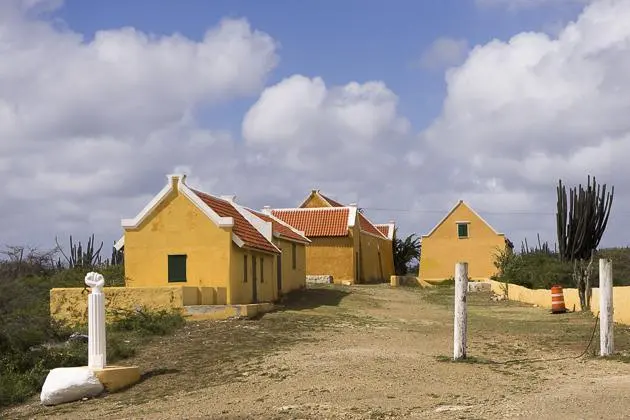
Curacao has remarkable cultural depth for a small island, and much of it is tied to a painful history. The island was a major center of the Atlantic slave trade under Dutch rule, and understanding that past gives real meaning to the architecture and culture you see today.
Landhuis Kenepa, a plantation house near Grote Knip, is where the 1795 slave revolt led by Tula began. Tula is now a national hero, and the revolt is commemorated every year on August 17. The house has a small museum telling the story. Museum Kura Hulanda in Otrobanda is known for its exhibits on the transatlantic slave trade and African heritage; check its current opening status before you go.
Across the island, you will see many landhuizen, the old plantation houses. Some are now museums, restaurants or galleries, and they make interesting stops on a drive through the countryside. The Curacao Museum in Scharloo, set in a historic building, displays art and artifacts from the island's colonial past.
Visit Landhuis Kenepa on the same day as Grote Knip, since they are right next to each other. Opening hours at smaller museums can be limited, so check ahead. Heritage sites make a great plan for the hottest part of the day.
Best for: History lovers, culture seekers, families with older children, and travelers wanting to understand the island more deeply.
9. Taste Blue Curacao at Landhuis Chobolobo
The Home of the Island's Famous Liqueur
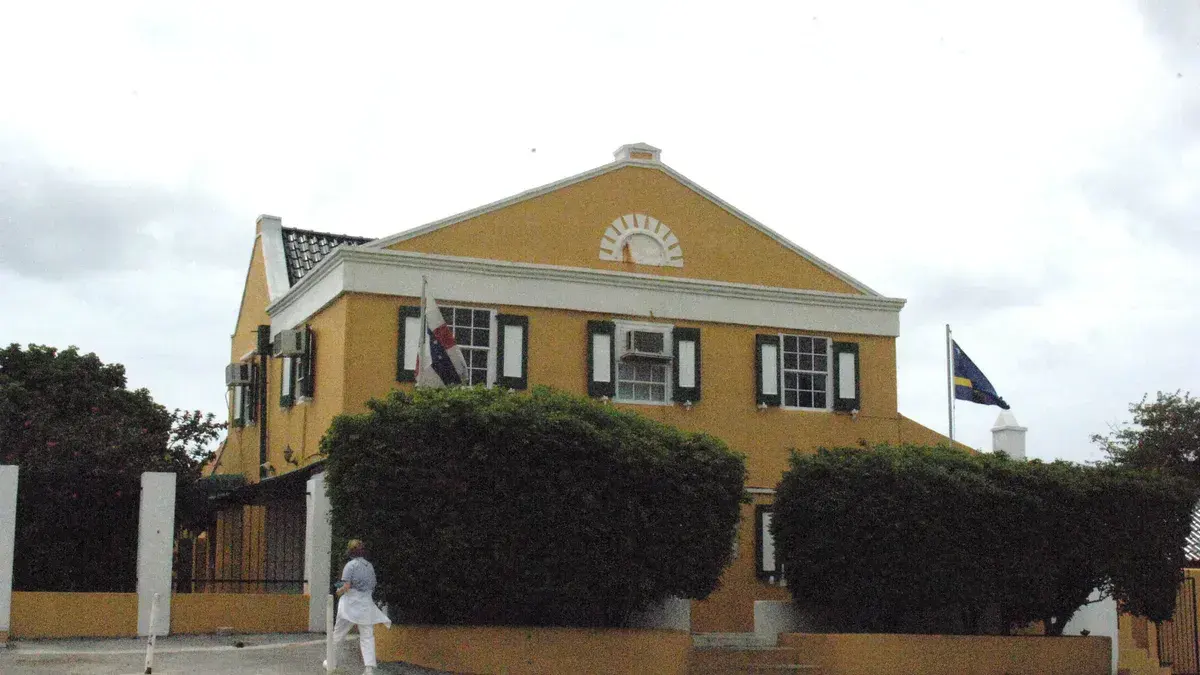
Curacao gave its name to one of the world's best-known liqueurs, and Landhuis Chobolobo, a historic plantation house just outside Willemstad, is where the Senior & Co. distillery produces the original version. The liqueur is made from the dried peel of the laraha, a bitter orange that grows on the island and descends from the Valencia oranges brought by the Spanish.
Tours explain how the liqueur is made, and you can taste different flavors, not just the famous blue one. It comes in several colors, including orange, clear, red and green, all with the same base flavor. The setting is lovely, and there is a bar where you can try cocktails made with the liqueur.
Take the guided tour to learn how the laraha peel is processed, then stay for a cocktail on the terrace. Buy bottles here as souvenirs; you will find flavors that are hard to get elsewhere.
Best for: Cocktail lovers, souvenir hunters, couples, and anyone wanting a relaxed cultural stop near Willemstad.
10. Explore Hato Caves and See the Flamingos
Limestone Caves and Pink Flamingos
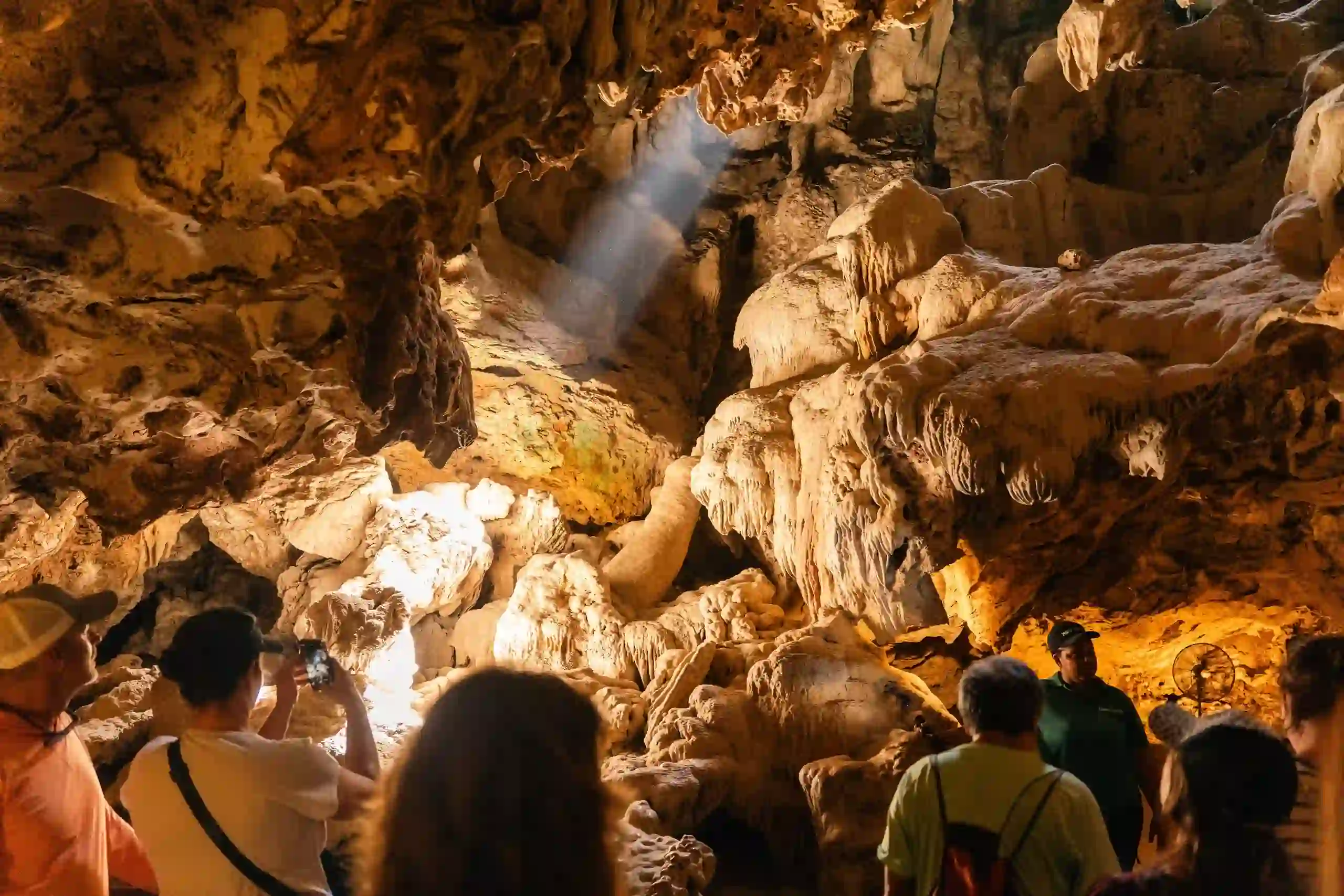
Hato Caves, near the airport, are a network of limestone caves formed from ancient coral reef that was lifted above sea level over thousands of years. Guided tours take you through chambers filled with stalactites and stalagmites, underground pools and colonies of bats. Near the entrance, look for ancient drawings left by the island's first inhabitants, which add a fascinating historical layer.
The tours are easy and informative, lasting under an hour, and the caves offer a welcome break from the heat. Some of the formations have been given playful names by the guides, and the lighting brings out the colors of the rock.
See Wild Flamingos
Curacao also has wild flamingos, which feed in the shallow salt pans around the island. One of the easiest places to see them is at the Jan Kok salt flats near the village of Sint Willibrordus, on the way to the west-end beaches. Stop at the roadside and look out over the water. Flamingos are often there in large numbers, especially in the morning and late afternoon.
Visit Hato Caves on the day you arrive or depart, since they are close to the airport. For flamingos, bring binoculars or a zoom lens, and stay by the road; do not walk into the salt flats, as it disturbs the birds.
Best for: Families, nature lovers, photographers, and anyone wanting a break from the beach.
11. Paddle Spanish Water and Try Water Sports
Spanish Water, Kitesurfing and Boat Trips
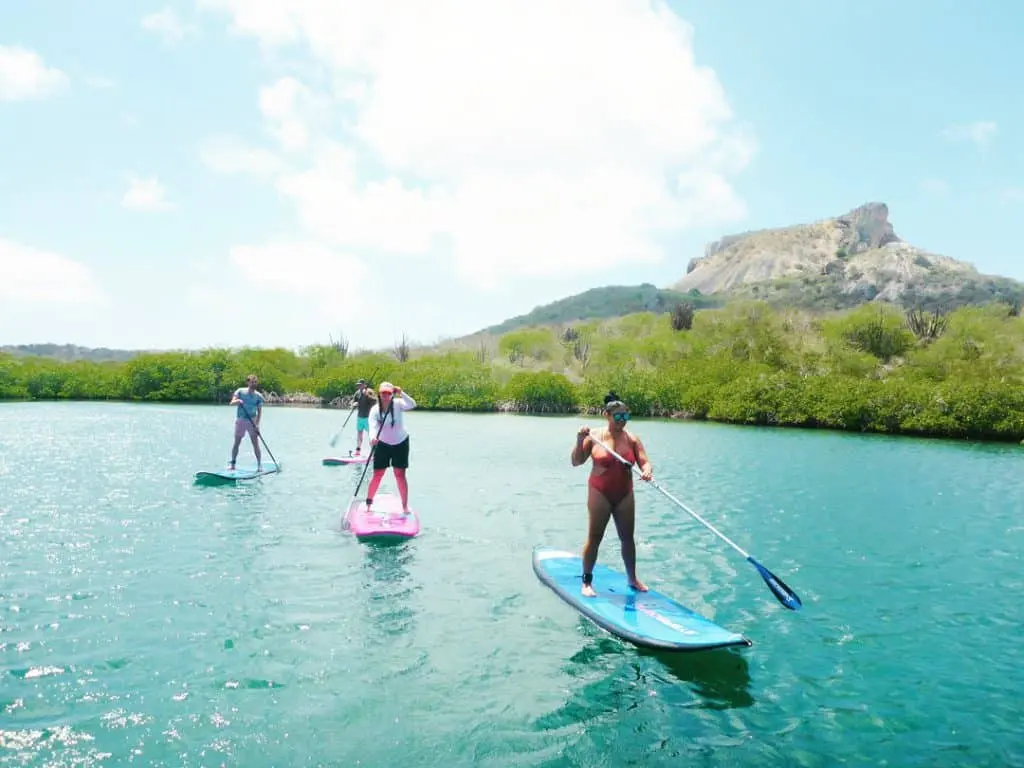
Beyond diving and snorkeling, Curacao offers some genuinely fun water sports that I did not expect to find here. Spanish Water, a large protected lagoon on the southeastern side of the island, is perfect for stand-up paddleboarding and kayaking. The water is calm and sheltered, and you can paddle past yachts, mangroves and small islands. I tried paddleboarding for the first time here, and it was the perfect place to learn.
Kitesurfing and windsurfing are popular thanks to the reliable trade winds. Sint Joris Bay on the east coast is the main spot for kitesurfing, with schools offering lessons for beginners. On the busier southern beaches like Mambo Beach and Jan Thiel, you will find jet skis, banana boats and other rentals.
For a relaxed day on the water, sunset cruises, catamaran sails and fishing charters leave from Spanish Water and the southeastern coast.
Paddle Spanish Water early in the morning when the lagoon is glassy and the wind is light. For kitesurfing, the strongest winds usually come in the first half of the year. Book lessons with a certified school.
Best for: Active travelers, beginners wanting to learn a water sport, families, and anyone who wants to be on the water without diving.
More Things To Do If You Have Time
These did not make my top eleven, but each is worth adding if it fits your trip.
Pietermaai Nightlife
Restored mansions turned into bars and restaurants, with live music on weekends. The liveliest evening scene on the island.
Curacao Sea Aquarium
A marine park near Mambo Beach, good for families and a quick look at local sea life.
Street Art Walks
Explore murals in Otrobanda and Scharloo on foot or with a local guide.
Carnival
Curacao's Carnival brings parades, music and street parties in the weeks before Lent.
North Coast Jeep Tour
Off-road tours explore the rugged north coast, caves and remote beaches.
Sunset Cruise
Sail along the south coast and watch the sun set over the water with a drink in hand.
Best Time to Visit for Each Activity
Curacao is warm and dry most of the year and sits south of the main hurricane path, but the seasons still affect crowds and conditions.
| Season | Months | Conditions | Best For |
|---|---|---|---|
| Peak season | Mid-Dec to April | Dry, sunny, breezy | Beaches, Willemstad, Carnival; book early |
| Shoulder season | May to August | Hot, windy, fewer crowds | Kitesurfing, value stays, Tula Day (Aug 17) |
| Calm season | September to October | Hottest, lightest winds | Diving, snorkeling, Klein Curacao trips |
| Short rainy season | November to mid-Dec | Occasional short showers | Green landscapes, hiking, quieter beaches |
My Practical Tips for Doing Curacao Right
- 1Rent a car. Public transport is limited and taxis are expensive. A car is essential for reaching the west-end beaches, Christoffel and Playa Piskado.
- 2Split your trip by area. Stay near Willemstad for culture and nightlife, or in the west for beaches and diving. Plan at least one full day in the west.
- 3Never leave valuables in the car. Break-ins happen at beach parking areas, especially remote ones.
- 4Bring your own snorkel gear and water shoes. Many beaches have rocky entries and great reefs right from shore.
- 5Check the cruise schedule. Willemstad gets busy on cruise days, so explore early or late.
- 6Protect yourself from the sun. The breeze hides how strong it is. Bring reef-safe sunscreen, a hat and plenty of water.
Common Questions About Things To Do in Curacao
The questions I get asked most often, answered honestly from personal experience.
My Final Verdict on Things To Do in Curacao
Curacao does not have the sheer volume of activities you find on a large island like Jamaica or Puerto Rico, but every activity it offers is good. The diving and snorkeling are world class. Willemstad is genuinely fascinating to explore. Christoffel Park rewards early risers with spectacular views. And the Klein Curacao day trip is one of those Caribbean experiences that gets talked about years later.
My one piece of advice: resist the temptation to spend all your time at the resort or beach. The things that make Curacao genuinely different from other Caribbean islands, the UNESCO city, the history, the dramatic north coast, the local food, all require getting in a car and going to find them. Do that and you will return home with a much richer experience.
Plan Your Curacao Trip