
13 Best Things To Do in Grenada
From the Sculpture Park to the Rainforest
Six trips in and I am still finding new things to do on this island. Here is everything I think is genuinely worth your time, and a few honest caveats on the popular options.
Things To Do in Grenada The Honest Insider Guide
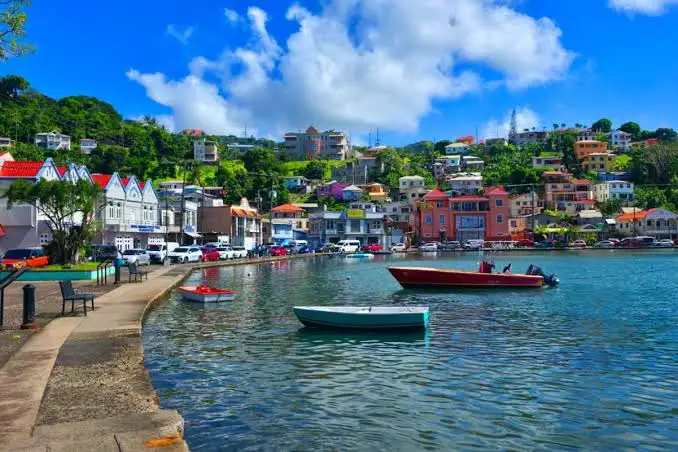
I have fallen completely in love with Grenada over my multiple visits, and I can tell you without hesitation that this island punches way above its weight when it comes to activities and experiences. When most people think of Caribbean vacations, they picture beach lounging, but Grenada is where you go if you actually want to do things. I have hiked through rainforests, explored underwater sculpture parks, gotten lost in spice estates, and made friends with locals who became lifelong connections. The things to do in Grenada range from adventure activities that will get your adrenaline pumping to cultural experiences that will genuinely change how you see the Caribbean.
Here is what makes me qualified to guide you: I have spent significant time across all three of Grenada's islands. I have stayed in everything from budget guesthouses to luxury resorts. I have eaten at restaurants where tourists never venture and beaches where you might be completely alone. Most importantly, I have made mistakes so you do not have to, and I will be honest about what is worth your time and what is overhyped.
The Quick Answer: The best things to do in Grenada are snorkeling the Underwater Sculpture Park, hiking in Grand Etang and up Mount Qua Qua, swimming under waterfalls, visiting the nutmeg station in Gouyave, touring the chocolate and rum estates, exploring St. George's and Fort George, relaxing at Grand Anse, eating at Fish Friday, island hopping to Carriacou, diving the Bianca C, watching turtles at Levera, running with the Hash, and eating a proper oil down. Each of these has layers, insider tips, and honest caveats that will help you make the most of your time here.
Grenada at a Glance
1. Snorkel the Underwater Sculpture Park
Jason deCaires Taylor's Submerged Art Gallery
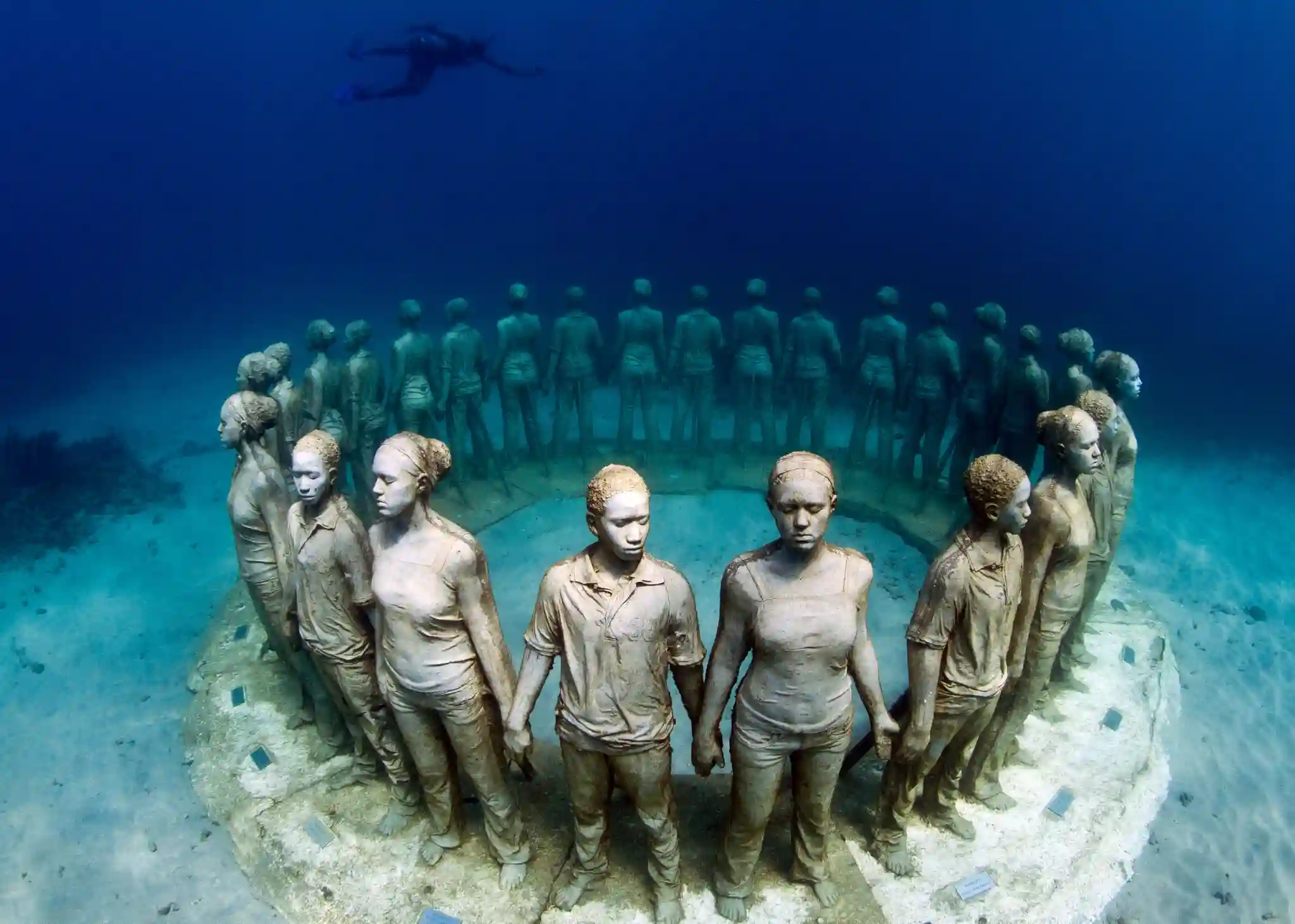
I genuinely consider this one of the most unique snorkeling experiences in the entire Caribbean, and I have snorkeled from Belize to Barbados. The Underwater Sculpture Park sits in Molinere Bay, a short boat ride north of St. George's, where British artist Jason deCaires Taylor created the first pieces of an underwater gallery of concrete sculptures in 2006. Other artists have added works since. When I first saw these figures emerging from the blue water, I felt something between wonder and eerie fascination that I have not experienced anywhere else in the region.
The most famous piece is "Vicissitudes," a ring of life-size children holding hands, cast from local kids. Other works include a man at his desk and a submerged bicycle. The sculptures are not just art for art's sake. Over time, they become artificial reefs where coral and sea life colonize the concrete surfaces. On my most recent visit, I saw coral growing across the figures and fish darting between them. It transforms as you watch it, which means no two visits are the same.
The sculptures sit at different depths, with many in shallow water that snorkelers can see clearly and others deeper that are best seen by divers. There is often a mild current, so confident swimmers will get the most from it. If you are not comfortable in the water, glass-bottom boat tours offer a good view without getting wet.
Go early in the morning before the tour boats arrive. I have had entire sections of the park to myself when I arranged an early private trip. The water is clearer, the light filters beautifully through the sculptures, and you can spend unhurried time with each piece. Contact operators directly the day before to ask about early departures, and check whether the marine park fee is included.
Never touch the sculptures, stand on them or take anything from them. The coral growth is fragile, and the park is a protected area. I have seen nervous swimmers panic in the current, so be honest about your ability and use a float if you need one.
Best for: Snorkelers and divers, underwater photographers, art lovers, and anyone seeking something different from typical Caribbean activities.
2. Hike Grand Etang and Mount Qua Qua
The Island's Most Rewarding Rainforest Trail
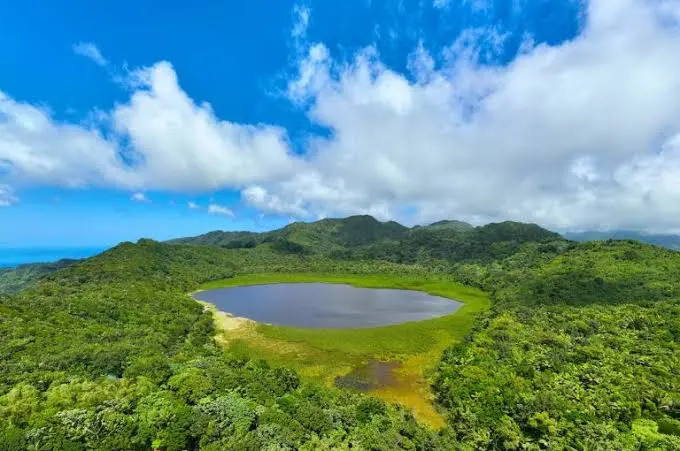
If you want to understand what Grenada really is beyond the resorts and beaches, head into the mountains of Grand Etang Forest Reserve. The reserve surrounds Grand Etang Lake, a crater lake in an extinct volcano, and it is covered with lush rainforest, ferns and mist. Start at the visitor center, where you will often see mona monkeys, introduced to the island centuries ago, waiting near the road.
From there, the hike to Mount Qua Qua is the most rewarding trail in the reserve. This is a moderate rainforest hike that takes you along a ridge through dense vegetation, with views over the lake and, on clear days, across the island toward both coasts. I have done this hike four times now, and each time I discover something new or have an unexpected encounter with local wildlife. The rainforest smells incredible. There is moisture, earth, growing things, and something almost primordial about moving through that density of green.
The trail is not technically difficult, but it is steep in places and can be very muddy, especially after rain. Allow around three hours for the round trip. For an easier option, the shorter lake circuit trails are pleasant and less demanding.
Hire a local guide. The trail can be confusing, and a guide will point out plants, birds and history you would otherwise miss. It also puts money directly into the pockets of Grenadians who know this island better than anyone. I always use guides recommended by my guesthouse and tip them well. Go early for the clearest views and coolest temperatures.
The ridge has narrow sections with steep drops, which can be psychologically challenging if you are afraid of heights. After heavy rain, the trail becomes genuinely treacherous. Wear shoes with good grip and check conditions with your guide before committing.
Best for: Hiking enthusiasts, nature lovers, birdwatchers, and anyone wanting an authentic rainforest experience.
3. Swim Under Grenada's Waterfalls
Seven Sisters, Annandale, Concord and More
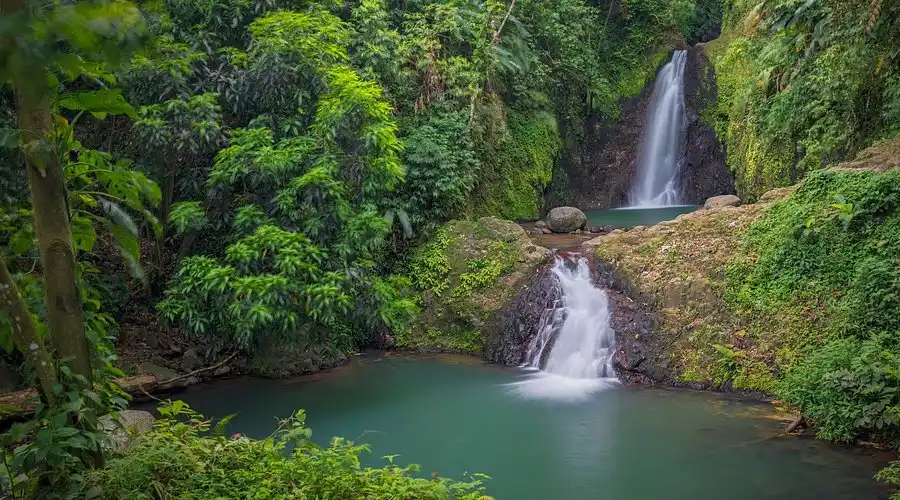
Grenada's volcanic mountains are full of waterfalls, and swimming in a cool rainforest pool is one of the island's great pleasures. They range from easy roadside falls to hidden cascades that require a proper hike.
Seven Sisters Falls, near Grand Etang, is my favorite. The hike takes you down through rainforest and across streams to a series of falls with deep pools. It is muddy, but the reward is swimming in one of the most beautiful settings on the island. Annandale Falls, close to St. George's, is the easiest to reach, with a short path, gardens and a pool, and it is great for families. Concord Falls on the west coast has several levels, with the lowest reachable by road and the upper falls requiring a longer hike. Mount Carmel Falls in the east is one of the tallest on the island.
Go early to beat the tour groups, especially at Annandale. Wear water shoes or sandals with grip, since the rocks are slippery. Small entry fees are usually charged at the falls, so bring cash. Hire a guide for Seven Sisters; the path is not always clear.
Do not visit waterfalls during or immediately after heavy rain. Water levels can rise quickly and trails become dangerous. Be cautious of locals offering to jump from the falls for tips at the busier sites; enjoy the show, but do not attempt it yourself unless you know the depth.
Best for: Nature lovers, families (Annandale), hikers (Seven Sisters), and anyone wanting a refreshing break from the beach.
4. Visit the Nutmeg Station in Gouyave
Where the Spice Isle Got Its Name
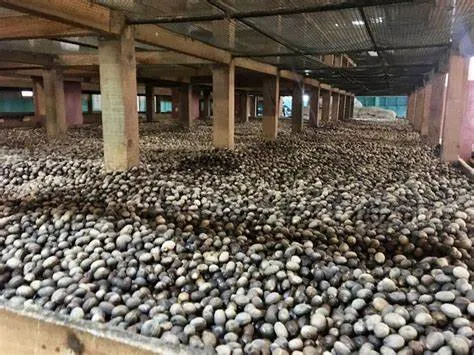
Grenada earned its nickname "The Spice Isle" for a reason, and the nutmeg even appears on the national flag. Visiting the nutmeg processing station in Gouyave, on the west coast, is essential for understanding this place. Inside the historic building, workers sort, dry and grade nutmegs, often by hand, in a scene that has changed little in decades. The smell is incredible.
Guides explain how nutmeg is harvested, how the seed is separated from the bright red mace that wraps around it, and how the spice is dried and graded for export. What moved me most was learning about the economic complexity. Nutmeg trees take years to produce a good yield, and many were destroyed by Hurricane Ivan in 2004, a blow the industry is still recovering from. I met workers who have spent their entire working lives here. This is not romantic agricultural tourism. This is real work that sustains real families.
Nearby, Dougaldston Estate is one of the island's oldest spice estates, where you can see cocoa, nutmeg, cinnamon and cloves being dried the traditional way. The Laura Herb and Spice Garden in the south is a gentler introduction, with a guided walk through gardens of spices and herbs.
Visit the nutmeg station on a weekday morning when it is fully working, and combine it with lunch in Gouyave or with Fish Friday in the evening. Buy spices at the station or at local markets; they are fresher and cheaper than in tourist shops. Ask your guide about the pressures facing nutmeg farming. The honest stories are the best part.
Best for: People interested in Caribbean history and culture, anyone who cares where their spices come from, and travelers wanting experiences beyond typical attractions.
5. Tour the Chocolate and Rum Estates
Belmont Estate, Grenada Chocolate and River Antoine
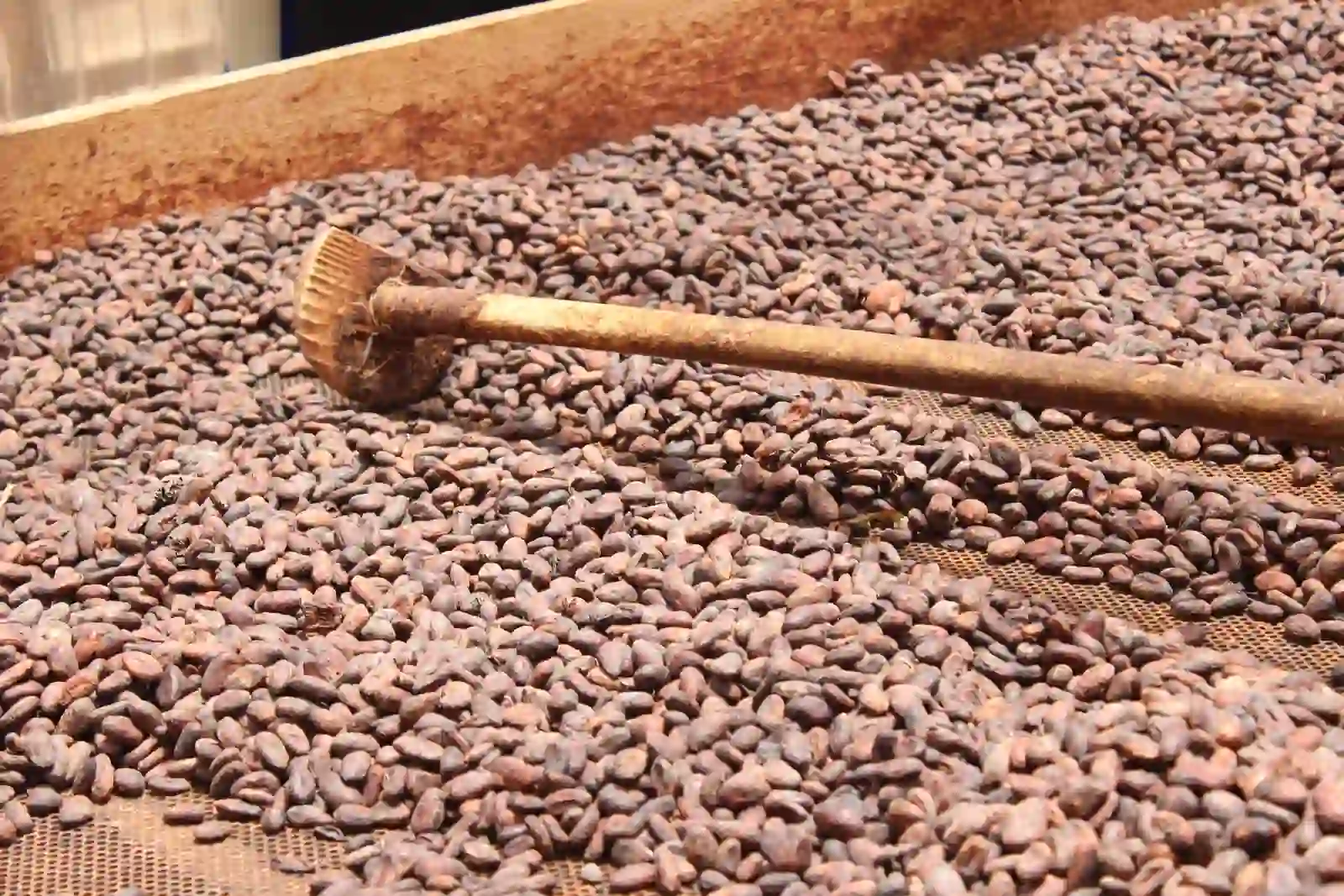
I mentioned nutmeg already, but Grenada's estate culture goes far beyond it. The island grows some of the finest cocoa in the world, and a proper estate tour combines walking through working agricultural land with learning about how crops are processed and what they mean culturally to Grenada.
Belmont Estate in the north is my top pick. This historic plantation grows organic cocoa and has a museum, gardens, farm animals and an excellent restaurant serving local food. You can follow the cocoa process from pod to bar, see beans drying on huge wooden trays, and taste chocolate made on site. The Grenada Chocolate Company pioneered "tree-to-bar" chocolate making on the island, and its bars are a must-buy souvenir.
River Antoine Rum Distillery
For something truly unique, visit the River Antoine Rum Distillery in the northeast, which dates back to the eighteenth century. It still uses a water wheel to crush sugar cane, and the process is largely unchanged from centuries ago. The rum produced here is extremely strong, and tastings are an experience in themselves.
Plan a full day in the north: Belmont Estate in the morning with lunch at its restaurant, then River Antoine, then Levera or Bathway Beach in the afternoon. Go easy on the River Antoine rum if you are driving; have someone else do the driving or book a tour.
Best for: Food and drink lovers, families, history enthusiasts, and anyone wanting to understand Grenada's agricultural soul.
6. Explore Fort George and St. George's
The Heart of Grenadian History
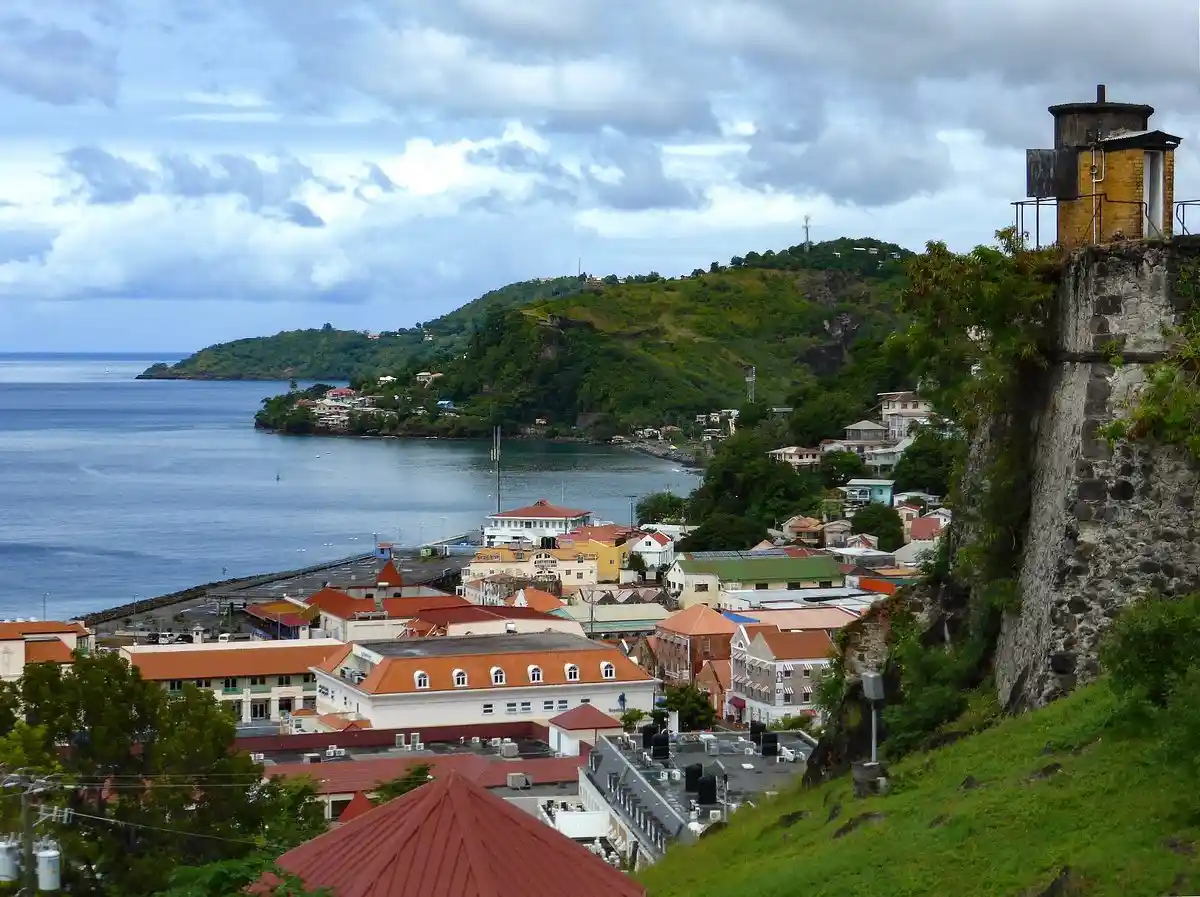
St. George's is one of the prettiest capitals in the Caribbean, with red-tiled roofs and colorful houses tumbling down steep hills to a horseshoe-shaped harbor called the Carenage. Fort George sits on a rocky headland above the harbor, and from the top of its walls you can see the entire sweep of the town. The fort was built by the French in the early 1700s and later taken over by the British.
Walking through the fort, you are walking through layers of Caribbean history. The cannons still point toward the harbor. It is also the site of one of the darkest moments in modern Grenadian history: in October 1983, Prime Minister Maurice Bishop and several colleagues were executed here, days before the US-led intervention. Part of the fort is still used by the police, but visitors can explore much of it.
More to See in St. George's
Walk the Carenage waterfront, visit the Grenada National Museum, and browse the spice market at Market Square, especially on Saturday mornings. For the best view in town, head up to Fort Frederick on Richmond Hill, which looks out over St. George's, the harbor and the south coast.
Go in the late afternoon when it cools down, then stay for dinner on the Carenage as the lights come on. Check the cruise schedule, as St. George's gets much busier on ship days. Wear comfortable shoes; the streets are very steep.
Best for: History buffs, photographers, shoppers, and anyone wanting to understand Grenada's culture and politics.
7. Swim at Grand Anse Beach and Morne Rouge
Grenada's Most Famous Beach and Its Quieter Neighbor
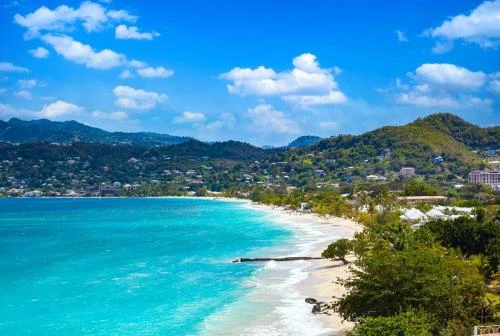
Everyone comes to Grand Anse Beach, and honestly, I understand why. It is a genuinely excellent beach. The sand is soft and white, the water is warm and calm, and it curves for around two miles with views of St. George's in the distance. When I want a comfortable, predictable beach day in Grenada, this is where I go. But the Grand Anse that tourists experience and the Grand Anse that locals enjoy are often two different things.
The central section, in front of the big hotels, has sunbeds, vendors and water sports. Walk toward either end and the crowd thins noticeably. All beaches in Grenada are public, so you are free to lay your towel anywhere. On weekends, local families come down to swim, and the atmosphere is relaxed and friendly. The Grand Anse Craft and Spice Market near the beach is a good place for souvenirs.
Just around the headland, Morne Rouge Beach (also called BBC Beach) is a smaller, sheltered bay with calm water, good for families and quieter than Grand Anse. I always swim in the late afternoon, when the sun is lower and the water has a golden quality to it. Most tour groups have left by then.
You do not need to rent sunbeds. Bring a towel and a book and find a quieter stretch. For food, buy roti or fresh coconut from local vendors, who charge far less than the hotel bars, and your money goes directly to individuals rather than resort companies.
Do not leave valuables unattended on the beach, especially in quieter sections. The sun is also more intense than you think; reapply sunscreen often.
Best for: Beach lovers, swimmers, families, budget travelers, and anyone wanting an easy, beautiful beach day.
8. Eat at Fish Friday in Gouyave
Grenada's Best Weekly Street Party
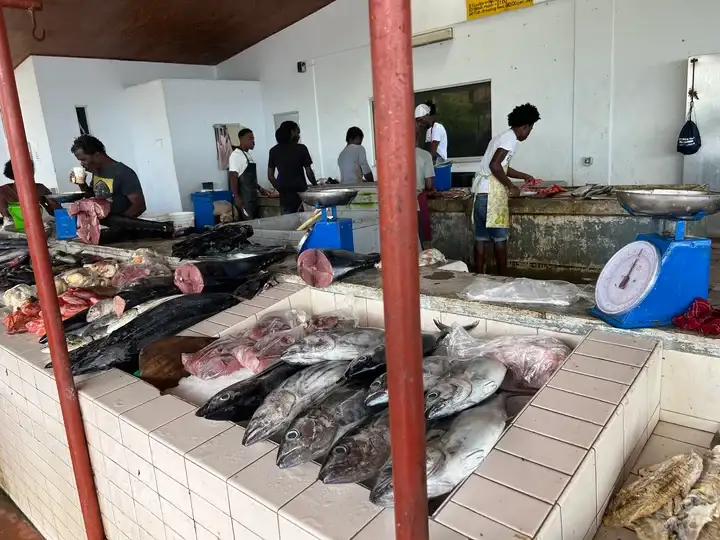
Every Friday evening, the fishing town of Gouyave, known as "the town that never sleeps," turns its streets into a seafood festival. Fish Friday is one of my favorite nights anywhere in the Caribbean. Dozens of stalls grill, fry and stew the day's catch, and the street fills with music, locals and visitors.
The choice is huge: grilled fish, lobster (in season), shrimp, fish cakes, fish broth, and inventive dishes like fish pizza and seafood rolls. Everything is inexpensive, and you can wander from stall to stall sampling as you go. Wash it down with a cold Carib beer or fresh local juice. It is an authentic local event rather than a staged tourist show, with families, fishermen and visitors mixing together.
Arrive early in the evening to try the most dishes before popular stalls sell out. Bring cash in small notes. Combine it with a visit to the nutmeg station and Concord Falls earlier in the day, and arrange a taxi back, as the drive is long and winding in the dark.
Best for: Foodies, budget travelers, groups of friends, and anyone wanting to experience local Grenadian culture.
9. Island Hop to Carriacou and Petite Martinique
Grenada's Sister Islands
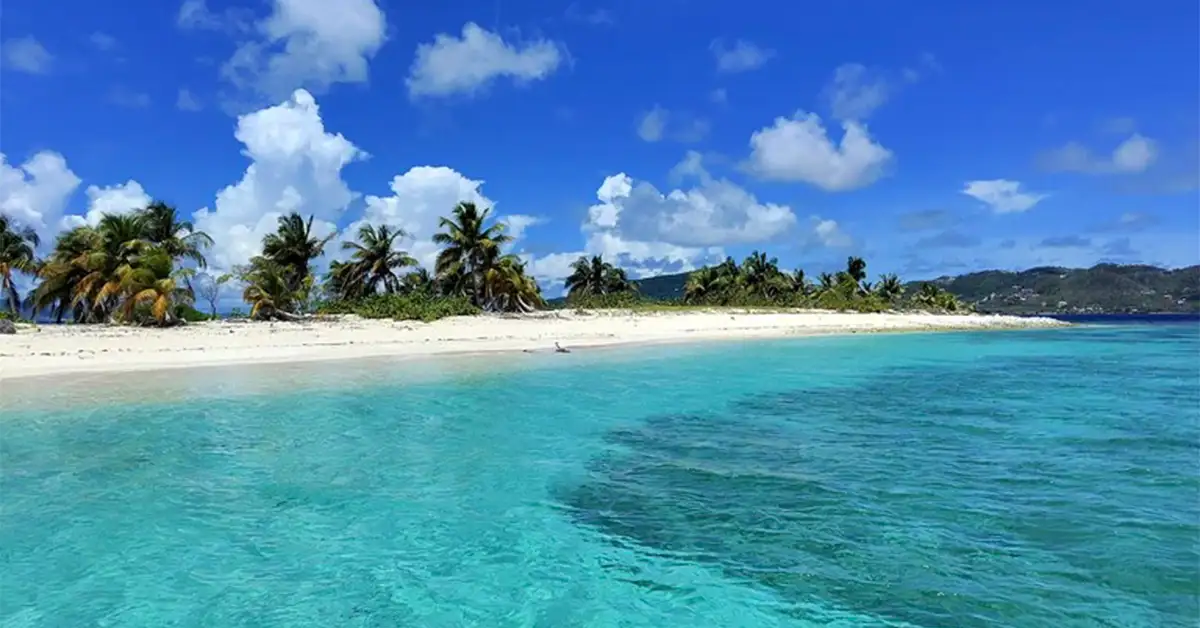
Grenada is actually a nation of three islands, and a trip to Carriacou shows you a completely different pace of life. The island is small, quiet and deeply traditional, with a strong boatbuilding heritage and unique cultural traditions. The ferry from St. George's takes around two hours, and there are also short flights.
The highlight for most visitors is Sandy Island, a tiny sand cay with a few palms, surrounded by reef. Water taxis take you out from the main beaches, and the snorkeling is excellent. Paradise Beach is a long stretch of soft sand with beach bars, and Anse La Roche is a secluded cove reached by a forest walk. The tiny island of Petite Martinique is a short boat ride from Carriacou and is even more remote.
Carriacou was badly hit by Hurricane Beryl in 2024, and the island has been rebuilding. Check what is open and how services are operating before you travel, and know that your visit helps the local economy recover.
Stay at least one night if you can. A day trip is possible, but the long ferry ride leaves limited time on the island. Book your ferry in advance in high season, and take seasickness medication if you need it, as the crossing can be rough.
Best for: Travelers wanting to slow down, snorkelers, couples, and anyone curious about Caribbean culture away from the tourist trail.
10. Dive the Bianca C and Grenada's Reefs
The "Titanic of the Caribbean"
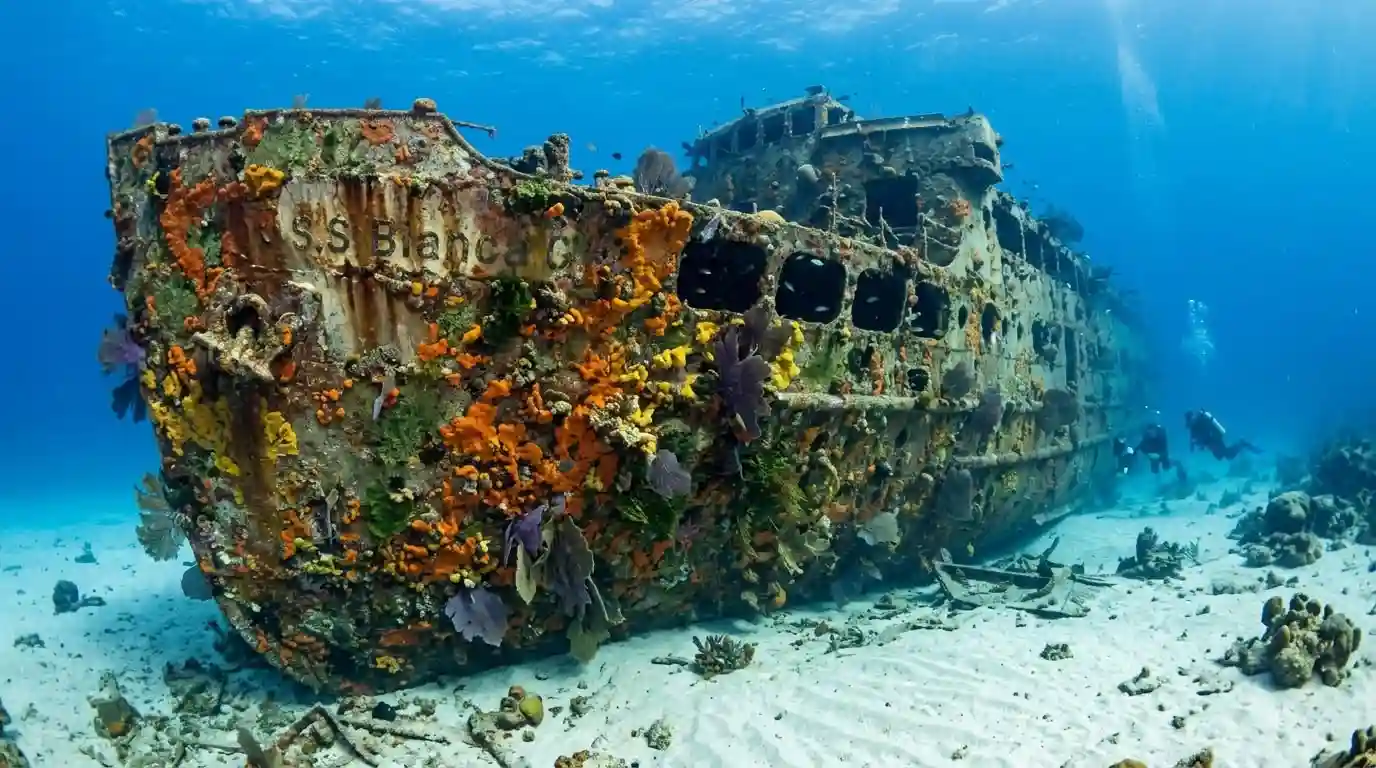
Grenada is often called the wreck-diving capital of the Caribbean, and its most famous dive is the Bianca C, an Italian cruise liner that caught fire in St. George's harbor in 1961 and sank off Grand Anse. It is one of the largest shipwrecks in the Caribbean, and its size is overwhelming as it looms out of the blue. The wreck sits deep and is exposed to currents, so it is for experienced, advanced divers.
If you are not an advanced diver, Grenada has plenty of shallower reefs and smaller wrecks. Flamingo Bay and Dragon Bay, near the sculpture park, are protected areas with healthy reefs, turtles and seahorses. Dive shops around Grand Anse and True Blue run trips and courses for every level.
Do some easier dives before the Bianca C to get used to the local conditions and currents. Choose a dive shop with a good safety record and small groups. Combine a dive at Flamingo Bay with a snorkel at the sculpture park for a great day in the marine protected area.
The Bianca C is deep, with strong currents at times. Only dive it with the right certification and experience, and follow your guide's instructions closely.
Best for: Experienced divers, wreck enthusiasts, and underwater photographers, plus beginner divers on the shallower reefs.
11. Watch Turtles at Levera and Explore the North
Leatherback Turtles and Wild Beaches
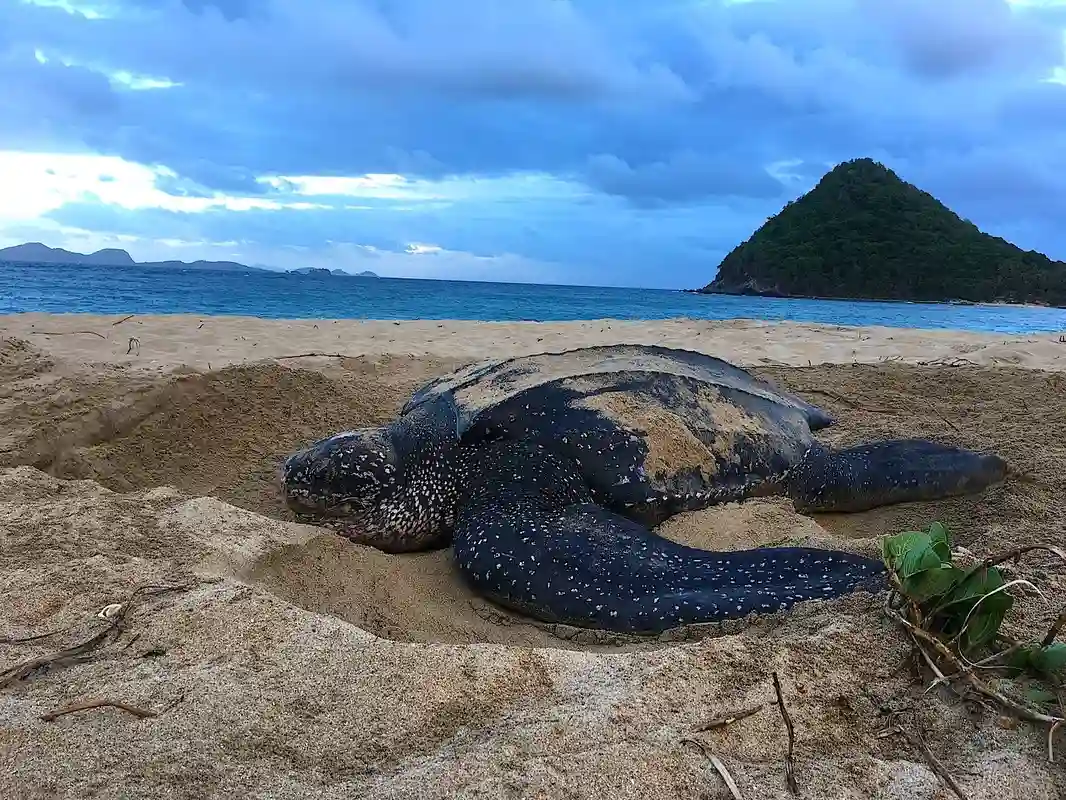
Grenada's north is wild and beautiful, and it is where you can see one of nature's most incredible sights. Between roughly April and July, huge leatherback turtles, the largest turtles on Earth, come ashore at night to nest on Levera Beach. Guided turtle-watching tours, run in partnership with local conservation groups, let you watch them lay their eggs without disturbing them. Later in the season, you may see hatchlings making their way to the sea.
During the day, Levera National Park protects beaches, mangroves and a lagoon, with views out to Sugar Loaf Island and the Grenadines. Bathway Beach, nearby, has a natural reef that creates a calm swimming area along a wild coastline. On the way north, stop at Lake Antoine, another crater lake, and the fishing town of Sauteurs, where the dramatic cliff known as Leapers Hill marks an important site in the island's Indigenous history.
Only watch nesting turtles with an organized, licensed guide. Do not use flash photography or flashlights, which disorient turtles. Book in advance during nesting season, and combine the evening tour with a day at Belmont Estate and River Antoine.
Levera Beach itself has strong currents and is not safe for swimming. Swim only in protected areas like Bathway, and only when conditions are calm.
Best for: Wildlife lovers, families with older children, photographers, and anyone wanting to explore Grenada's quieter north.
12. Run or Walk With the Grenada Hash
"A Drinking Club With a Running Problem"
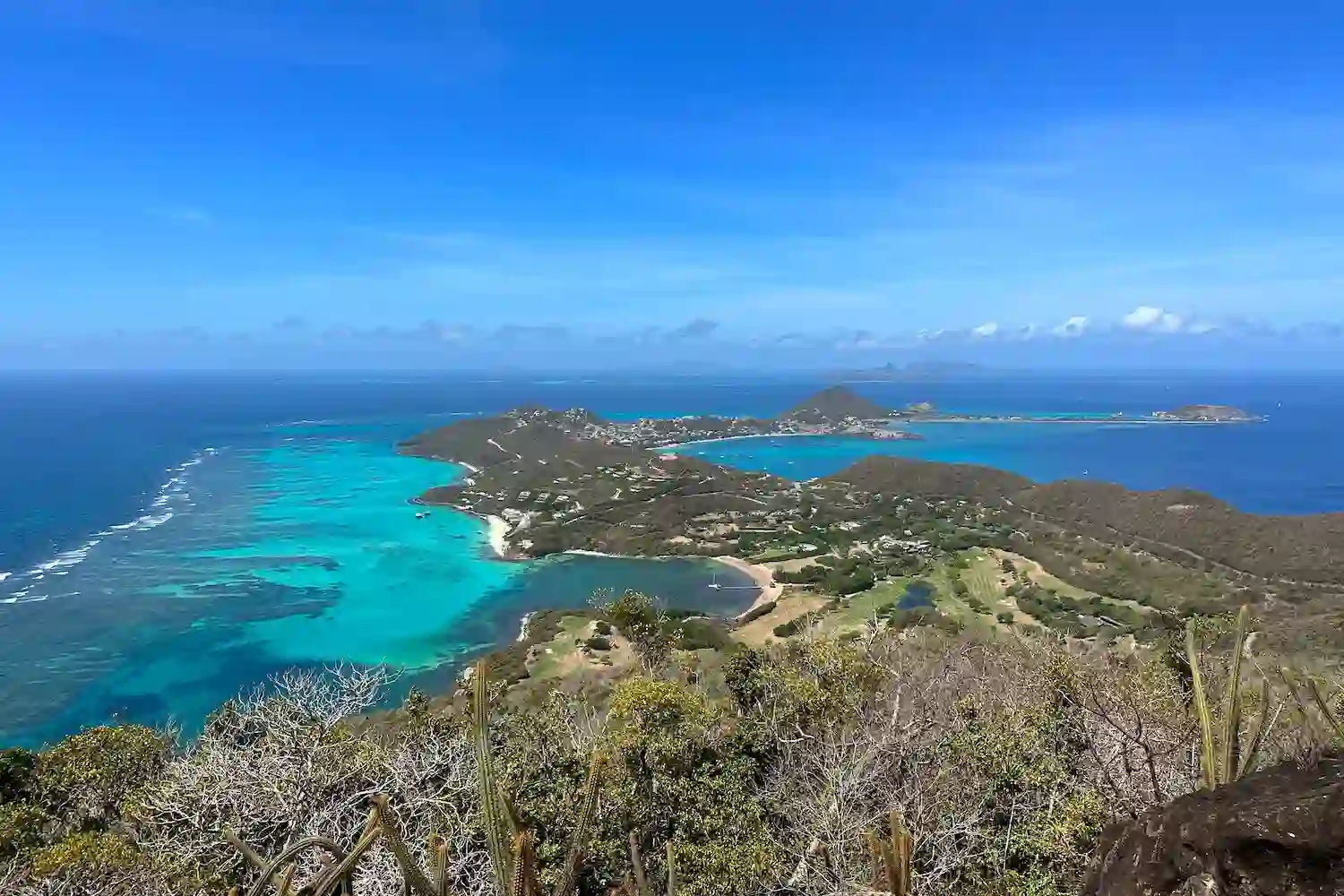
The Grenada Hash House Harriers is one of the island's most famous social traditions. Most Saturday afternoons, a group of locals, expats and visitors meets at a different location to follow a trail marked with paper or flour through forests, plantations, rivers and villages. You can run, jog or walk, and there are usually different routes for different fitness levels.
The Hash describes itself as "a drinking club with a running problem," and the gathering afterward, with food, drinks and music, is as much a part of the experience as the trail. It is one of the best ways to meet people and explore corners of the island you would never find alone.
Check the Hash's social media or ask at your hotel for the weekly location and start time. Wear old shoes you do not mind getting muddy, bring water, and expect to get wet. Visitors are always welcome.
Best for: Active travelers, solo travelers, social butterflies, and anyone wanting to meet locals and see the real Grenada.
13. Eat Your Way Through Grenadian Food
Oil Down, Roti and Spice-Filled Everything
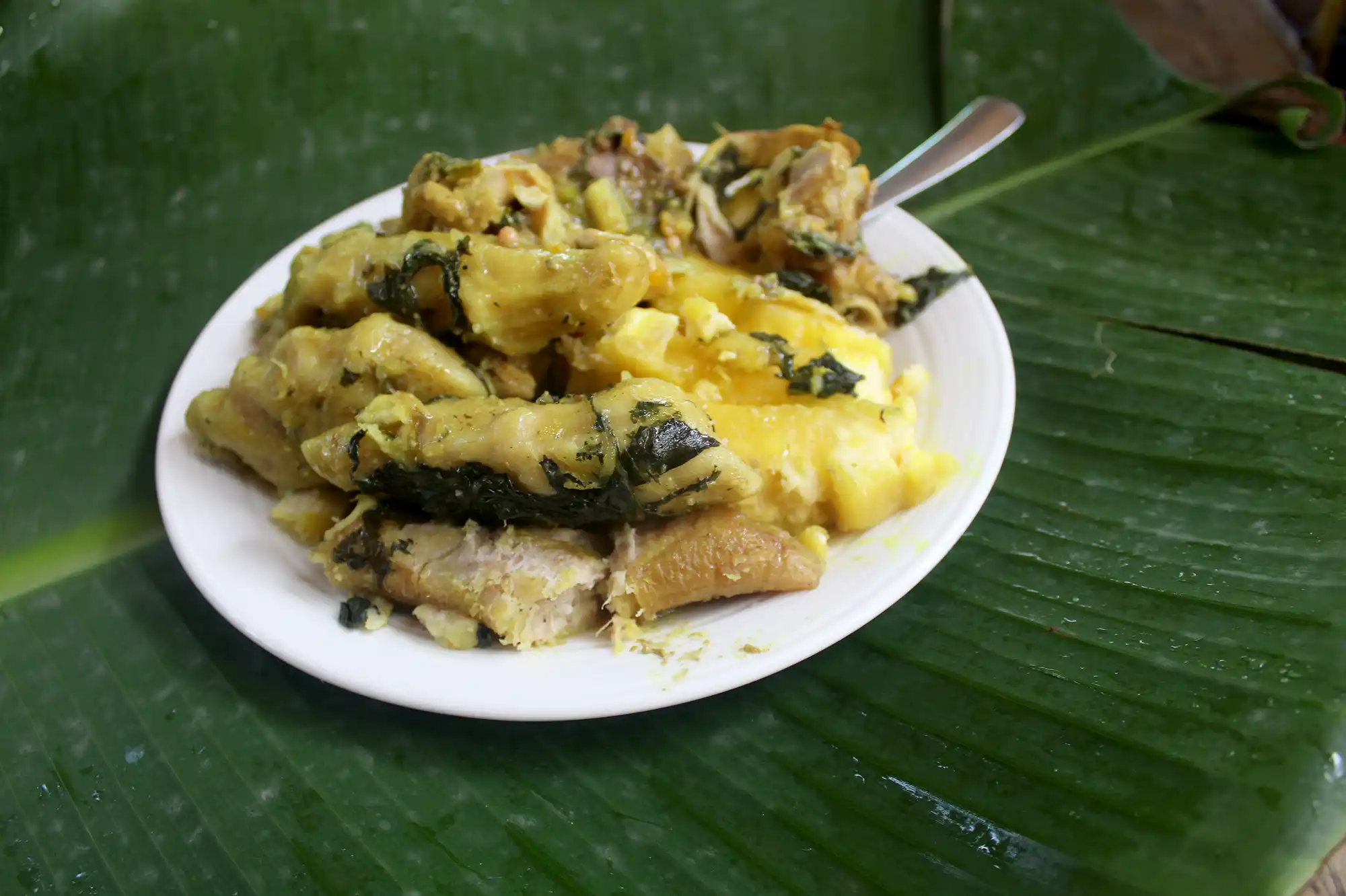
You cannot understand Grenada without eating its food. The national dish is oil down, a hearty one-pot meal of breadfruit, salted meat, dumplings, callaloo and vegetables, slowly cooked in coconut milk and turmeric until the liquid is absorbed and the "oil" rises. It is often cooked in a big pot over an open fire for gatherings, and being invited to an oil down is a real honor.
Beyond oil down, look for roti filled with curried chicken or vegetables, callaloo soup, fresh fish, and nutmeg ice cream. Try local juices such as sorrel, soursop and passion fruit, and of course the island's rums. Spices appear in almost everything, and street food stalls and small local restaurants are where you will find the best flavors.
Ask a local guide or your guesthouse about joining an oil down cook-up or taking a cooking class. Some tour operators and small restaurants offer this. Buy spices, chocolate and hot sauces as souvenirs; they are among the best in the Caribbean.
Best for: Foodies, adventurous eaters, culture lovers, and anyone wanting to connect with Grenadian life.
More Things To Do If You Have Time
These did not make my top thirteen, but each is worth adding if it fits your trip.
Spicemas
Grenada's carnival in August, famous for J'ouvert and the "Jab Jab" masqueraders covered in oil.
Sunset Catamaran Cruise
Sail along the west coast at sunset, often with a swim stop and drinks included.
Hog Island
A small island off the south coast, popular with sailors, with a casual beach bar and calm water.
La Sagesse
A quiet bay on the southeast coast, with a small beach, a nature reserve and a relaxed restaurant.
Pearls Airport
An old abandoned airstrip on the east coast with the remains of old aircraft, an unusual photo stop.
Chocolate Festival
A celebration of Grenada's cocoa, with farm visits, tastings and chocolate-themed events.
Best Time to Visit for Each Activity
Grenada is warm year-round, but the seasons change the weather, sea conditions and events.
| Season | Months | Conditions | Best For |
|---|---|---|---|
| Dry season | January to May | Sunny, breezy, less rain | Hiking, beaches, sailing; book early |
| Turtle season | April to July | Warm, rains begin later | Leatherback turtle watching at Levera |
| Carnival season | August | Hot, humid, showers | Spicemas, local culture |
| Wet season | June to November | Rain, hurricane risk | Lush waterfalls, lower prices |
| Holiday season | December | Drying out, busy | Festive atmosphere, sailing |
My Practical Tips for Doing Grenada Right
- 1Hire a driver-guide for at least one day. The roads are steep, winding and on the left. A local driver can combine the north, interior and west coast in one day while telling you the stories behind each place.
- 2Use the local buses. Minibuses are cheap, frequent and a fun way to travel around the south and west coasts.
- 3Plan your days by region. The north, the interior and the south are best explored on separate days, as travel times are longer than they look on a map.
- 4Carry cash. Waterfalls, food stalls, markets and small businesses often only take cash.
- 5Pack for rain and mud. Bring shoes with grip and a light rain jacket for the interior, even in the dry season.
- 6Buy local. Spices, chocolate, rum and crafts make great souvenirs and support local businesses.
Common Questions About Things To Do in Grenada
The questions I get asked most often, answered honestly from personal experience.
What I Would Actually Prioritise
If you only have time for three things in Grenada, I would send you to the Underwater Sculpture Park, a spice or chocolate estate tour, and the Grand Etang rainforest. Those three experiences together capture everything that makes this island different from the rest of the Caribbean.
Everything else on this list is genuinely worth doing if you have the time, but those three are the ones I recommend without hesitation to every single person who asks me about Grenada. And if you are there on a Friday, do not miss Gouyave.
Explore Grenada