
13 Best Things To Do in Aruba
Everything Worth Your Time on This Island
My honest guide to the best things to do in Aruba. From Eagle Beach to Arikok National Park, shipwrecks to fish shacks. Real recommendations after multiple visits, not a generic list.
Things To Do in Aruba The Honest Insider Guide
I have been to Aruba more times than I can count, and I keep coming back because this island has something magical that other Caribbean destinations simply cannot replicate. When most people think of Aruba, they imagine endless beaches and duty-free shopping, but the real magic happens when you venture beyond the obvious tourist path. I have spent weeks exploring every corner of this island, from the windswept northern coast to the hidden coves of the south, and I am genuinely excited to share what I have discovered with you.
Aruba is not your typical Caribbean island, and that is exactly why it deserves your attention. Instead of rainforest, you get a dry, cactus-dotted desert landscape, giant boulder formations, and a rugged Atlantic-facing coastline that feels a world away from the resort strip. The things to do in Aruba range from world-class water sports to cultural experiences that most tourists completely miss. Whether you are seeking pure relaxation or looking for your next thrill, I have personally tested every major attraction and activity on this island, and I am here to give you the unfiltered truth about what is worth your time and money.
The Quick Answer: The best things to do in Aruba are a morning at Eagle Beach, exploring Arikok National Park and the Natural Pool, snorkeling or diving the Antilla shipwreck, kiteboarding or windsurfing at Fisherman's Huts, a lagoon day at Baby Beach, eating fresh fish at Zeerovers, wandering the street art of San Nicolas, and watching the sunset from the California Lighthouse. The island is compact enough to do multiple activities in one day, and the weather is consistently dry and sunny. Skip the overcrowded party boats and focus on smaller operators, shore snorkeling, and the northeastern coast where the crowds thin out dramatically.
Aruba sits south of the main hurricane path, so direct hits are rare and the weather is dry and consistent year-round. I like visiting in the shoulder months of May or September, when prices drop noticeably but the weather stays beautiful. Always keep an eye on forecasts during hurricane season, but this is one of the most reliable islands in the Caribbean.
Aruba at a Glance
1. Eagle Beach and the Western Shoreline
Eagle Beach: The Goldilocks of Aruba Beaches
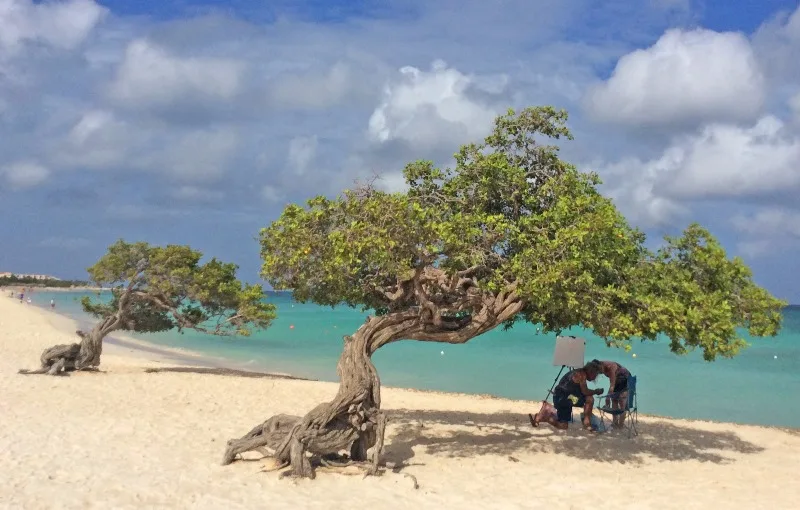
Eagle Beach is where I take first-time visitors because it hits the perfect balance. It is not as crowded as Palm Beach, but it is far more developed and has better infrastructure than the remote northern beaches. I have spent countless afternoons here, and I genuinely think this is one of the best beaches in the entire Caribbean. The sand is powder soft and remarkably wide, the water temperature stays around 80 degrees year-round, and the sunset here is spectacular enough to make you forget about Instagram for a while.
What makes Eagle Beach special is not just the beach itself, but the entire experience. When I arrive early, around 7 AM, I have practically the entire shoreline to myself for the first couple of hours. The low-rise resorts sit across the road rather than directly on the sand, so you do not feel like you are trapped in a tourist bubble. I have swum here hundreds of times, and the water is consistently clear with gentle waves perfect for casual swimmers.
How Eagle Beach Compares to Palm Beach
People always ask me which one to choose. Palm Beach, a short drive north, is lined with high-rise resorts, beach bars, water sports vendors and piers. It is lively, social and convenient, but it gets busy and the sand is narrower. Eagle Beach is quieter, wider and more natural, with public palapas scattered along the sand on a first-come, first-served basis. If you want energy, pick Palm Beach. If you want space and a proper beach day, pick Eagle Beach. Between April and November, sea turtles nest here too, so you may see marked nesting areas; give them plenty of room.
The best time to visit Eagle Beach is between 7 and 9 AM, before the crowds arrive. I also park near Manchebo Beach (just south) and walk north along the shoreline. This gives me access to quieter sections without the busier central area. The morning light is incredible for photography, and it is also the best time to claim a free public palapa for shade.
Best for: First-time visitors, families with young children, couples seeking romantic sunsets, and anyone wanting that classic Caribbean beach experience without total isolation.
2. Ostrich Farm Adventures
The Ostrich Farm: Aruba's Weirdest and Most Fun Activity
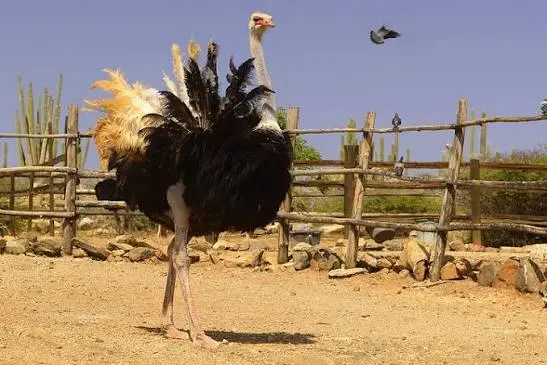
I was skeptical when I first heard about the ostrich farm. I thought it sounded like a gimmick. Then I actually went, and I have been back five times since because it is genuinely one of the most entertaining activities on the island. The Ostrich Farm sits in the arid interior of Aruba, surrounded by massive birds that are far more personable than you would expect. I have fed ostriches and emus here, and the experience is pure joy. Watching an ostrich peck grain from a bowl in your hands is equal parts hilarious and slightly terrifying.
The visit is built around a guided tour that runs throughout the day. Your guide explains how ostriches live, how fast they run, how they lay and incubate their enormous eggs, and why they behave the way they do. Then comes the feeding, which is the part everyone remembers. The farm also has a restaurant and gift shop, and the African-style buildings feel surprisingly at home in Aruba's dry landscape.
The farm is near the eastern edge of the island's interior, which makes it an easy stop on a day exploring the rock formations at Ayo and Casibari or the Bushiribana gold mill ruins on the north coast. The landscape on the way is dramatically different from the beaches, rocky and sparse, with cacti, divi-divi trees and sweeping views of the coast.
Take one of the first tours of the day when the birds are hungriest and the heat is manageable. Hold the feeding bowl firmly with both hands and keep it low; ostriches peck hard and fast. Pair it with the Ayo Rock Formation and the Bushiribana ruins, which are both close by, for an easy half-day loop.
Best for: Families with kids, animal lovers, anyone wanting to see the non-beach side of Aruba, and travelers who need a fun half-day activity.
3. Windsurfing and Water Sports
Windsurfing at Fisherman's Huts: Where Aruba Shines
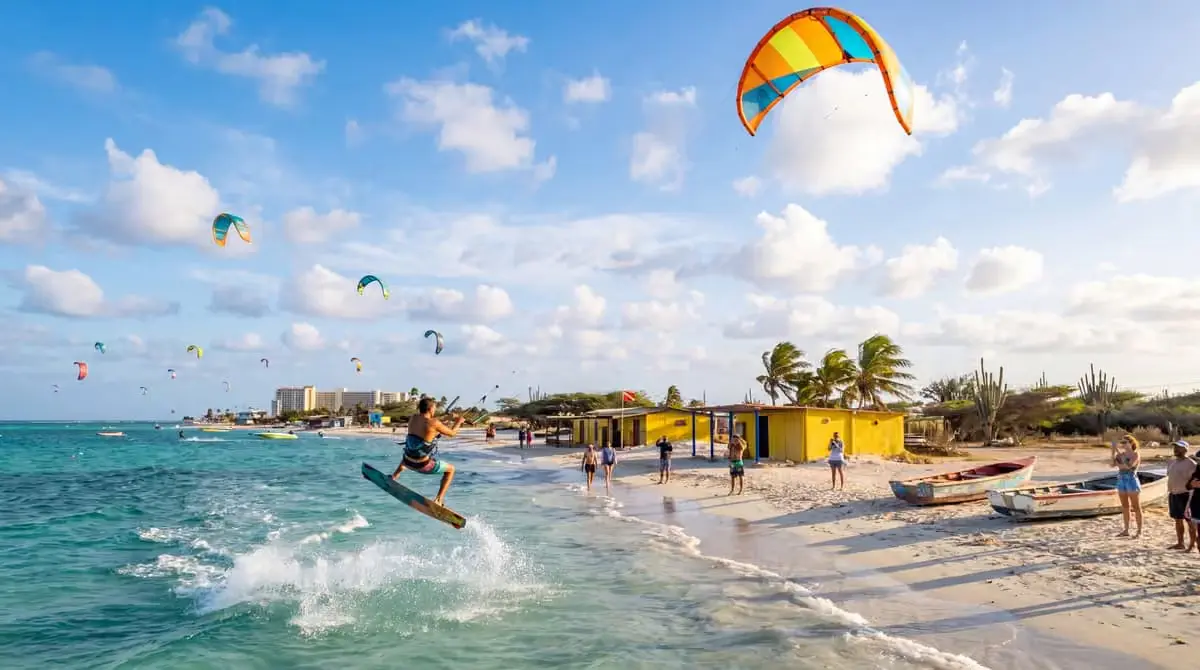
If you are even remotely interested in windsurfing, kiteboarding, or wing foiling, Aruba is genuinely one of the world's best destinations for these sports. I have tried windsurfing in multiple Caribbean locations, and the conditions here are consistently exceptional. Fisherman's Huts Beach, also known as Hadicurari, on the island's northwestern coast between Palm Beach and Malmok, has become my favorite spot on the island. The wind is reliable, the water is warm and flat, and the local operators are professional without being pretentious.
I took my first kiteboarding lesson in Aruba, and I immediately understood why this island has such a reputation among serious water sports enthusiasts. The trade winds blow steadily from the east most of the year, so you can actually count on conditions rather than crossing your fingers. Because the wind blows side-onshore at Fisherman's Huts and the water is shallow, it is a forgiving place to learn. Even if you have never tried these activities before, the instructors here are patient and genuinely skilled at teaching beginners.
The beauty of Aruba's water sports is that you do not need to commit to a full day. I have done two-hour lessons that left me exhausted and exhilarated. Some people spend entire weeks here training with professional instructors. If wind sports are not your thing, the calmer beaches offer stand-up paddleboarding, kayaking, jet skiing, parasailing and glass-bottom kayaks, most of them easy to book right on Palm Beach.
Skip the generic vendors on the main strip for wind sports and go to the schools based right at Fisherman's Huts and Malmok. They often offer better rates and more personalized attention. Mornings are usually the most manageable for beginners, while the stronger afternoon wind suits experienced riders. The windiest months are roughly May through August.
Best for: Active travelers, watersports enthusiasts from beginner to advanced, anyone wanting to learn a new skill in near-perfect conditions, and adrenaline seekers.
4. Snorkeling and Shipwreck Exploration
Shore Snorkeling at Malmok and the Antilla Wreck
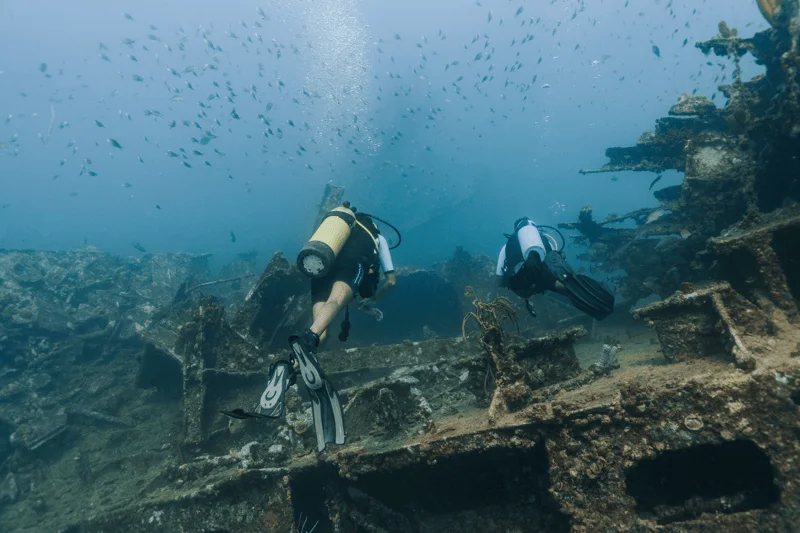
Most visitors book expensive boat tours to snorkel, but some of my best snorkeling here has been straight from shore. Malmok Beach on the northwestern coast offers exceptional snorkeling right off the rocks. When I wade into the water, I am immediately surrounded by fish, coral formations, and the occasional sea turtle. On calm days the visibility is outstanding, and I can snorkel for hours without paying a single dollar for a boat.
The real treasure of this coastline is its shipwrecks. The Pedernales, an oil tanker torpedoed in World War II, lies in shallow water off Malmok and is easy for snorkelers to explore. Further out, the Antilla, a German cargo ship scuttled in 1940, is one of the largest shipwrecks in the Caribbean. Its hull rests in roughly 60 feet of water, but parts of it rise close enough to the surface to see clearly with a mask. Most snorkel boats stop here, and for certified divers it is one of the best wreck dives in the region.
My Favorite Shore Snorkel Spots
Boca Catalina and Tres Trapi have calm water and plenty of fish close to shore; Tres Trapi is also known for starfish in the shallows. Arashi Beach near the lighthouse is great for beginners. On the south coast, Mangel Halto has mangroves and a reef drop-off that feels like a different world. Bring your own gear if you can, because rentals add up across a week.
Malmok and Boca Catalina have minimal facilities and small parking areas that fill by mid-morning, so arrive early. Wear water shoes to get in over the rocks. If you want to see the Antilla, choose a small-group snorkel sail that goes in the morning, before the bigger boats arrive, and ask whether they also stop at Boca Catalina.
Never touch or stand on the coral, and use reef-safe sunscreen. Boat traffic is heavy around the popular sites, so stay close to shore when snorkeling independently and consider a brightly colored snorkel buoy.
Best for: Budget-conscious travelers, snorkelers of all levels, scuba divers, underwater photographers, and anyone wanting to explore without an organized tour.
5. The Natural Pool and Remote Northern Coast
Conchi: Aruba's Most Dramatic Natural Attraction
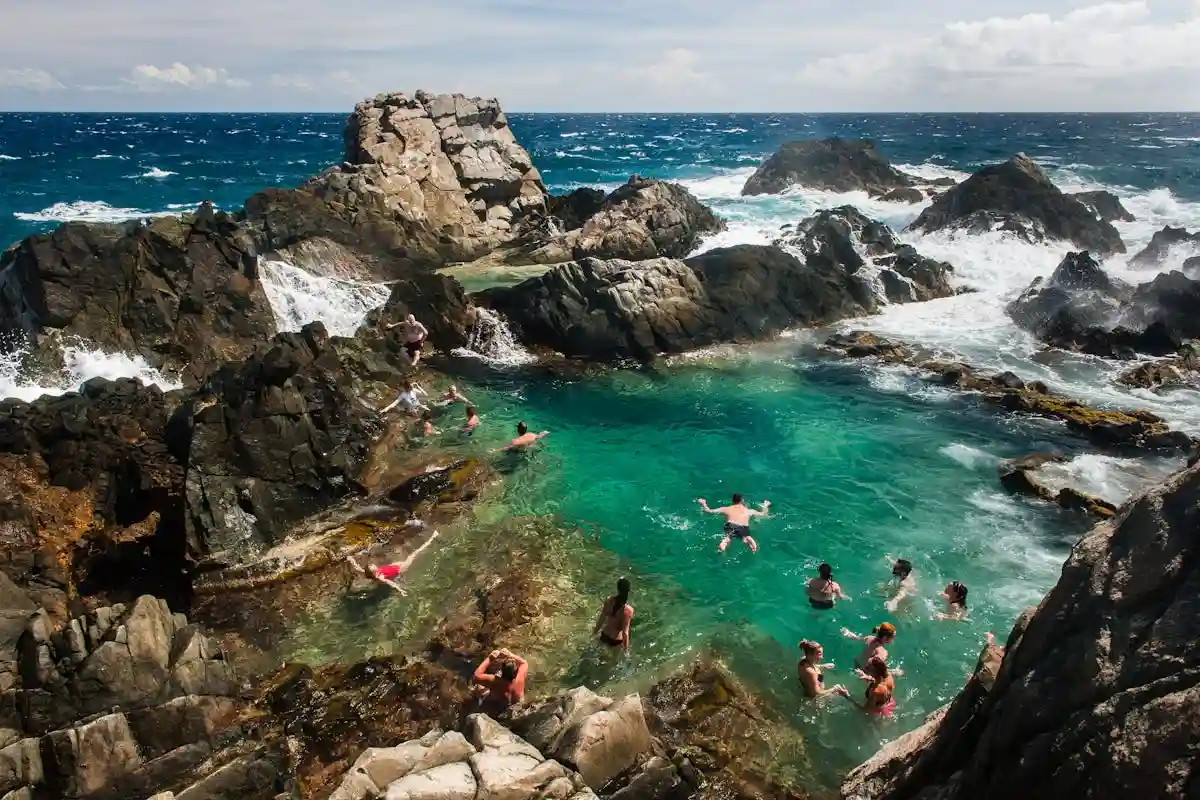
The Natural Pool, locally called Conchi, sits on Aruba's remote northeastern coast inside Arikok National Park and is genuinely one of the most spectacular things to do in Aruba. I have been here many times, and every visit feels like discovering it for the first time. This is a natural saltwater pool enclosed by volcanic rock, with the open Atlantic crashing against the outer wall. When I jump into the crystal-clear water and a wave sprays over the rocks, I feel like I have entered another world.
Getting to the Natural Pool is an adventure in itself. The drive takes you through Aruba's desert interior, past enormous boulders and cacti that look like another planet. The last stretch is a rough, rocky track, which is why you need a proper four-wheel-drive vehicle. From the parking area there is a short but steep walk down to the pool. Once you arrive, the reward is one of the most beautiful natural formations in the Caribbean.
Ways to Get There
You can drive yourself in a rented 4x4, join a jeep safari, take a UTV or ATV tour, or go on horseback with one of the ranches that ride to the coast. Jeep tours are the easiest option for most people because the guide handles the driving and usually adds stops at the Bushiribana ruins and the rugged north coast. The pool is inside the national park, so you will pay the park entry fee at the visitor center.
The Natural Pool is stunning, but it can be dangerous when the swell is big. I have seen people knocked over by sudden large waves. Rangers sometimes close the pool in rough conditions, so check before you go. Do not attempt the track in a regular rental car; many rental contracts forbid off-road driving, and you can easily damage the vehicle.
Arrive as soon as the park opens to have the pool almost entirely to yourself. By mid-morning, tour groups start arriving and the vibe changes completely. Bring plenty of water, water shoes for the slippery rocks, and a waterproof phone case, because the photos here are irreplaceable.
Best for: Adventure seekers, photographers, confident swimmers comfortable in natural settings, and travelers with a 4x4 or a place on a jeep tour.
6. Hike and Explore Arikok National Park
Arikok: Aruba's Wild Side
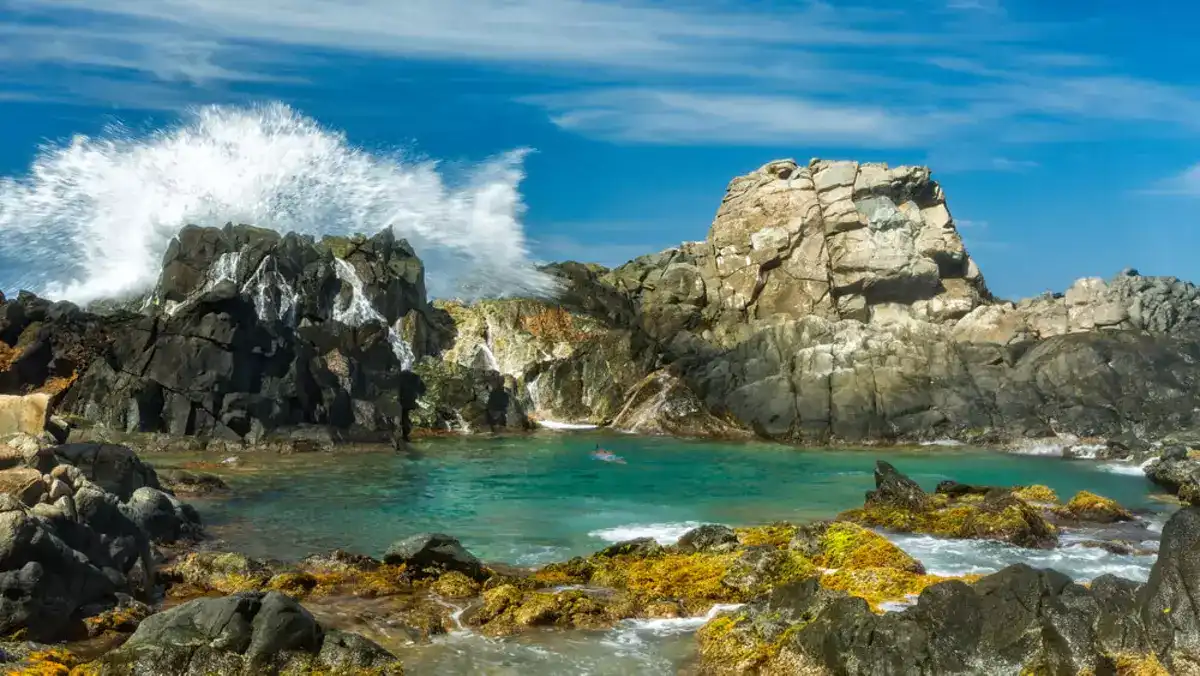
Arikok National Park is where Aruba stops looking like a resort island. It covers a large part of the island's eastern side, protecting cactus-covered hills, limestone cliffs, sand dunes, caves and a stretch of wild Atlantic coastline. I have spent entire days here and still find new trails. The Natural Pool is the headline attraction, but the park has much more to offer if you give it time.
The caves are a highlight. Fontein Cave has ancient Amerindian drawings on its walls, a reminder that people lived on Aruba long before Europeans arrived. Quadirikiri Cave has chambers lit by sunlight streaming through holes in the ceiling, which makes for magical photos in the late morning. On the coast, Dos Playa and Boca Prins have dramatic sand dunes and crashing waves that are beautiful to look at but not safe for swimming.
Hiking in Arikok
The park has a network of marked trails, from easy walks to steeper climbs. The trail up Jamanota, Aruba's highest point, gives you views across much of the island. The rangers at the visitor center can recommend routes based on your fitness and how much time you have. Hiking here is hot and exposed, so start early and carry more water than you think you need.
Stop at the visitor center first, pay the entry fee, and pick up a trail map. Visit Quadirikiri Cave in the late morning when the light beams through the ceiling holes, and save the coastal viewpoints for later. Look out for the park's wild goats, lizards and the rare Aruban burrowing owl.
There is almost no shade on the trails, and the midday sun is brutal. Do not swim at Dos Playa or Boca Prins; the currents and surf are dangerous.
Best for: Hikers, nature lovers, history buffs, photographers, and anyone who wants to see Aruba's rugged desert landscapes.
7. Spend a Day at Baby Beach
Baby Beach: Aruba's Calmest Lagoon
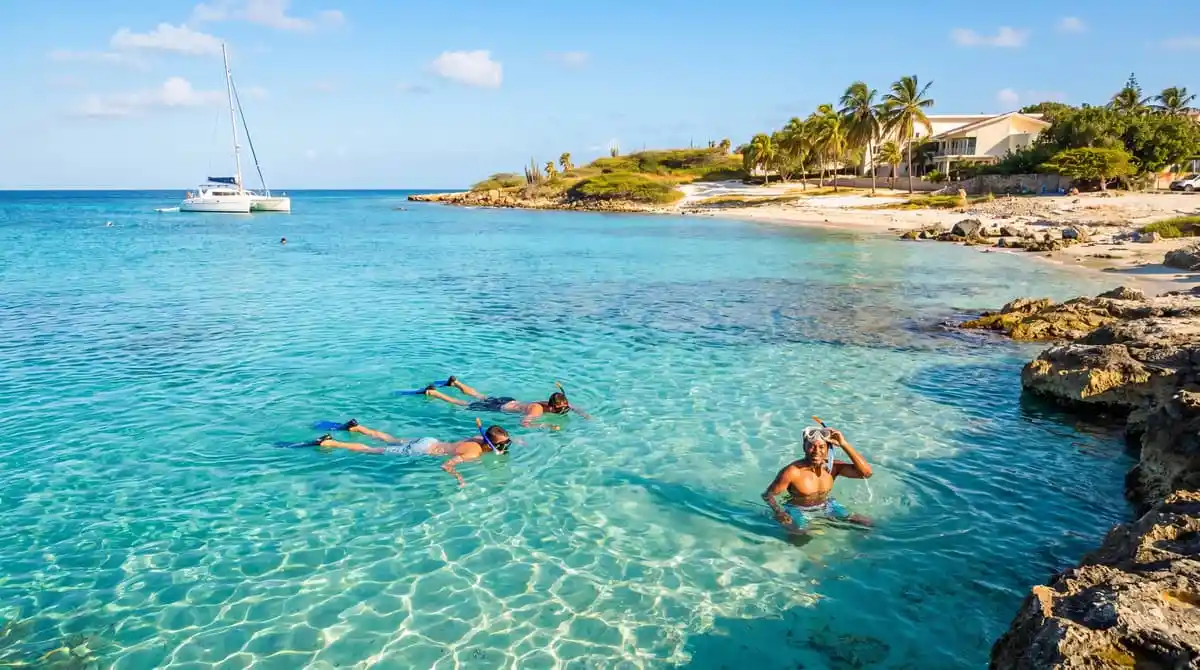
Baby Beach sits on the far southeastern tip of Aruba, and it is one of my favorite full-day escapes from the resort area. The beach wraps around a shallow, sheltered lagoon with water so calm and clear that it looks like a swimming pool. You can walk a long way out with the water barely reaching your waist, which is why it is so popular with families.
The lagoon is also good for easy snorkeling, especially along the rocks near the breakwater, where you will see tropical fish and sometimes a turtle. There are beach bars and rentals for loungers, umbrellas and snorkel gear, so it is easy to spend the whole day here. Nearby Rodgers Beach is quieter and makes a pleasant walk.
The drive from Palm Beach takes about 40 minutes, and it passes through Savaneta and San Nicolas, so I often combine Baby Beach with lunch at Zeerovers and a walk through the San Nicolas murals. That route makes for one of the best full days you can have on the island.
Arrive early on weekends, when local families come down and the beach fills up. Bring or rent shade, because the sun is strong and palapas go fast. For a quieter spot, head to the far end of the lagoon, away from the main bar.
Stay inside the lagoon. Beyond the breakwater the current is strong and has caught swimmers out. Signs mark the danger zone, and you should take them seriously.
Best for: Families with young children, nervous swimmers, beginner snorkelers, and anyone wanting a relaxed full-day beach trip away from Palm Beach.
8. Eat Fresh Fish at Zeerovers
Zeerovers: Aruba's Best Local Lunch
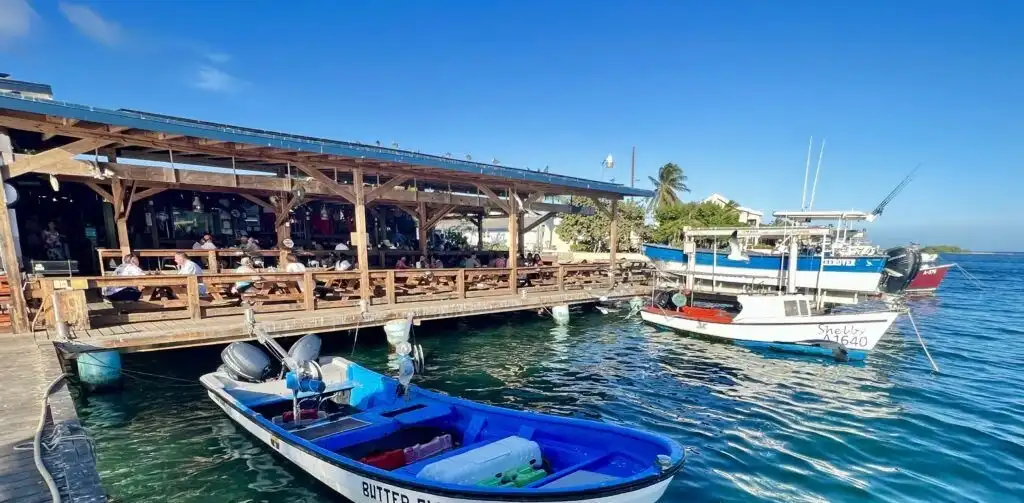
If I could only eat one meal in Aruba, it would be at Zeerovers. This waterfront fish shack in the village of Savaneta sits on a working fishing dock, and the fish you eat was often swimming that same morning. There is no fancy menu. You walk up to the counter, choose from the catch of the day and the fresh shrimp, and it is sold by weight, fried whole, and served with sides like pan bati (a local pancake-style bread), fries and plantains.
The atmosphere is what makes it. Locals and visitors sit side by side at picnic tables on a deck over the water, fishing boats come and go, and on weekends there is often live music. It is loud, casual and genuinely Aruban, and it costs a fraction of what you would pay at a resort restaurant.
Savaneta itself is worth a short look. It was once the island's capital and is one of its oldest settlements, and it is also where you will find Mangel Halto, one of the best snorkeling spots on the south coast, just a few minutes away.
Bring cash, as Zeerovers has traditionally been cash-only, and arrive before the lunchtime rush or you may wait in a long line. Ask the counter staff which fish is best that day; they will steer you well. Check opening days before you go, as the kitchen does not open every day.
Best for: Foodies, budget travelers, anyone wanting an authentic local experience, and people doing a south-coast day trip.
9. Explore the Street Art of San Nicolas
San Nicolas: Aruba's Open-Air Art Gallery
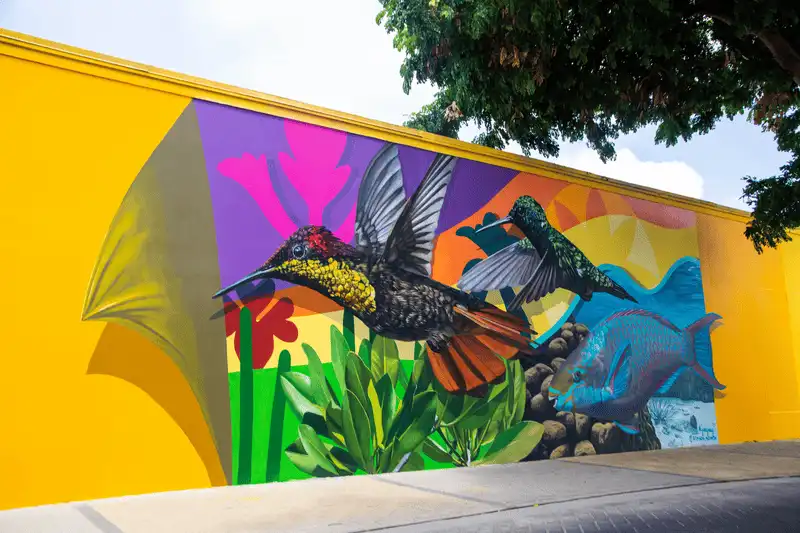
San Nicolas, Aruba's second town, was built around the oil refinery that once dominated the island's economy. When the refinery's fortunes declined, the town went quiet. Then artists arrived. Through the Aruba Art Fair and other community projects, dozens of walls were covered in murals by local and international artists, and today the town is one of the most colorful places in the Caribbean.
Walking the streets is like strolling through an open-air gallery. You will see huge portraits, abstract designs, tributes to Aruban culture and heritage, and playful pieces tucked into alleyways. San Nicolas is also known for its lively Carnival traditions and multicultural history, shaped by workers who came from across the Caribbean to work at the refinery.
Stop at Charlie's Bar, a local institution that has been serving drinks for decades and is packed with memorabilia left by visitors. The community museum in town tells the story of the refinery era and the people who built San Nicolas, and it adds real depth to the murals you see outside.
Go in the morning when the light is soft and the streets are cool, and consider a guided mural walk with a local who can tell you the story behind the art. Many of the best pieces are off the main street, so wander. San Nicolas pairs perfectly with Zeerovers and Baby Beach in one day.
Best for: Art lovers, photographers, culture seekers, and travelers wanting to see a less touristy side of Aruba.
10. Butterfly Farm
The Butterfly Farm: A Peaceful Escape from Beach Culture
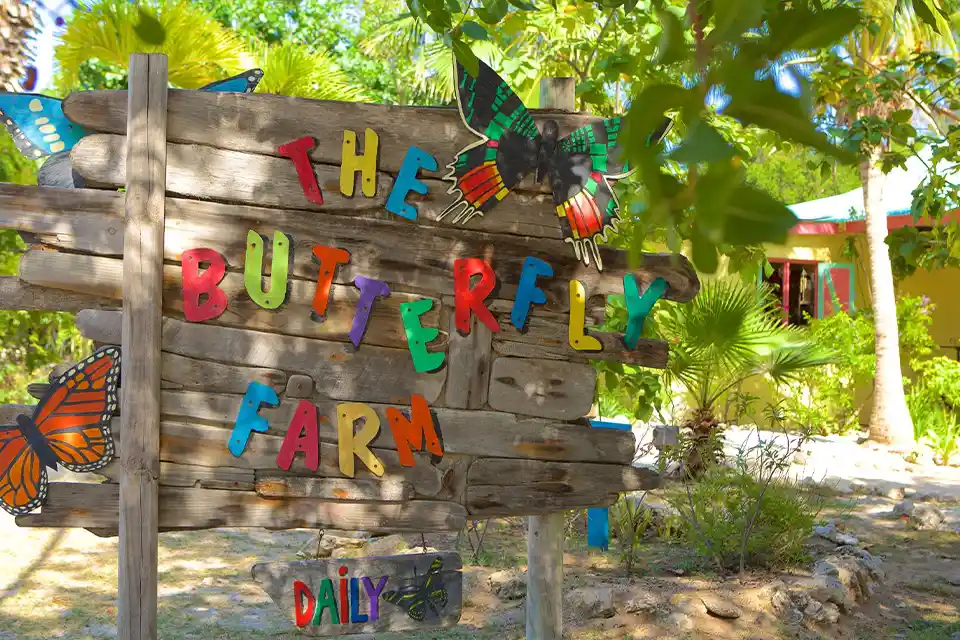
I visit the Butterfly Farm whenever I need a break from the beach and want something low-key and meditative. This enclosed tropical garden houses hundreds of butterflies from around the world, flying freely among flowering plants and small ponds. I have spent hours here just watching these creatures, and somehow it is deeply calming. Butterflies will often land right on you, especially if you wear bright colors.
What makes this attraction special is the educational component without it feeling like a school field trip. Guides walk you through the butterfly life cycle, and you can see caterpillars feeding and chrysalises hanging in the nursery, sometimes with butterflies emerging in front of you. The staff are passionate and happy to answer questions. A visit takes around 45 minutes to an hour, making it a good midday activity when the beach heat is most intense.
The Butterfly Farm is in the Palm Beach area, close to the high-rise hotels, so it is easy to fit in between beach sessions. Go early in the morning, when butterflies are most active and new ones emerge from their chrysalises. Ask about re-entry when you buy your ticket, as it has traditionally allowed return visits during your stay.
Best for: Photographers, nature enthusiasts, families with young children, and anyone wanting a peaceful break from beach crowds.
11. The Divi and Fofoti Trees
Aruba's Most Photographed Trees
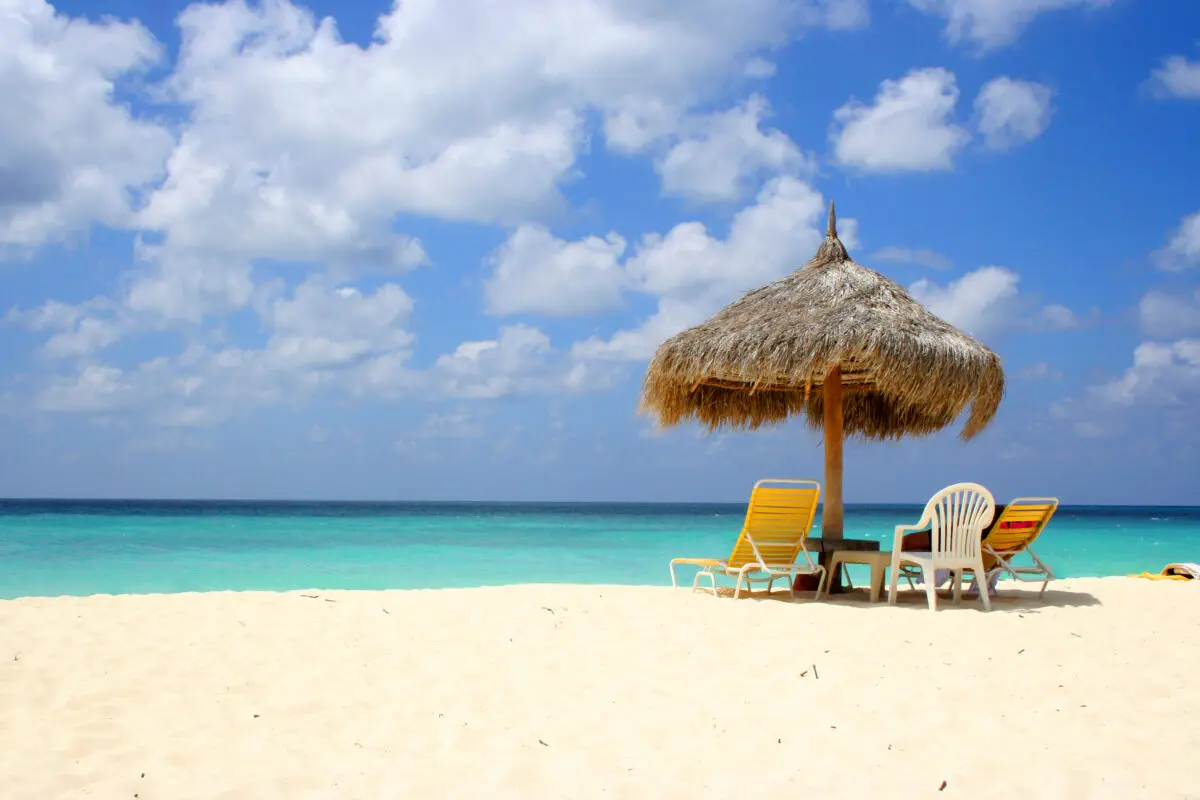
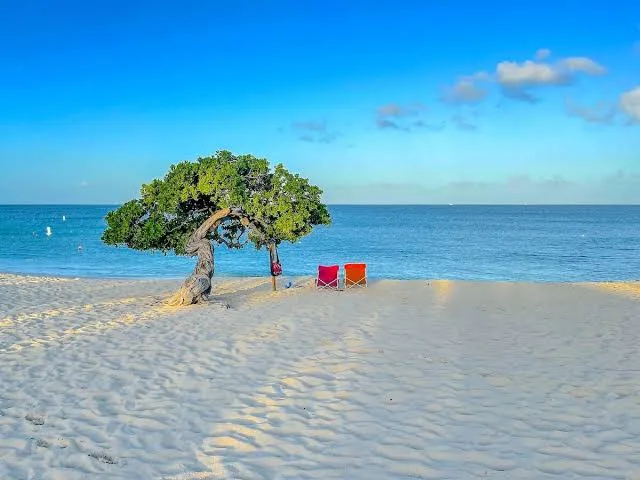
The windswept trees on Eagle Beach are some of the most photographed sights in the Caribbean, and they appear on countless postcards. Here is something most visitors do not know: the iconic trees on the beach are actually fofoti trees, not divi-divi trees, although the two are often confused. Both grow bent and twisted by the constant trade winds, and both point toward the southwest, the direction the wind blows.
The divi-divi is Aruba's national tree and grows mostly inland, across the dry countryside and around Arikok. Locals once joked that the divi-divi works as a natural compass, because it always points in the same direction. The fofoti trees on Eagle Beach, meanwhile, have become symbols of the island's natural beauty.
Photographing these trees at sunset is one of the simplest and most rewarding things to do in Aruba. The low sun, twisted branches and white sand create a scene that feels timeless, and it costs nothing.
Arrive 30 to 45 minutes before sunset to set up your shot, and try shooting from low down to frame the tree against the sky. The trees are fragile, so do not climb them or hang on the branches. On busy evenings, expect wedding and engagement photographers too.
Best for: Photographers, couples, sunset lovers, and anyone wanting a classic Aruba photo.
12. Explore Oranjestad and See the Flamingos
Oranjestad: Aruba's Colorful Capital
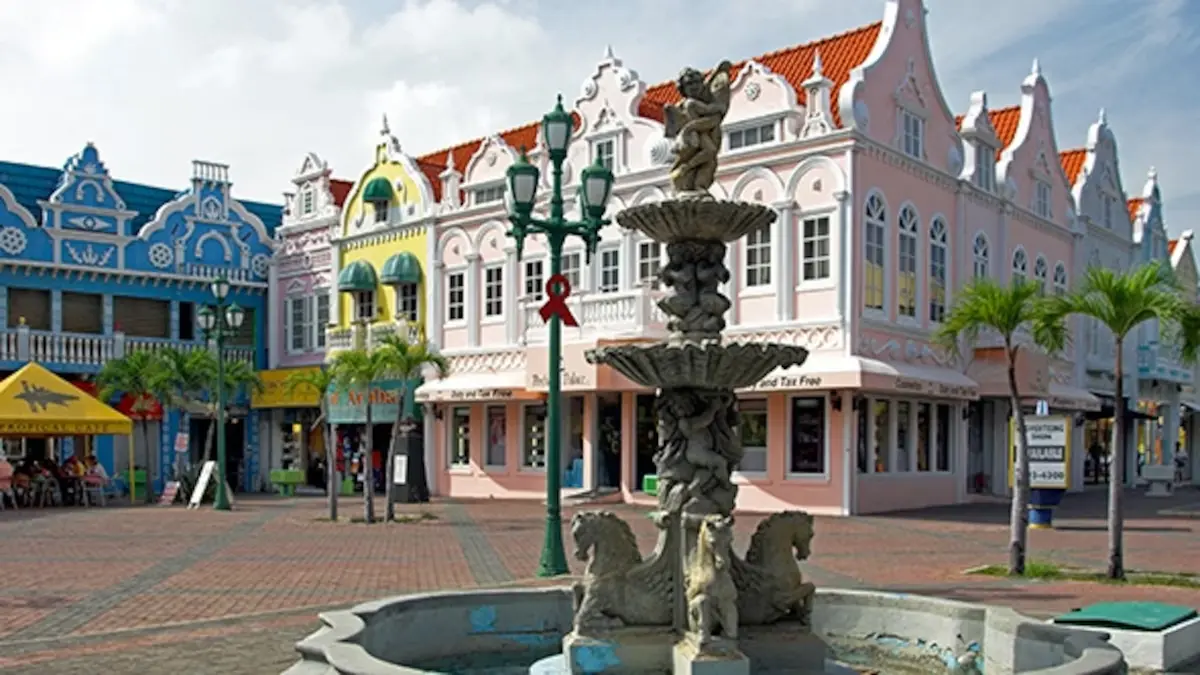
Oranjestad is compact, colorful and easy to explore on foot. The pastel Dutch-Caribbean buildings along Main Street make the city feel unlike any other Caribbean capital, and a free streetcar runs through the downtown area, which is handy on hot days. There are shops ranging from luxury duty-free boutiques to local craft stores, plus plenty of cafés and restaurants.
For history, visit Fort Zoutman, the oldest building on the island, and its Willem III Tower. The National Archaeological Museum Aruba showcases artifacts from the island's Amerindian past in a restored historic complex. Wandering the waterfront and harbor is also a pleasant way to spend an evening.
Flamingo Beach on Renaissance Island
Yes, you can see flamingos in Aruba, but there is a catch. The famous flamingos live on Flamingo Beach, a small private section of Renaissance Island, reached by boat from the Renaissance resort in Oranjestad. Access is mainly for resort guests, with a limited number of day passes sometimes sold. They are expensive and sell out quickly, so if the flamingos are a priority, book as early as possible or stay at the resort.
Visit Oranjestad in the late afternoon when it cools down, then stay for dinner. Check for local cultural events at Fort Zoutman during your stay; festivals with Aruban music, dance and food are held there. Avoid cruise ship days if you can, when downtown gets much busier.
Best for: Shoppers, history lovers, first-time visitors, families, and anyone hoping to see the famous flamingos.
13. Sunset at the California Lighthouse
California Lighthouse and Arashi Beach
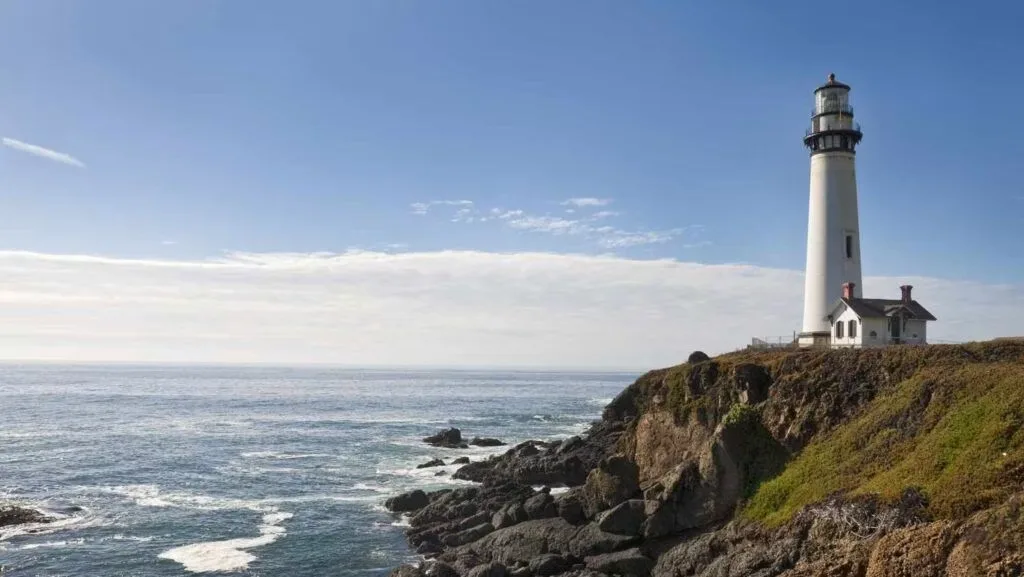
The California Lighthouse stands on a hill at the northwestern tip of Aruba, and it is my favorite sunset spot on the island. The stone lighthouse was built in the early twentieth century and named after the SS California, a steamship that wrecked off this coast. From the hilltop you can see the calm Caribbean side, the wild northern coast and the sand dunes, all in one sweep.
You can usually climb to the top for a small fee, and the view is worth it. At sunset, the whole area glows gold and pink as the sun drops into the sea. There is also a restaurant nearby if you want to turn your visit into a sunset dinner.
Just below the lighthouse, Arashi Beach is one of the best beaches for a relaxed swim and snorkel. It is calm, clear and less developed than Palm Beach, with palapas for shade and good snorkeling along the rocky edges. I like to spend the afternoon at Arashi and then drive up to the lighthouse for sunset.
Arrive at least 45 minutes before sunset, because the parking area fills up and the best viewpoints get busy. Check the lighthouse climbing hours in advance; they may not run until sunset. If the hilltop is crowded, walk a little way along the coast for your own quiet spot.
Best for: Sunset lovers, couples, photographers, and anyone wanting a relaxed beach afternoon followed by a spectacular view.
More Things To Do If You Have Time
These did not make my top thirteen, but each is worth adding if it matches your interests.
Ayo and Casibari Rock Formations
Giant boulders stacked in the middle of the desert, with short trails and viewpoints. Ayo also has ancient rock drawings.
Bushiribana Gold Mill Ruins
Stone ruins of a 19th-century gold smelter on the wild north coast. A classic stop on jeep tours.
Alto Vista Chapel
A small, peaceful yellow chapel on a hill, with a winding road lined by white crosses and wide ocean views.
Sunset Sail
A catamaran or sailboat cruise along the west coast. Choose smaller boats for a calmer, less party-focused trip.
UTV and Jeep Tours
The most fun way to reach the north coast and Natural Pool if you do not want to drive yourself.
Carnival
Aruba's biggest celebration, with parades and music, building up over several weeks before Lent.
Best Time to Visit for Each Activity
Aruba is dry and warm all year, but the seasons still affect crowds, prices and wind. Here is how I plan around them.
| Season | Months | Conditions | Best For |
|---|---|---|---|
| Peak season | Mid-Dec to April | Sunny, breezy, busy | Beaches, Carnival; book early |
| Windy season | May to August | Strong trade winds, hot | Kiteboarding, windsurfing, value stays |
| Calm season | September to October | Hottest, lightest winds | Snorkeling, diving, low prices |
| Short-shower season | November to mid-Dec | Occasional brief showers | Quiet beaches, green landscapes |
My Practical Tips for Doing Aruba Right
- 1Rent a car for at least a few days. Aruba is easy to drive and a car lets you reach San Nicolas, Baby Beach and the lighthouse on your own schedule. Only hire a 4x4 if you plan to drive the Arikok tracks.
- 2Group activities by area. Do Baby Beach, Zeerovers and San Nicolas on one south-coast day. Do Arikok, the Natural Pool and the rock formations on another. Save the lighthouse and Arashi for a relaxed afternoon.
- 3Protect yourself from the sun. The constant breeze hides how strong the sun is. Use reef-safe sunscreen, wear a hat, and reapply often.
- 4Bring your own snorkel gear. Many of the best spots are reachable from shore, and your own mask saves money over a week.
- 5Carry some cash. Cards are widely accepted, but local spots and fish shacks may prefer cash. US dollars work almost everywhere.
- 6Check the cruise schedule. Oranjestad and popular tours get much busier on days when large cruise ships are in port.
Common Questions About Things To Do in Aruba
The questions I get asked most often, answered honestly from personal experience.
My Top Things To Do in Aruba
If I had to reduce Aruba to five must-do experiences they would be: a morning at Eagle Beach before the crowds arrive, a day exploring Arikok National Park and the Natural Pool, snorkeling or diving the Antilla shipwreck, lunch at Zeerovers in Savaneta, and a sunset from the California Lighthouse.
Aruba rewards visitors who get off the Palm Beach strip and explore. The island is small enough to drive around in an afternoon but diverse enough to surprise you if you look beyond the resort zone. Rent a car for at least one day and head south and east.
Plan Your Complete Aruba Trip