
11 Best Things to Do in Saba
Everything Worth Your Time on Five Square Miles
The best things to do in Saba, from the marine park and Mount Scenery to the villages, the museum, Saba Lace and the small local experiences most visitors walk straight past.
Things To Do in Saba The Honest Insider Guide
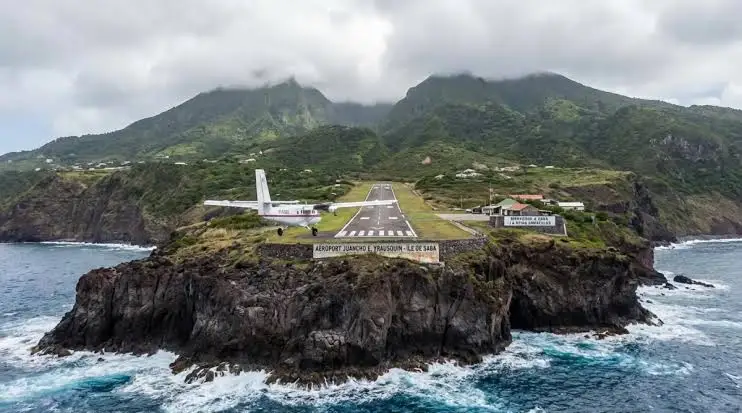
I'll be direct with you: Saba is not for everyone, and that's exactly why I love it. When I first arrived on this tiny Dutch island in the northeastern Caribbean, I expected a quiet getaway. What I discovered instead was one of the most authentically unspoiled destinations I have ever experienced. Over multiple visits, I have hiked volcanic trails, dived pristine pinnacles, and sat in local bars where tourists are still novelties rather than the norm.
The things to do in Saba won't fill your schedule with theme parks and resort activities. There are no big beaches, no chain hotels and no cruise ship crowds. Instead, what you'll find is deeply personal, wonderfully quiet, and genuinely restorative. I'm writing this guide because I want you to understand exactly what Saba offers so you can decide if this island speaks to your travel style.
The Quick Answer: Saba's top activities are diving the pinnacles and walls of the Saba Marine Park, snorkeling from a boat, climbing the 1,064 steps of Mount Scenery, hiking down the historic Ladder, exploring the island's other rainforest trails, driving The Road through the four villages, visiting the Harry L. Johnson Museum, watching Saba Lace being made, spotting tropicbirds and whales, tasting Saba Spice, and taking a boat trip around the island. The island attracts serious divers, adventurous hikers, and travelers who genuinely want to disconnect.
Saba at a Glance
1. Dive the Saba Marine Park
Pinnacles, Walls and Reefs That Feel Untouched

I have dived in the Caribbean more times than I can count, and I can tell you honestly: Saba's marine life is exceptional. The Saba Marine Park, established in 1987, surrounds the entire island, and its reefs remain remarkably healthy because the island has protected its waters fiercely. Moorings are used at every site, anchoring is restricted, and fishing is controlled.
What makes Saba special is its underwater geography. The island is the top of a volcano, and the sea floor drops off steeply, creating dramatic walls and pinnacles, underwater peaks rising from deep water. Sites like Third Encounter, Eye of the Needle and Twilight Zone are famous among experienced divers for their deep, dramatic profiles, schooling fish and the chance to see sharks in the blue. Diamond Rock and Man O' War Shoals, off the north coast, rise close to the surface and are covered in life. Closer to the harbor, Tent Reef offers easier diving on a colorful wall.
The diving works differently here than elsewhere. There are no massive dive operations with cattle boats. The island's small dive shops take small groups, and I have done dives where my group was just myself, the guide and one other person. That intimacy changes everything about the experience.
The deep pinnacles are best for experienced divers, and many require advanced certification and computer diving. Build up with a few easier dives on Tent Reef or the shallower northern sites first. Ask your dive shop about the marine park fee and whether they offer multi-dive packages, which bring the cost down.
Sea conditions vary, and some sites become inaccessible when swells roll in, especially on the more exposed sides of the island. Saba has strict marine protection rules: do not touch coral, do not chase marine life and do not remove anything from the water. These rules are why Saba's reefs are so healthy.
Best for: Certified divers seeking small-group experiences, advanced divers wanting deep pinnacles and walls, and anyone who wants to feel like they have discovered a diving secret.
2. Snorkel From a Boat or Well's Bay
Saba for Non-Divers Underwater

If you're not certified or prefer snorkeling, Saba still has plenty to show you, but it works a little differently than on beach islands. Saba's coastline is mostly cliffs and boulders, so snorkeling is usually done from a boat. The dive shops run snorkel trips or let snorkelers join dive boats to shallower sites.
Well's Bay and Torrens Point on the northwest coast are the most popular snorkeling areas, with rocky reefs, sea turtles, rays and plenty of tropical fish. Well's Bay sometimes has a seasonal patch of sand, a rarity on Saba, which appears and disappears with the swells. Ladder Bay is also beautiful for snorkeling from a boat, where the reef starts in shallow water and slopes gently.
Ask a dive shop whether you can join a morning dive boat as a snorkeler; it's often the easiest way to reach the best sites. Bring your own mask and snorkel if you can. Check sea conditions before heading to Well's Bay, as swell can make entry from the rocks tricky.
Entering the water from Saba's rocky shoreline can be dangerous when waves are breaking. Never snorkel alone from shore, and wear water shoes.
Best for: Snorkelers of all levels, non-diving partners of divers, and anyone who prioritizes coral conservation.
3. Climb Mount Scenery
The Island's Iconic Challenge
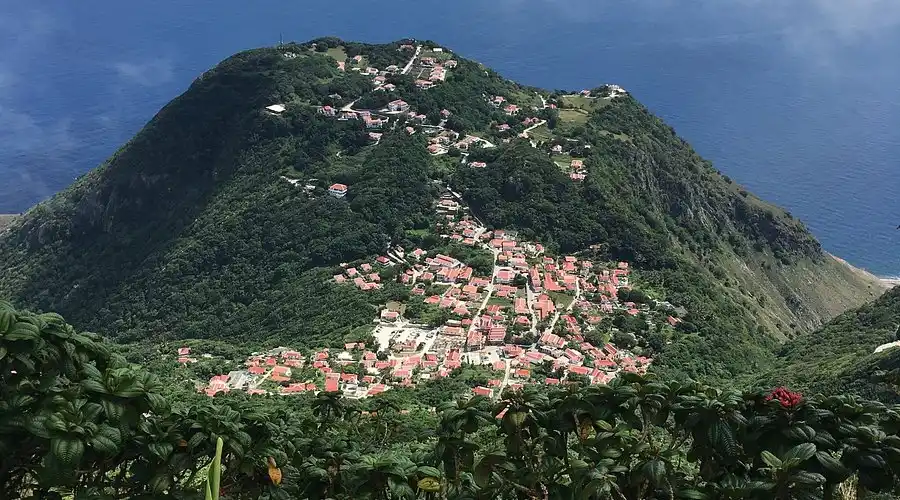
The moment I stepped onto the Mount Scenery trail, I understood why this hike occupies such a significant place in Saba's identity. At 887 meters (2,910 feet), Mount Scenery is the highest point in the entire Kingdom of the Netherlands. The trail from Windwardside climbs about 1,064 hand-laid stone steps through changing vegetation zones, from secondary rainforest to misty cloud forest filled with ferns, mosses, orchids and mountain mahogany trees. I have completed this hike multiple times, and it remains one of my favorite physical challenges in the Caribbean.
What makes Mount Scenery special is the combination of difficulty and reward. The first section feels almost meditative as you walk through shaded forest where the temperature drops noticeably. Higher up, the forest becomes elfin and mossy, and the trail is often wrapped in cloud. When the clouds part at the top and you see the tiny island below you with nothing but ocean in every direction, it is genuinely emotional. Allow about two to three hours round trip.
Start very early, ideally before 7 AM. Clouds usually build as the day goes on and can completely hide the view. Stop at the trail shop in Windwardside for trail information and to pay the trail fee, which supports trail maintenance. Bring water, a light rain jacket and shoes with good grip; the steps can be wet and slippery.
Best for: Fit hikers seeking a legitimate challenge, nature lovers, photographers, and anyone wanting to stand on the highest point in the Dutch Kingdom.
4. Hike Down The Ladder
Saba's Historic Landing
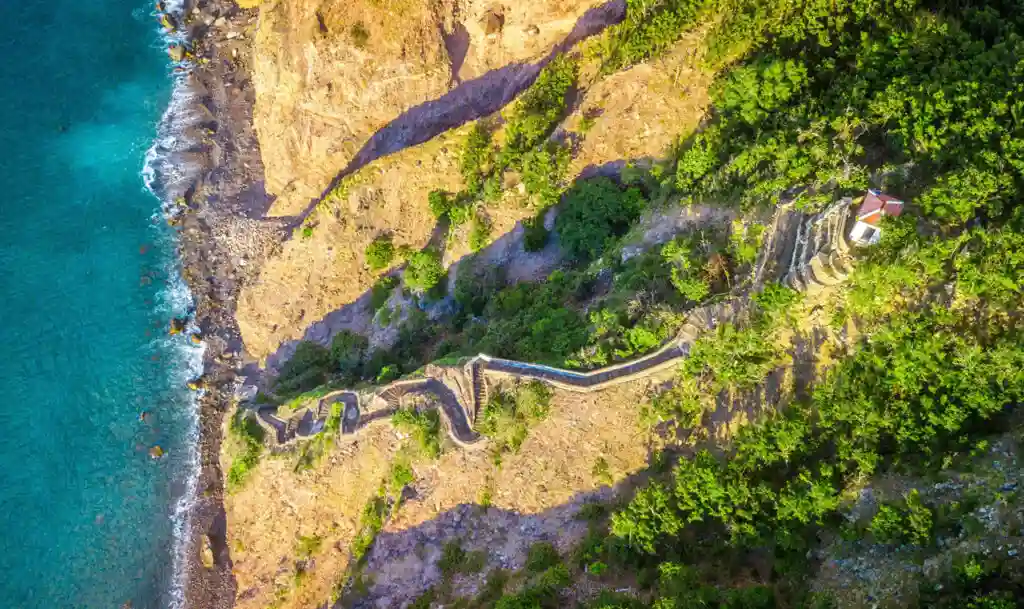
The Ladder offers something completely different from Mount Scenery. Before Saba had a harbor, almost everything that came to the island, from food and building materials to furniture and visitors, was landed at Ladder Bay and carried up a steep stone stairway of around 800 steps to The Bottom. Islanders often say even a piano and a bishop came up this way. Walking it today connects you directly to Saba's history of isolation and self-reliance.
The trail starts near The Bottom and descends steeply to the rocky shore, where you'll find the ruins of the old customs house. The views over the sea are dramatic, and the sense of place is powerful. The shoreline is made of boulders rather than sand, so it isn't a swimming beach. Going down is easy; coming back up is the real workout.
Go in the early morning or late afternoon when the western slope is in shade. Take your time on the climb back up and bring plenty of water. Combine the Ladder with lunch in The Bottom afterward.
The steps are steep and can be slippery. Do not attempt to swim from the rocky shore at Ladder Bay; waves and rocks make it dangerous.
Best for: History lovers, moderately fit hikers, photographers, and anyone curious about how Sabans lived before modern transport.
5. Explore Saba's Rainforest Trails
Sandy Cruz, Crispeen and More

Not everyone wants to climb Mount Scenery, and Saba has a whole network of trails managed by the Saba Conservation Foundation. Many follow old footpaths that connected villages and farms before The Road was built.
The Sandy Cruz trail winds through dense rainforest on the northern slopes, with giant ferns, towering trees and views down to the sea. The Crispeen Track connects Windwardside and The Bottom through forest and old farmland. Mary's Point leads to the site of an abandoned village. The Sulphur Mine trail takes you to the remains of an old mine, with hot sulfur vents that remind you Saba is still a volcano. Many trails offer excellent birding, and you might spot the harmless red-bellied racer snake, found only on Saba and St. Eustatius.
Visit the trail shop in Windwardside for maps, current trail conditions and advice on which routes suit your fitness. Consider hiring a local trail guide; they bring the plants, birds and history to life. Hike in the morning for the best bird activity and cooler temperatures.
Best for: Birders and nature photographers, hikers who want variety, families at moderate fitness levels, and anyone wanting to explore Saba's ecosystems.
6. Drive The Road Through the Villages
"The Road That Couldn't Be Built"

Engineers once said a road on Saba was impossible because the slopes were too steep. Islanders built one anyway, largely by hand, over roughly two decades from the late 1930s to the late 1950s. The Road, as it is simply called, now winds from the airport to the harbor in a series of hairpin bends, and driving it is an experience in itself.
Along the way, you pass through all four of Saba's villages. Hell's Gate, near the airport, is perched high on the slopes. Windwardside is the main tourist village, with shops, restaurants and the museum. St. Johns is a small village with sweeping views. The Bottom, despite its name, sits in a high valley and is the island's capital. All are full of white cottages with red roofs and green shutters, and the views between them are spectacular.
Unless you are a confident driver on steep, narrow roads, take a taxi island tour instead. Saban taxi drivers are fantastic storytellers and know every family and every bend. Stop at the viewpoints to watch planes land on the airport's famously short runway.
Best for: First-time visitors, photographers, history lovers and anyone wanting a complete overview of the island.
7. Visit the Harry L. Johnson Museum and Windwardside
Island History in a Sea Captain's Cottage
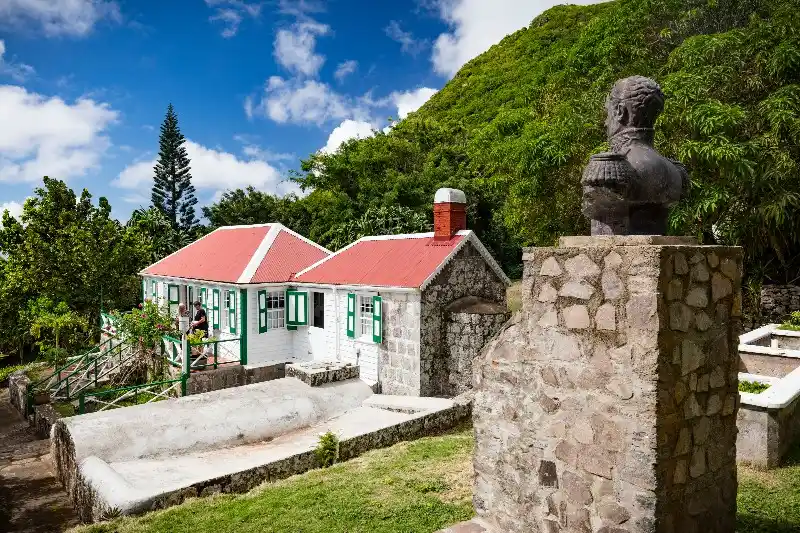
I have visited small island museums throughout the Caribbean, and the Harry L. Johnson Museum in Windwardside ranks among the most charming. It occupies a traditional sea captain's cottage furnished much as it would have been in the nineteenth century, with antique furniture, a traditional kitchen, family photographs and objects that tell Saba's story. It's not slick, but it's authentic.
The museum explains the island's maritime heritage. For generations, many Saban men went to sea, and the island became known for its sea captains, while women kept homes and farms running and developed crafts like Saba Lace. Exhibits also cover the island's earlier Amerindian inhabitants. Afterward, wander the rest of Windwardside's quiet lanes, visit small shops and galleries, and stop at a café.
Check opening hours before you visit; they are limited and can change. The museum is next to the start of the Mount Scenery trail, so it's easy to combine with a hike. Ask the staff about local craftspeople and events during your stay.
Best for: History enthusiasts, culture lovers, families, and a perfect rainy-day activity.
8. Watch Saba Lace Being Made
A Living Craft Tradition

Saba Lace, also known as "Spanish work," is a form of drawn-thread embroidery introduced to the island in the late nineteenth century by a Saban woman who learned the technique in Venezuela. Threads are pulled from linen or cotton fabric, and the remaining threads are stitched into intricate geometric patterns. For decades, Saban women sold their lace by mail order to buyers in the United States, bringing vital income to the island.
Today, a small group of lacemakers keeps the tradition alive, and watching them work is genuinely mesmerizing. You can often see demonstrations and buy pieces, from small doilies to larger tablecloths, in Hell's Gate and at local shops. Each piece takes many hours of careful work.
Other Local Crafts
Saba is also home to talented artists. JoBean Glass Art in the Booby Hill area is a glass studio where you can see beads and glass pieces being made and even try a class. Small galleries in Windwardside showcase local paintings and crafts.
Call ahead or ask your guesthouse to arrange a lace demonstration rather than arriving unannounced. Lace pieces aren't cheap, but they are authentic, handmade and support a craft that could otherwise disappear.
Best for: Craft enthusiasts, gift shoppers looking for authentic souvenirs, culture lovers, and rainy days.
9. Spot Tropicbirds, Whales and Wildlife
Saba's Natural Residents
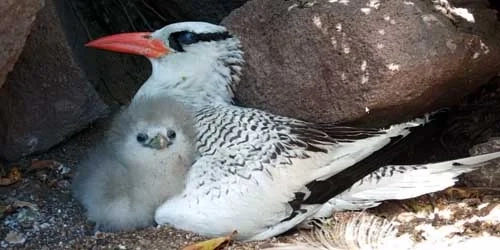
Saba may be tiny, but it's a wonderful place for wildlife. The island's cliffs are an important nesting site for red-billed tropicbirds, elegant white seabirds with long tail streamers. They are often seen soaring along the coast and near the airport, particularly during their nesting season.
From roughly January to April, humpback whales pass through the waters around Saba, and you may spot them from high viewpoints or while on a boat. On land, look for the Saban anole, a lizard found only on Saba, and the harmless red-bellied racer snake. Iguanas bask on warm rocks, and the forests are full of hummingbirds and other birds.
Bring binoculars. The cliffs near the airport and viewpoints along The Road are great for watching tropicbirds. Ask dive shops and boat operators whether whales have been seen recently during whale season.
Best for: Birdwatchers, wildlife photographers, nature lovers and families.
10. Taste Saba Spice and Local Food
Island Flavors
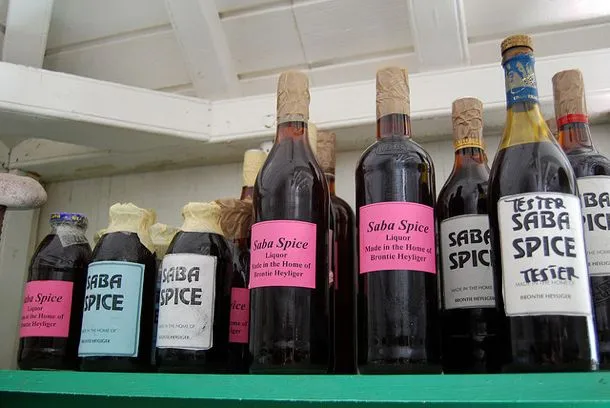
No visit is complete without trying Saba Spice, a sweet, aromatic rum-based liqueur flavored with spices like fennel, cinnamon, clove and nutmeg. Traditionally made at home, each family has its own secret recipe. You'll find it in bars, restaurants and shops, and a bottle makes a great souvenir.
Saba's restaurants are small and personal, often run by the same people who cook. Look for fresh fish and lobster, local produce grown on the island's steep farms, and hearty home-style dishes. Windwardside has the widest choice of restaurants and cafés, while The Bottom has local spots popular with residents and students. Dinner with a view of the clouds rolling over the mountain is one of Saba's simple pleasures.
Book dinner in advance, as restaurants are small and some open only on certain days. Ask locals where to find homemade Saba Spice rather than the commercial version.
Best for: Foodies, curious travelers, souvenir hunters and anyone wanting a taste of island tradition.
11. Take a Boat Trip or Fishing Charter
Seeing Saba From the Sea
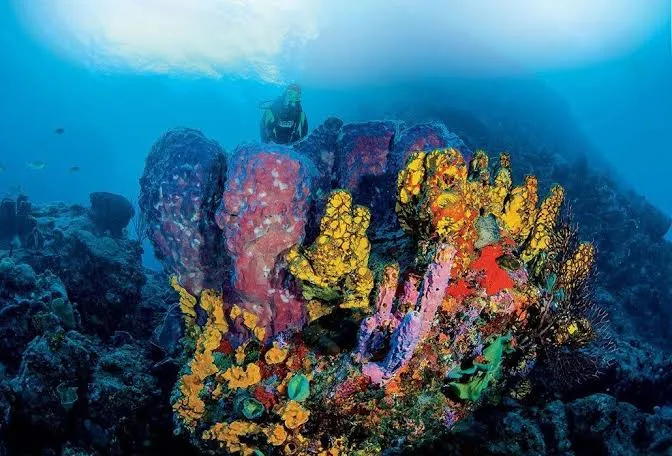
Seeing Saba from the sea is one of the best ways to understand the island. A boat trip around the coast reveals towering cliffs, hidden coves, old landing points and the sheer scale of the volcano rising from the water. Many dive shops and local operators offer round-island tours, often combined with snorkeling stops.
Fishing charters are another way to get out on the water. Saba is not a big fishing tourism destination, so trips are often run by locals who fish for a living. During one trip, my guide took me to spots where wahoo, mahi-mahi and tuna run. We didn't catch trophy fish, but we caught enough for dinner, and I had hours of conversation about how fishing has sustained Saban families for generations.
Book a round-island trip in the afternoon when the light on the cliffs is warm. For fishing, confirm the price, duration and whether you can keep some of your catch; many restaurants will cook it for you.
Seas around Saba can be rough, especially on the exposed sides of the island. Take seasickness medication if you need it, and be prepared for trips to be rescheduled in bad weather.
Best for: Photographers, fishing enthusiasts, non-divers wanting time on the water, and anyone seeking a new perspective on the island.
More Things To Do If You Have Time
These did not make my top eleven, but each is worth adding if it fits your trip.
Watch Planes Land
Saba's airport has one of the shortest commercial runways in the world. Watching a landing is thrilling.
Saba Day
Celebrated in early December with music, food, games and local traditions.
Summer Festival
Saba's carnival-style festival, held in summer, with parades, music and events.
Sea & Learn
An educational event where scientists share talks and field trips about Saba's nature. Check current dates.
Stargazing
With little light pollution, Saba's night skies can be spectacular on clear nights.
Yoga and Wellness
Some guesthouses and studios offer yoga and wellness sessions with mountain views.
Best Time to Visit for Each Activity
Saba is warm year-round, but the seasons affect sea conditions, trail conditions and wildlife.
| Season | Months | Conditions | Best For |
|---|---|---|---|
| Dry season | December to April | Drier trails, occasional swells | Hiking, whale watching (Jan–Apr) |
| Early summer | May to July | Warm, often calmer seas | Diving, snorkeling, Summer Festival |
| Hurricane season peak | August to October | Humid, storms possible | Quiet diving; buy travel insurance |
| Late autumn | November | Warm, variable weather | Diving, quiet visits, Saba Day (early Dec) |
My Practical Tips for Doing Saba Right
- 1Book flights and ferries early. Planes are tiny and seats are limited. Weather can delay flights and ferries, so leave a buffer day before international connections.
- 2Use taxis. There is no public transport, and The Road is steep and winding. Taxis are reliable, and drivers make great guides.
- 3Pack for hiking. Bring proper shoes, a rain jacket and a warm layer for the mountain.
- 4Book restaurants and dives ahead. Everything is small, and places fill up quickly.
- 5Don't expect beaches. Saba is about diving, hiking and village life, not lounging on sand.
- 6Leave gaps. Some of the best experiences come from conversations with locals. Don't over-schedule.
Common Questions About Things To Do in Saba
The questions I get asked most often, answered honestly from personal experience.
My Final Thoughts on Things to Do in Saba
For an island of five square miles, Saba holds a surprising amount. Between the marine park, the trail network, four villages that each feel distinct, a small museum and living craft traditions, I have never run out of things to do on a four or five night stay. What the island does not have is anything manufactured for tourists, which is exactly why the things it does have feel worth doing.
If you take one piece of advice from this page, let it be to leave gaps in the plan. The best afternoons I have had here came from a conversation at breakfast that turned into a boat trip or a walk I had never heard of. Book the diving, climb the mountain, and let the rest happen.
Explore Saba