
11 Best Things To Do in Anguilla
Every Activity Worth Your Time on This Island
My complete guide to the best things to do in Anguilla, from world-class beaches and snorkeling to offshore cays, heritage sites, boat racing and dining. Honest opinions on what is actually worth it.
Things To Do in Anguilla The Honest Insider Guide
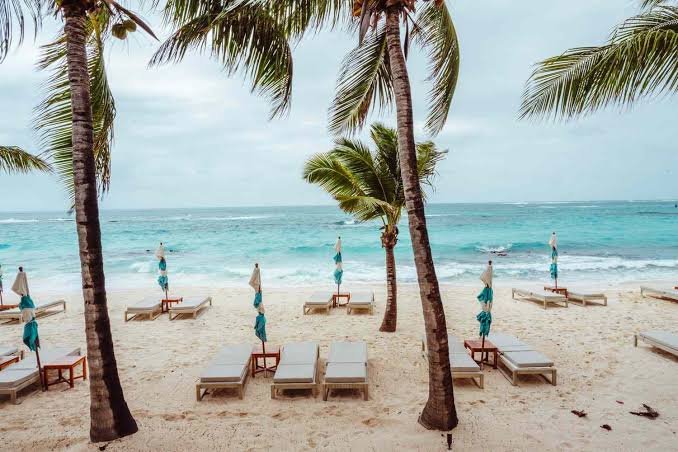
I have been to Anguilla more times than I can count, and I need to be straight with you: this island doesn't have the flashy attractions or crowded tourist traps of some Caribbean destinations. What it does have is something far more valuable. Anguilla offers pristine beaches, genuine Caribbean warmth, and a relaxed pace that makes you actually want to stay longer instead of rushing through a checklist. When I first visited, I expected to be bored on such a small island. Instead, I found myself completely charmed by the authenticity and natural beauty that makes this place special.
I have stayed in luxury resorts, budget guesthouses, and beachfront villas across Anguilla. I have eaten at excellent restaurants tucked into beach shacks and sampled street food at local festivals. I have explored every major beach, hiked to hidden coves, and spent time with locals who genuinely care about sharing their island. The activities here aren't about adrenaline rushes or Instagram moments, though you will certainly get those too. They are about experiencing island life the way it was meant to be experienced.
The Quick Answer: The best things to do in Anguilla are swimming at world-class beaches like Shoal Bay East, Meads Bay and Rendezvous Bay, snorkeling the reefs and marine parks, taking a boat to Prickly Pear Cays or Sandy Island, eating fresh seafood in Island Harbour, catching live music in Sandy Ground, exploring heritage sites like Wallblake House, and, if your timing is right, watching the island's famous boat races. Most activities are water-based or beach-focused, which is exactly what makes Anguilla special.
Anguilla at a Glance
1. Swim at Shoal Bay East
Shoal Bay East: The Caribbean's Best Beach
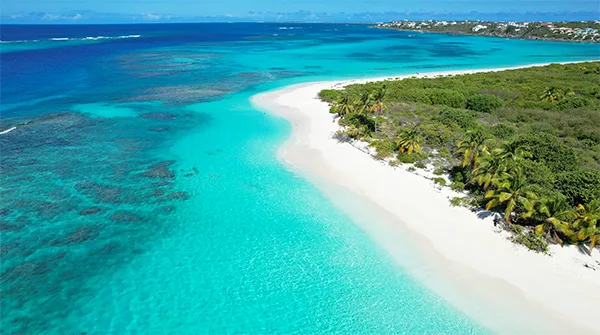
This is not hyperbole. Shoal Bay East is genuinely one of the best beaches I have ever visited anywhere in the world. I have been there dozens of times, and it still takes my breath away every single time. The sand is impossibly soft and white, the water is a shade of turquoise that makes you question if it is real, and the reef runs right along the shore so you can literally walk twenty yards and be surrounded by fish.
What makes Shoal Bay special is that it has managed to remain relatively unspoiled despite being easily accessible. When I visit, I wade out to the reef and spend hours just watching parrotfish, sergeant majors, and spotted eagle rays go about their business. The beach curves gracefully for nearly two miles, so even on busier days you can find your own stretch of sand.
The beach has two distinct personalities. The central stretch is where the bars, lounger rentals and most of the people are, and it has a friendly, social energy, particularly on weekends when local families come down with coolers and music. Walk toward the eastern end and the development falls away until it is just you, the sand and a line of sea grape trees. The western end, closer to Upper Shoal Bay, has the best near-shore snorkeling in my experience because the reef comes in closest there.
How to Spend a Day Here
My ideal Shoal Bay day starts with an early swim while the water is glassy, then an hour of snorkeling before the breeze picks up. By late morning I rent two loungers and an umbrella from one of the beach bars (many will waive or reduce the fee if you eat lunch there), read in the shade through the midday heat, and have a long lunch of grilled fish or lobster. The afternoon is for a second swim and a walk to the quiet eastern end. It sounds simple because it is, and it is the most Anguillan day you can have.
Arrive before 8 AM if you want the beach to yourself. I have done this countless times and have had the entire beach nearly empty for at least an hour. The early morning light on the water is also absolutely magical for photography. Come back at sunset if you want a more lively atmosphere with beach bars packed with locals and visitors.
The main strip has several casual beach bars and restaurants, and while some are tourist-focused, I have found genuine local spots if you wander. Madeariman Beach Bar is where I go when I want authentic Anguillan vibes. The food is simple but delicious, and the owner remembers repeat visitors.
There is very little natural shade on the central beach, and the sun reflecting off the white sand is intense. Bring reef-safe sunscreen and a hat, and do not stand on the coral while snorkeling. It is fragile and some of it can sting.
Best For: Snorkelers, beach lovers, families, first-time visitors, and anyone who wants to experience a Caribbean beach that actually deserves its reputation.
2. Relax at Meads Bay
Meads Bay: The Island's Most Sophisticated Beach

Meads Bay is where I go when I want to feel like I am on a more upscale Caribbean experience without the pretension. The beach stretches for roughly a mile along the island's west end, and it has a completely different vibe than Shoal Bay. The sand is equally stunning, but here you will find more resort development, fancier beach clubs, and a more polished crowd.
I have spent entire days at Meads Bay just reading and swimming. The water is calm even when other parts of the island get choppy, and there is something about the way the light hits the water at midday that is absolutely mesmerizing. The beach has a gentle slope, which makes it perfect for families with young children.
The bay is framed by headlands at both ends, with Malliouhana on the bluff at the eastern end and the Four Seasons on the point to the west. Between them sit smaller resorts, villas and beach restaurants, so you always have somewhere to get a drink, a towel or a meal. Even so, the beach is public, as are all beaches in Anguilla, and you are welcome to lay down a towel anywhere along it.
Why It Works So Well for Sunsets
Because Meads Bay faces west, the sun drops straight into the sea in front of you. On clear evenings the whole beach turns gold and then pink, and you will see people drift down from the resorts with drinks in hand to watch. I like to take a final swim about half an hour before sunset, then sit on the sand and let the light do its thing. It is one of those small rituals that ends up being a highlight of the trip.
The western end of Meads Bay is far less crowded than the main resort area. Walk west past the main beach clubs and you will find stretches where you might only see a handful of other people. I discovered this by accident when I parked in the wrong spot, and now it is my preferred area. The water is the same perfect temperature, and the sunset views are unobstructed.
If you want to eat without leaving the beach, the restaurants here are genuinely good. I have had excellent ceviche at Cypress Restaurant and the best fish tacos of my life at Jacala Beach Bar. Both are right on the sand, so you never have to fully leave the water. Beach restaurants on Meads Bay change hands and reopen under new names fairly often, so check what is operating during your dates.
Best For: People who want a beach with amenities and restaurants, families with young children, sunset watchers, and anyone seeking a calm, easy swimming beach.
3. Snorkel the Anguilla Reefs
Snorkeling Adventures: Reef Life That Will Astonish You
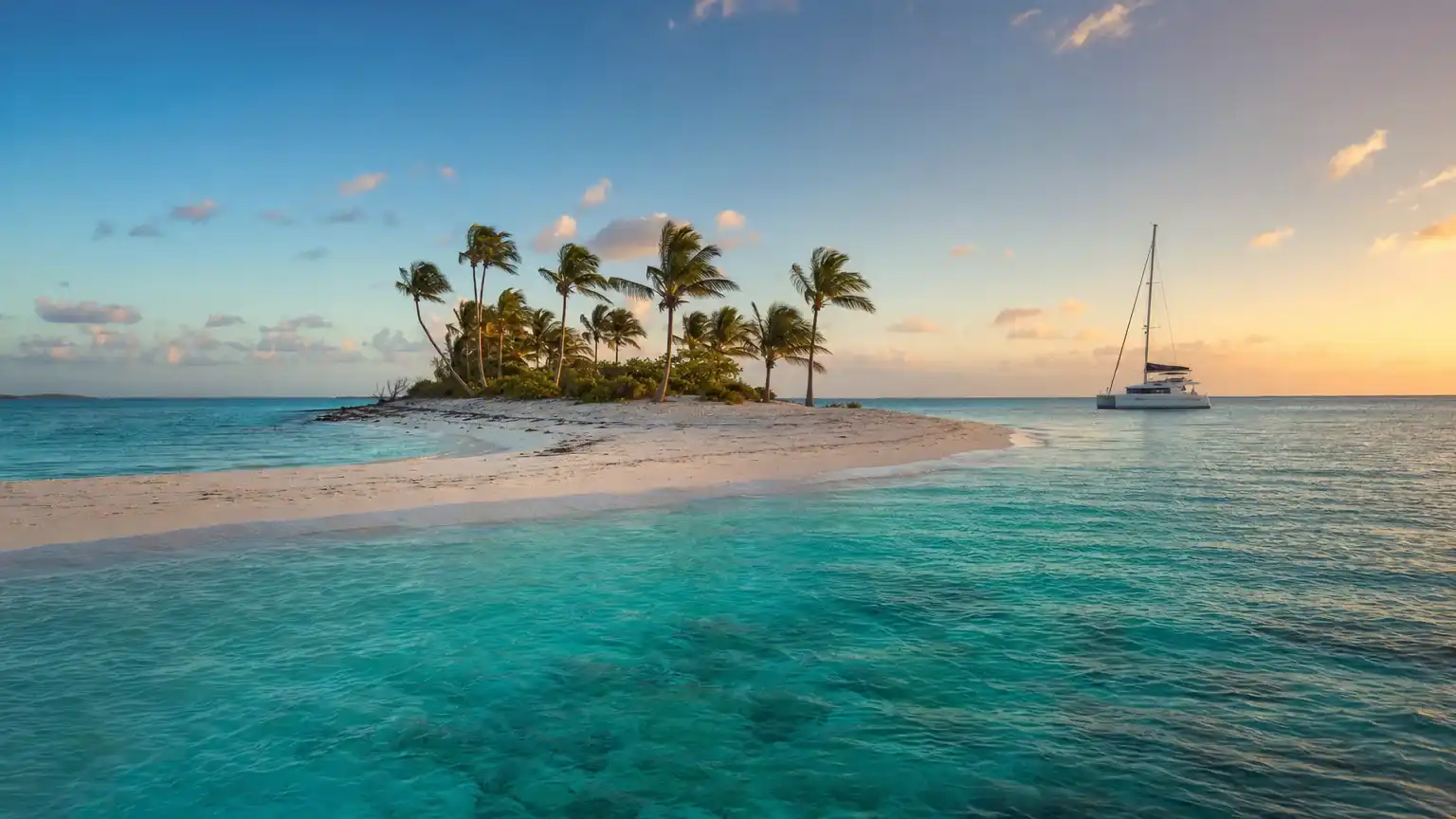
I have snorkeled in dozens of Caribbean locations, and Anguilla's reefs rank in my top five. The coral is healthy, the fish populations are robust, and the water clarity is stunning. Most beaches have decent house reefs, but if you want to really see the underwater world, you need to get on a snorkeling boat.
When I book a snorkeling tour, I always choose smaller operators rather than the big resort-affiliated companies. The smaller boats go to less crowded spots and the guides actually know the reefs intimately. I have been on tours where the captain knew every individual turtle and could predict where they would be at what time of day.
The best reefs I have visited are around Scrub Island, Prickly Pear Cays, and Sandy Island. At Prickly Pear, I once spent forty minutes watching a spotted eagle ray hunting along the sandy bottom while a school of tarpon circled above. That is the kind of experience you get when you go to the right spots with the right people.
The Best Places to Snorkel From Shore
You do not need a boat to have a great snorkel here. Shoal Bay East is the easiest, with a reef close to shore at the western end. Little Bay (more on it below) has clear, sheltered water and plenty of fish around its rocky edges. Barnes Bay, next to Meads Bay, has rocks and reef at either end that reward a slow swim, and Captain's Bay on the wild north-eastern tip is beautiful but best left to strong swimmers because of currents. Always check conditions on the day: the north coast can get rough when the swell is up, while the south and west coasts are usually calmer.
Book your snorkeling tour with Captain Keith at Tropical Tours. I have used him multiple times and he is one of the few operators who actually cares about the reef. He will take you to spots where you can see nurse sharks, spotted eagle rays, and groupers the size of small dogs. He also knows where the sea turtles like to rest during the day. Most importantly, he will not take you to overcrowded tourist spots. Tell him what you actually want to see and he will make it happen.
Some snorkeling tours will put you in spots with thirty other people on the same reef. This damages the coral and is honestly just unpleasant. Insist on smaller group tours with experienced guides who know how to minimize impact. Your few extra dollars will be worth it for a better experience and a clear conscience.
Best For: Snorkelers of any experience level, marine life enthusiasts, families with confident young swimmers, and anyone who wants to see healthy Caribbean reefs.
4. Explore Island Harbour
Island Harbour: Where Real Anguilla Still Exists
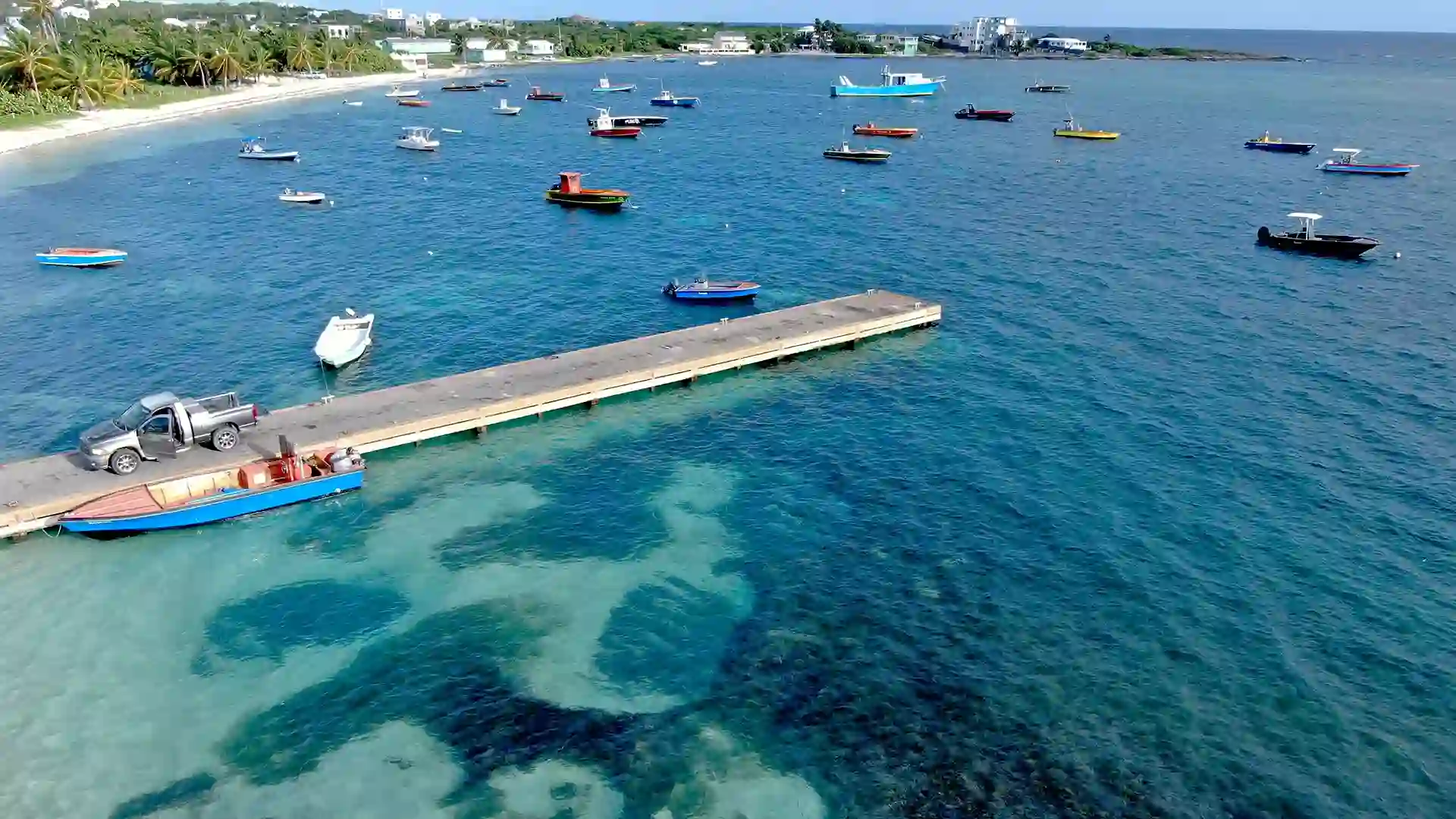
Island Harbour is the authentic fishing village that most tourists never find, and I love it for that reason. This is where the local fishing boats still go out every morning, where Anguillan families have lived for generations, and where you can actually feel the heartbeat of the island instead of just the tourist pulse.
I discovered Island Harbour by getting lost, which is actually how I recommend you find it too. There are no major signs directing you here, and the restaurants are not on fancy travel websites. When I first stumbled upon the village, I sat at a plastic table next to the water and ate the best conch salad I have ever had for eight dollars. The woman who made it was the fisherman's wife, and she prepared it while we talked about her grandchildren.
Today when I visit, I come specifically to eat at places like Hibernia Restaurant and The Boat House. These are not fancy establishments, but the seafood is fresher than anywhere else on the island because they literally buy it from the boats that come in that morning. I have had lobster here that was in the ocean less than four hours before it hit my plate.
Combine It With Big Spring
Just a few minutes' walk from the waterfront is the Big Spring Heritage Site, a collapsed limestone cave that was once a ceremonial site for the Amerindian people who lived on Anguilla long before Europeans arrived. The rock walls carry petroglyphs, carved faces and figures that are hundreds of years old. It is small and quiet, and seeing it before lunch gives the whole village a sense of deep time that you do not get anywhere else on the island.
Go to Island Harbour in the late afternoon when the local fishermen bring in their catch. You will see boats arriving, fish being sorted, and real island commerce happening. It is nothing fancy, but it is authentically Anguilla. If you chat with the fishermen, they will often tell you exactly which fish is best that day and how it should be prepared. I once had a fisherman's nephew cook my dinner at his family home because I asked the right questions and showed genuine interest.
The beach at Island Harbour is rocky, not sandy, so it is not ideal for swimming. But the views are beautiful and the atmosphere is completely different from the resort beaches. This is where you come to understand the real island and meet real islanders.
Best For: Travelers seeking authenticity, foodies, history lovers, people who want to escape the tourist scene, and anyone curious about how local Anguillan life actually works.
5. Adventure at Little Bay
Little Bay: A Hidden Beach Worth the Effort
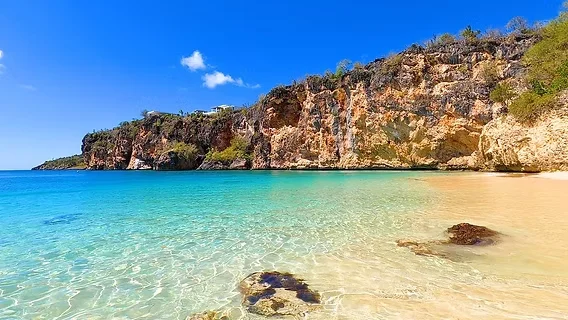
Little Bay requires actual effort to reach, which is exactly why I love it. There is no road to the sand. You either come by boat or kayak, or you climb down the cliff face, which drops steeply to a small beach tucked between dramatic limestone walls. When I first made the descent I was convinced I had taken a wrong turn, but when I reached the bottom I found a pristine crescent of sand with turquoise water and absolutely no one else around.
The beach itself is small but stunning. Snorkeling is excellent right off the shore, with the fish sheltering along the base of the cliffs, and the caves and overhangs in the rock add a real sense of adventure. I have spent entire afternoons here swimming and exploring, feeling like I had discovered something secret even though the beach is technically well known. Pelicans dive for fish right in front of you, and the water is usually calm because the bay is so enclosed.
Getting There
The most relaxed way to reach Little Bay is by kayak or paddleboard from neighbouring Crocus Bay, which takes about fifteen to twenty minutes along the cliffs in calm conditions. Some boat tours and water taxis also drop visitors here. The land route involves a steep scramble down the cliff with a rope for support, and it is only for people who are sure-footed and comfortable with heights. When I go that way, I wear proper shoes with grip and carry everything in a backpack so my hands are free.
Go in the morning, before the boat tours arrive, and pair it with lunch at Crocus Bay afterward. Paddle over, snorkel for an hour while the water is at its clearest, then paddle back for a well-earned meal on the sand. It turns a short outing into one of the best half-days on the island.
Do not attempt the cliff climb if you have mobility issues or a fear of heights, and never do it after rain when the rock is slippery. Some visitors jump from the cliffs into the water here; check the depth yourself and never jump alone. There are no facilities at the beach, so bring everything you need including water and snacks. I made the mistake once of assuming I would just run back up for my forgotten sunscreen. Never again.
Best For: Adventurous swimmers, kayakers, snorkelers, people seeking seclusion, and anyone who wants a beach that feels earned.
6. Experience the Art and Gallery Scene
Anguilla's Art Scene: Caribbean Creativity Worth Your Time
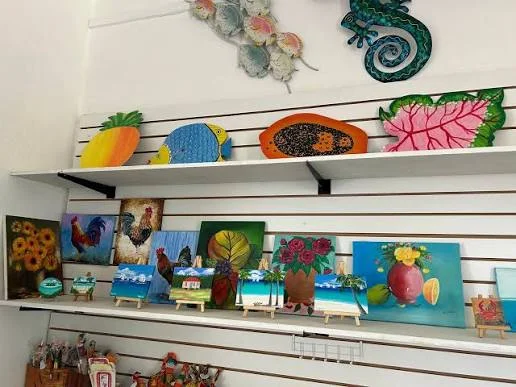
I was surprised to discover that Anguilla has a genuinely vibrant art scene. The island produces talented local artists, and there are galleries scattered throughout that showcase work ranging from traditional Caribbean paintings to contemporary sculpture and installation art. When I first visited these galleries, I expected them to be tourist traps full of mass-produced art. Instead I found real artists doing serious work.
The Anguilla National Trust, based in The Valley, is a good starting point for understanding the island's culture and heritage, and it can point you toward current exhibitions. Galleries in and around The Valley host rotating shows of local and Caribbean artists. I have seen everything from stunning landscape photography to abstract pieces that genuinely made me think about how I see the island differently.
Devonish Art Gallery is where I go when I want to buy something authentic to take home. The owner actually knows every artist whose work is displayed, and he will tell you the story behind each piece. I bought a painting of Shoal Bay from a local artist who had been painting the same beach for forty years, and every time I look at it I remember our conversation about how the light changes throughout the day.
What to Look For
Anguillan art tends to draw on the same things that make the island special: the sea, the salt ponds, the racing boats, and the quiet villages. Look for pottery and sculpture using local clay and stone, paintings of boat races and beach scenes, and prints that are easier to pack than a canvas. Many artists work from home studios, and a friendly question at a gallery will often lead to an invitation to visit one. Buying directly from the artist is the best souvenir Anguilla offers, and the money stays on the island.
Galleries on Anguilla keep short and sometimes irregular hours, especially outside peak season. Call or message ahead before driving across the island, and ask whether any open-studio events, exhibitions or cultural festivals are happening during your stay. Meeting working artists directly is one of my favorite experiences on the island.
Best For: Art lovers, souvenir hunters who want something meaningful, rainy-day plans, and travelers who want to connect with local creative culture.
7. Day Trip to Prickly Pear Cays
Prickly Pear Cays: Anguilla's Best Boat Day
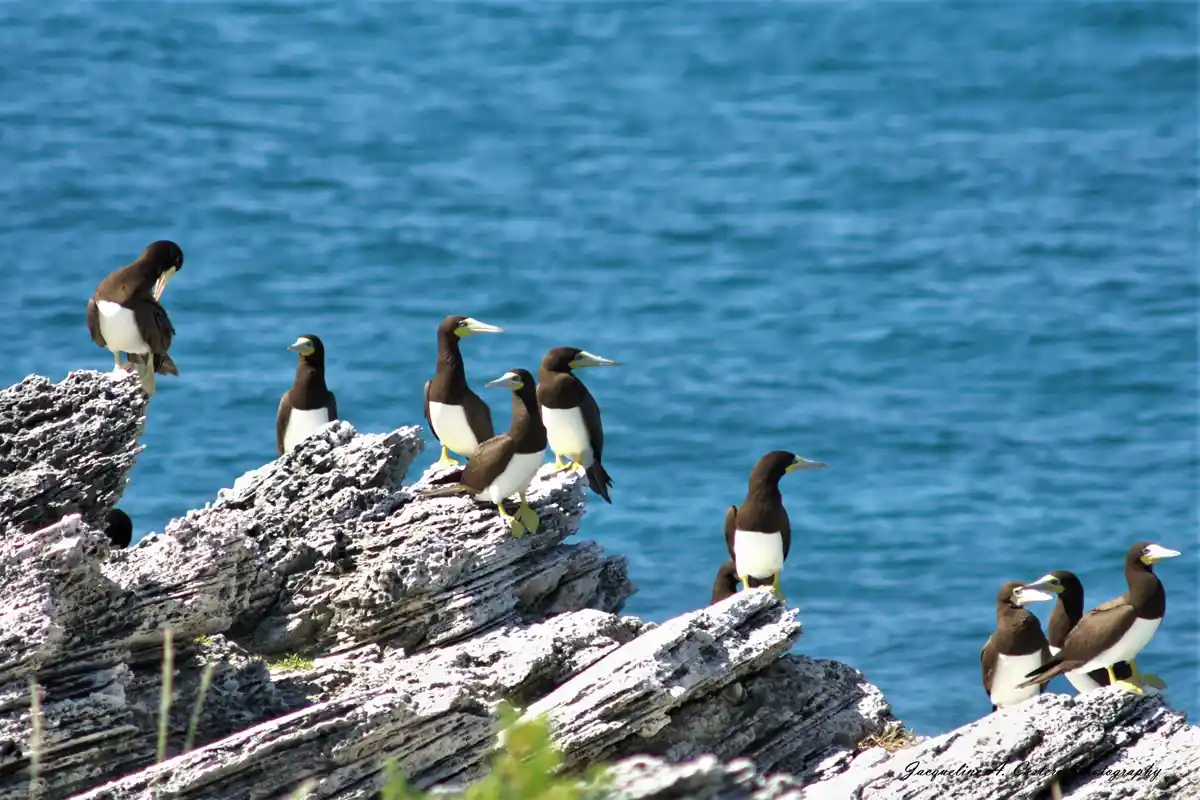
If you only do one boat trip in Anguilla, make it Prickly Pear. The two uninhabited cays sit a few miles off the north-west coast, and the western cay has a beach that rivals anything on the main island: bright white sand, brilliant water, and nothing on the horizon but sea and sky. The eastern cay is rockier and is an important nesting area for seabirds, so you will see boobies, terns and frigatebirds wheeling overhead.
The trip itself is part of the fun. Most boats leave from Sandy Ground, and the crossing takes around 30 minutes on a catamaran, less on a speedboat. On the way you pass the cliffs of the north coast, and on calm days you may spot turtles surfacing near the boat. Once you arrive, the day is simple: swim, snorkel the reef around the cays, walk the beach, eat lunch, and nap in the shade.
The snorkeling around Prickly Pear is some of the best in Anguilla. The reef supports large schools of fish, and the sandy channels between coral heads are where I have seen rays hunting and nurse sharks resting. Because the area is a protected marine park, the reef is in better shape than many easier-to-reach sites.
How to Go
You have three options. A shared catamaran day sail is the most affordable, usually with lunch, drinks and snorkel gear included. A private boat charter costs more but lets you set the schedule and stop at other spots like Sandy Island or Little Bay on the way. A water taxi simply drops you off and picks you up at a set time, which suits people who want a quiet day without a group. In season there is also a beach restaurant on the cay, but confirm it is open before you rely on it.
Ask your captain to go early and head back mid-afternoon. The cays are most peaceful in the morning before other day boats arrive, and the late-afternoon ride home along the coast, with the sun lowering over the water, is one of the loveliest hours you will spend in Anguilla.
The crossing can be bumpy when the north swell is running, especially in winter. If you are prone to seasickness, take something before you leave and sit toward the back of the boat. There is almost no shade on the cay beyond what the restaurant or your boat provides.
Best For: Couples, snorkelers, groups of friends, birdwatchers, and anyone who wants a true desert-island day.
8. Spend an Evening in Sandy Ground and Sandy Island
Sandy Ground: The Island's Social Heart
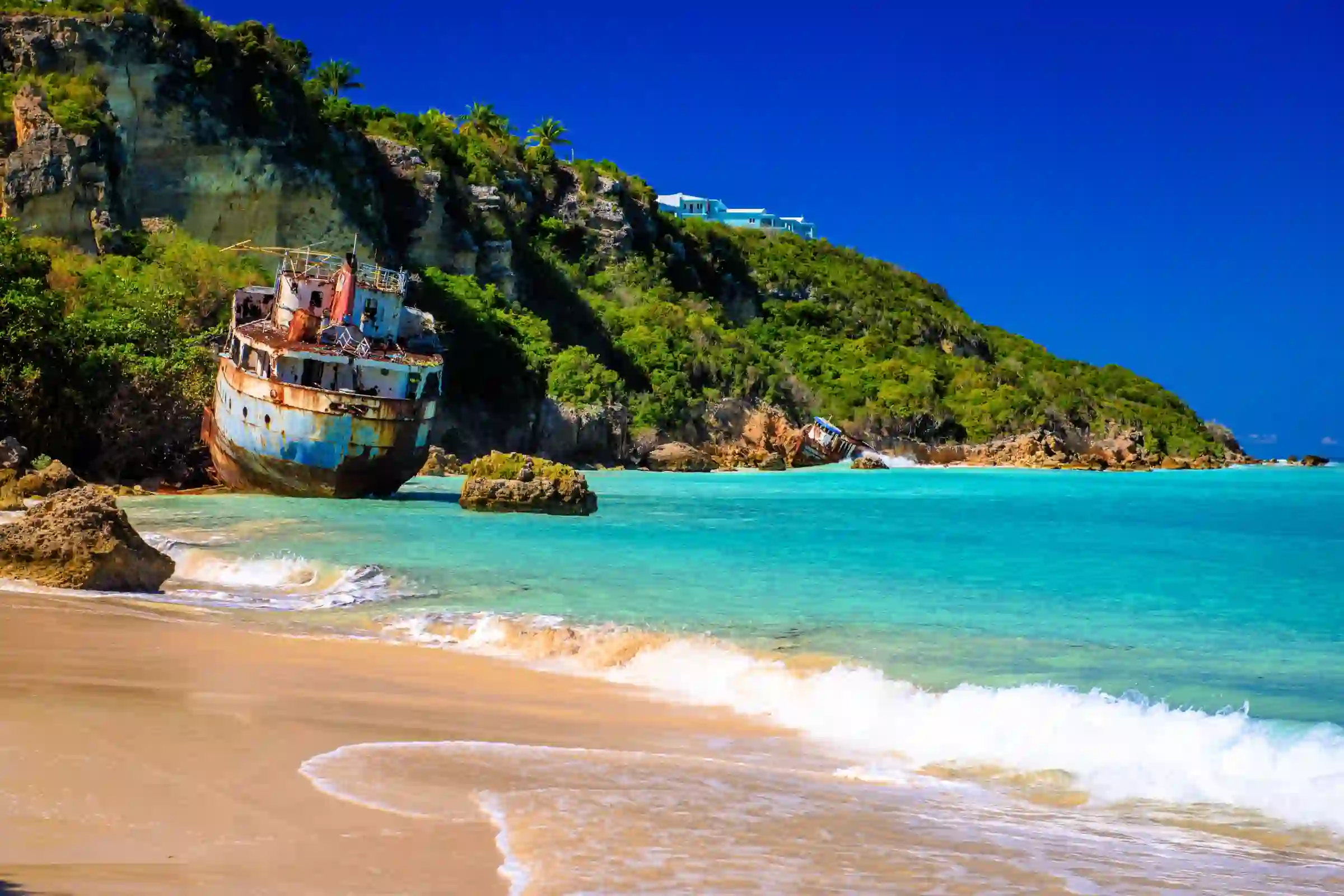
Sandy Ground is the closest thing Anguilla has to a nightlife district, and it is still wonderfully low-key. The village sits on a thin strip of land between Road Bay, where sailboats anchor in a sheltered harbour, and the large Road Salt Pond behind it. Salt was once one of Anguilla's main industries, and the old salt works are part of the village's story. Today the waterfront is lined with beach bars and restaurants, and the vibe shifts from lazy afternoon swims to live music after dark.
I like to arrive in the late afternoon, swim in the calm water of Road Bay, and then stay for sunset, which drops right over the anchorage. As the evening goes on, the music starts: reggae, soca and local bands depending on the night. Elvis' Beach Bar, with its bar built into a boat, is a long-standing favorite, and The Pumphouse, set inside part of the old salt factory, is where to go for live bands and a lively crowd. Nights here are about good music and rum punch, not bottle service.
Take the Boat to Sandy Island
Just offshore from Sandy Ground is Sandy Island, a tiny cay of sand ringed by reef. It is barely bigger than a football field, which is exactly its charm. A short boat ride from the pier takes you there, and you can spend a few hours snorkeling the surrounding reef, eating lunch at the seasonal beach restaurant, and enjoying the ridiculous feeling of being on a postcard. Hurricanes have reshaped the island more than once, and the restaurant and boat schedule can change, so check what is running before you go.
Plan your Sandy Ground night around the live music schedule, which is posted on the bars' social media pages and changes through the season. Book a taxi for the ride home in advance or have a designated driver. The roads are dark, narrow and on the left, and a taxi is well worth the cost after a long night.
Best For: Nightlife seekers, live music fans, sailors, couples wanting a fun evening out, and anyone who wants a relaxed social scene.
9. Walk Rendezvous Bay and Visit the Dune Preserve
Rendezvous Bay: Anguilla's Longest Beach
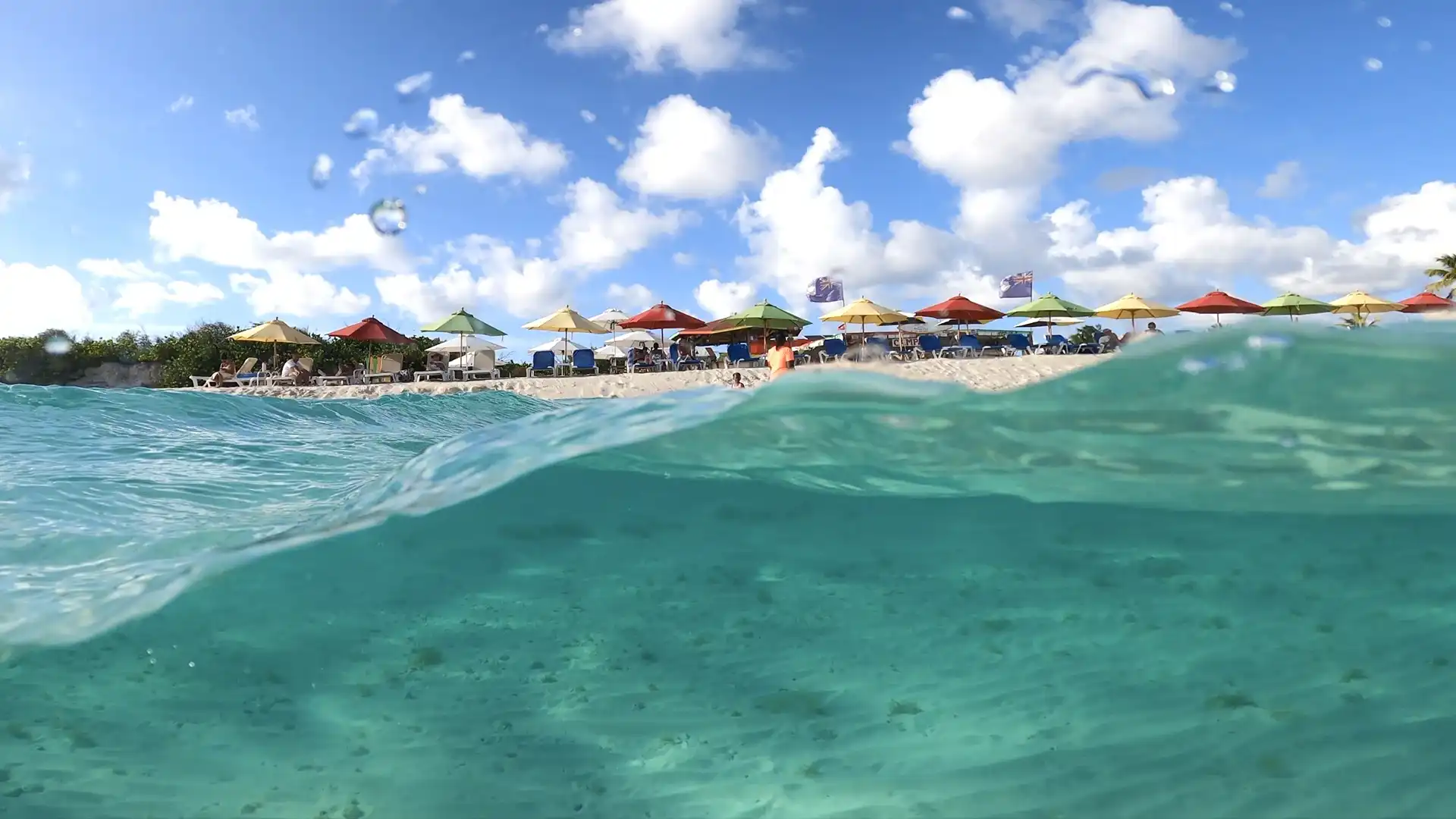
Rendezvous Bay is Anguilla's longest beach, a sweeping arc of pale sand on the south coast that runs for around two and a half miles. It is my go-to beach for long walks. You can set off from one end and walk for an hour, barely passing anyone, with the green hills of Saint Martin rising across the channel. The water is generally calm and shallow near the shore, which makes it good for wading and gentle swimming.
The beach has a handful of resorts along it, but because it is so long, it never feels crowded. It also has a different light from the north coast beaches. In the early morning the sun rises behind you and lights up Saint Martin across the water, and at the end of the day the western end catches a fine sunset.
The Dune Preserve
The most famous spot on Rendezvous Bay is the Dune Preserve, a beach bar and music venue created by Anguillan reggae musician Bankie Banx. It is built from driftwood, old boats and salvaged materials, and it feels like part sculpture, part bar, part living room. On the right night you will catch live music, and the atmosphere at sunset is unlike anywhere else on the island. The venue is also home to Moonsplash, a music festival that has traditionally been held around a full moon in spring. Check dates if you want to plan your trip around it.
Start a walk at the eastern end of Rendezvous Bay an hour before sunset, walk west along the water, and finish with a drink at the Dune Preserve as the sun goes down. Check opening hours and the music calendar before you go, because the bar keeps its own relaxed schedule.
Best For: Beach walkers, music lovers, photographers, couples, and anyone who wants space and quiet with a bit of character.
10. Discover Anguilla's History and Heritage
Heritage Sites: The Story Behind the Beaches
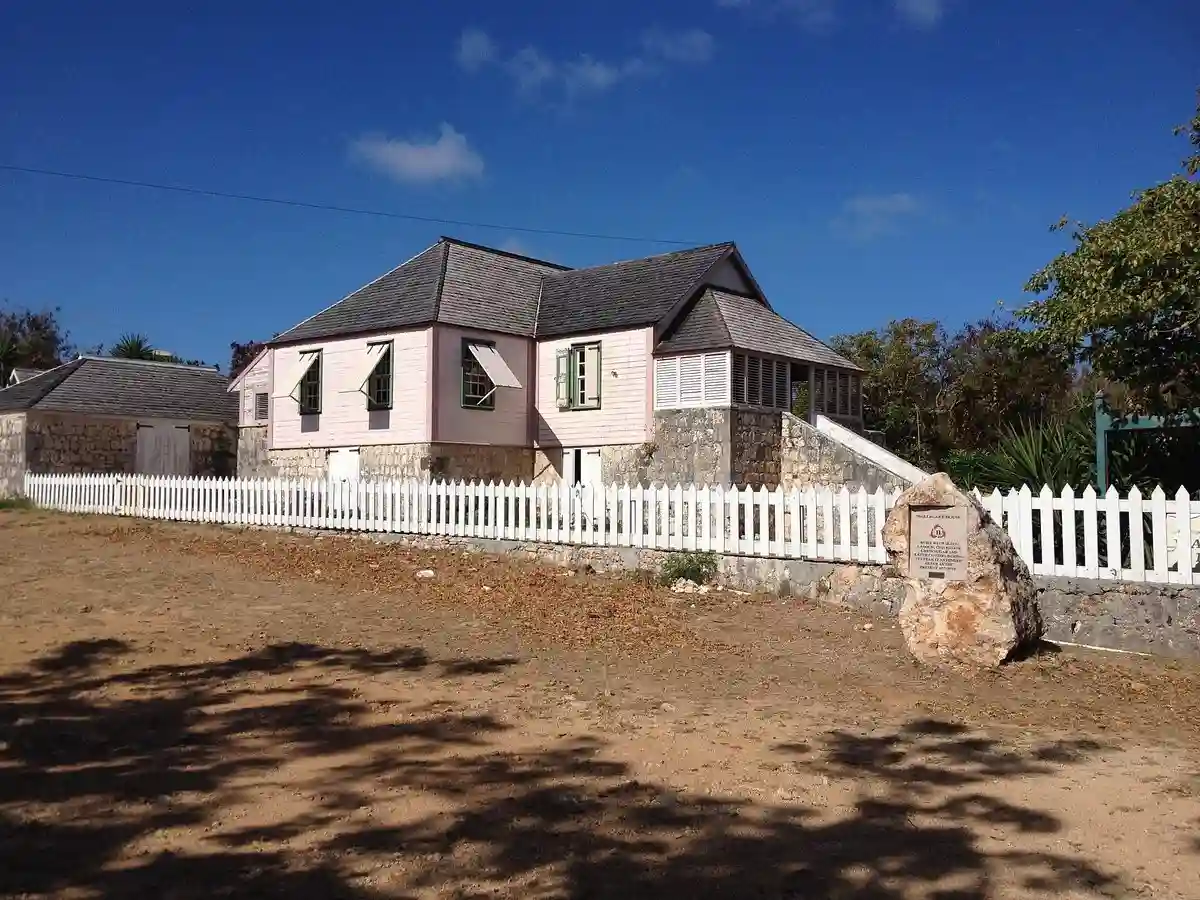
Most visitors never look beyond the beaches, and they miss a fascinating story. Anguilla was settled by Amerindian peoples long before Europeans arrived. The British colonized it in the seventeenth century, and the island's thin soil and dry climate meant plantations never thrived here as they did elsewhere. That shaped a society of small farmers, fishermen, sailors and salt workers. In 1967 Anguillans famously rebelled against being governed from St Kitts, an episode known as the Anguilla Revolution, which eventually led to the island becoming a separate British Overseas Territory. It is a surprisingly dramatic history for such a peaceful place.
Where to Go
Wallblake House in The Valley is the oldest surviving plantation house on the island, built in the late 1780s. The house and its grounds, including the kitchen, stables and slave quarters, give an honest picture of the island's colonial past. Next door, St Gerard's Catholic Church is worth a look for its unusual stone facade with open ventilation, designed to keep the building cool.
The Heritage Collection Museum in the East End area gathers photographs, documents and artifacts covering everything from Amerindian tools to the 1967 Revolution. It was founded by a local historian and feels deeply personal.
Big Spring in Island Harbour, mentioned earlier, has Amerindian petroglyphs carved into the rock. Fountain Cavern National Park near Shoal Bay is one of the most important Amerindian ceremonial sites in the Caribbean, with a carved figure of the Taíno deity Jocahu, but access is restricted to protect it, so contact the Anguilla National Trust to ask about visits.
Opening hours for heritage sites change often, and some operate by appointment only. Call ahead or contact the Anguilla National Trust before you go. Heritage sites are a perfect plan for a cloudy or rainy morning, and you can combine Wallblake House with lunch in The Valley.
Best For: History lovers, curious travelers, families with older children, and anyone wanting to understand Anguilla beyond its beaches.
11. Watch the Boat Races and Summer Festival
Boat Racing: Anguilla's National Sport
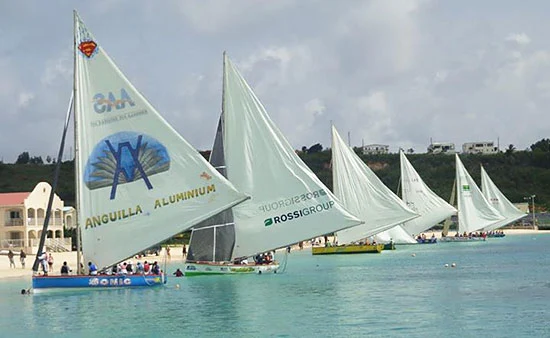
If you want to see Anguilla at its most passionate, go to a boat race. Racing is the national sport here, and it grew out of the island's history of fishing and sailing. The boats are traditional wooden sloops, locally built, with huge sails and crews of several people who shift their weight and throw out ballast as the race goes on. Each boat has a name, a following and a history, and island loyalties run deep.
Races take place through the year, but the biggest are held during the Anguilla Summer Festival, which runs from late July into early August around Emancipation Day. Festival is the island's carnival, with parades, music, pageants, J'ouvert morning celebrations and beach parties. Races are also traditionally held on public holidays like Anguilla Day on May 30.
How to Watch
Crowds gather on beaches along the race course, with Sandy Ground being one of the most popular spots, especially for race finishes. The atmosphere is festive, with food stalls, music, and families cheering on their favorite boats. For a more thrilling view, some operators and locals take spectators out on boats to follow the race, which is an unforgettable experience if you can arrange it.
If you are visiting during Summer Festival, book accommodation and rental cars early. It is one of the busiest times of the year for Anguillans returning home, and the island fills up. Ask locals which boat they are supporting; it is the quickest way to start a great conversation.
Summer Festival falls in hurricane season. It is usually fine, but buy travel insurance and keep an eye on the forecast in the weeks before you travel.
Best For: Culture seekers, festival lovers, sailors, photographers, and anyone who wants to see how Anguillans celebrate.
More Things To Do If You Have Time
These did not make my top eleven, but each one is worth adding if it matches what you enjoy.
Scuba Diving the Wrecks
Several ships have been sunk off Anguilla as artificial reefs, and they now support corals and fish. Local dive shops run trips for certified divers and beginner courses.
Day Trip to Saint Martin
The ferry from Blowing Point to Marigot takes about 25 minutes. Spend the day shopping, eating in Grand Case, or exploring both sides of the island.
Eat Your Way Around the Island
Anguilla is famous for its food, from roadside barbecue and johnnycakes to crayfish, lobster and fine dining. Make eating a real part of your plans.
Horse Racing
Local horse races are held on certain holidays and draw lively, family-friendly crowds. Ask locally for dates during your visit.
Fishing Charters
Go out with a local captain for deep-sea or reef fishing, then ask a restaurant to cook your catch for dinner.
Kayak and Paddleboard
Calm bays like Crocus Bay, Meads Bay and Road Bay are perfect for paddling, and many resorts include kayaks and boards for guests.
Best Time to Visit for Each Activity
Anguilla is warm all year, but the season changes what you can do and how busy it feels. Here is how I plan around it.
| Season | Months | Weather | Best For |
|---|---|---|---|
| Peak season | Mid-Dec to April | Dry, sunny, breezy | Beaches, boat trips, dining; book early |
| Shoulder season | May to mid-June | Hot, mostly dry, calm seas | Snorkeling, value stays, Anguilla Day races |
| Festival season | Late July to early August | Hot, occasional storms | Summer Festival and boat racing |
| Quiet season | September to October | Peak hurricane risk | Low prices; many businesses close |
| Early season | November to mid-Dec | Drying out, warm water | Quiet beaches before the crowds |
My Practical Tips for Doing Anguilla Right
- 1Rent a car. Anguilla is small but spread out, and taxis add up fast. A car lets you beach-hop freely. Remember to drive on the left and get the temporary permit, which rental companies usually handle.
- 2Group activities by area. Pair Shoal Bay East with Island Harbour and Big Spring, Meads Bay with Little Bay and Crocus Bay, and Rendezvous Bay with Sandy Ground.
- 3Book boats and dinners ahead in peak season. Popular restaurants and boat trips fill up from Christmas to April.
- 4Bring your own snorkel gear. Many of the best reefs are a short swim from shore, and having your own mask means you can snorkel whenever the water looks good.
- 5Carry some cash. Cards are widely accepted at resorts, but small bars, roadside barbecue stands and boat operators may prefer cash in US or EC dollars.
- 6Check opening days. Many restaurants and attractions close one or two days a week, and some close entirely in September and October.
Common Questions About Things To Do in Anguilla
The questions I get asked most often, answered honestly from personal experience.
My Final Verdict on Things To Do in Anguilla
Anguilla is a deliberately unhurried island and the best things to do here reflect that. The activities are almost entirely beach and water-based, the pace is slow, and the highlight reel looks different from most Caribbean destinations. There is no zip-lining, no ATVing through jungles, and no historical mega-sites. What there is are world-class beaches, exceptional snorkeling, desert-island boat days, brilliant food, a proud local culture, and a level of peace that is increasingly hard to find anywhere.
My honest advice is to spend at least half of your trip on the beaches and in the water, with the rest split between great restaurants, a boat day, and gentle exploring. Resist the urge to fill every hour. The best Anguilla experiences come from slowing down enough to notice what is already there.
See My Full Anguilla Itinerary