
The 13 Best Things To Do in Martinique
My Personally Tested Top Picks
My guide to the best things to do in Martinique. Volcano hikes, white-sand beaches, rhum agricole, sea turtles and French Caribbean culture, all from personal experience.
Things To Do in Martinique The Honest Insider Guide
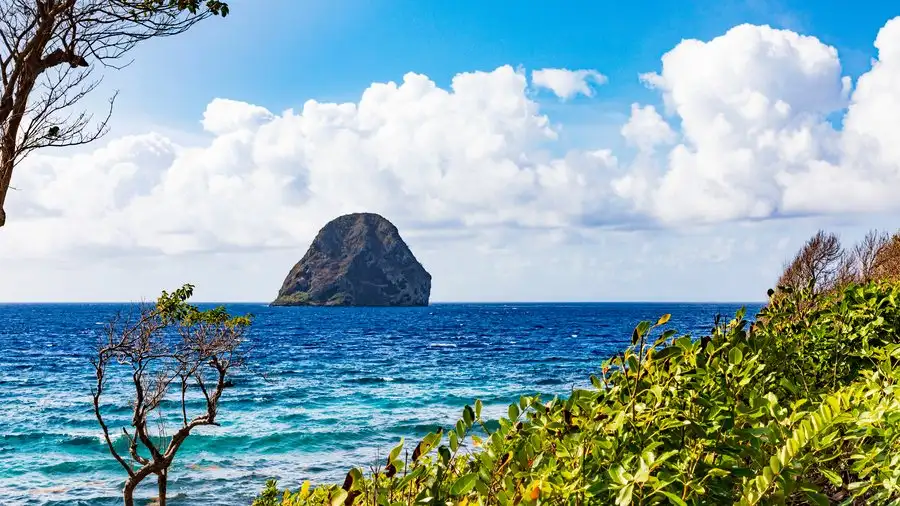
I've spent more time in Martinique than I care to admit to my bank account, and I can tell you with complete confidence that this island is criminally underrated. While everyone else is fighting crowds in Jamaica or St. Lucia, you could be sipping rhum agricole in a centuries-old distillery or swimming in some of the most stunning turquoise waters in the entire Caribbean. The thing about Martinique is that it feels more authentically French Caribbean than anywhere else I've visited, which means incredible food, sophisticated culture, and experiences that don't feel like they were designed by a cruise ship committee.
When I first arrived in Martinique five years ago, I expected another typical island getaway. Instead, I found myself completely charmed by the blend of European elegance and Caribbean soul. The beaches are exceptional, the hiking is world-class, and the people are genuinely warm once you make an effort with the French language. I'm writing this guide directly to you because I want you to skip the tourist traps I've wasted time on and head straight to the experiences that will actually stay with you long after your tan fades.
Looking for the best things to do in Martinique? You're in the right place. I've narrowed down my favorite activities into this ranked list based on genuinely unforgettable moments. Some are classics for a reason. Others are hidden gems that most visitors completely miss.
The Quick Answer: Martinique's best activities are hiking Mont Pelée and the Pitons du Carbet, spending a day at Les Salines, taking a boat to Diamond Rock, touring the rhum agricole distilleries, snorkeling with sea turtles at Grande Anse d'Arlet and Anse Dufour, exploring the volcanic ruins of Saint-Pierre, wandering Fort-de-France, driving the Route de la Trace to the Jardin de Balata, and wading in the shallow Fonds Blancs. Your actual experience depends on whether you want adventure or pure relaxation, and ideally, you'll mix both.
Martinique at a Glance
1. Hike Mont Pelée and the Pitons du Carbet
Martinique's Volcanic Peaks
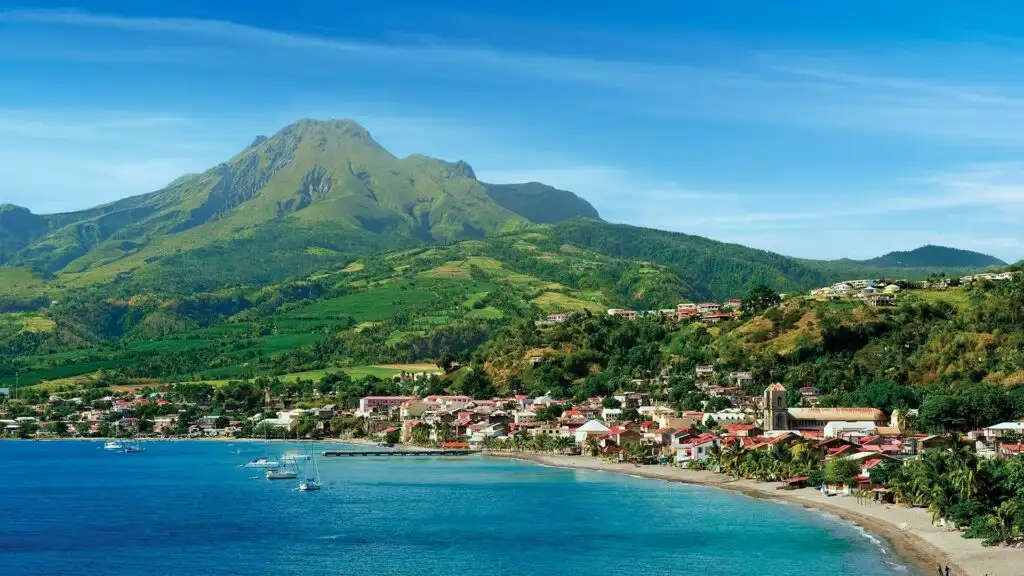
I'll be honest: the Pitons du Carbet nearly broke me the first time I hiked them, and I've been hiking since childhood. But standing on a summit with clouds swirling around you and the island spreading out below is genuinely one of the most transcendent moments I've experienced in the Caribbean. This isn't a leisurely nature walk. This is a proper mountain adventure.
The Pitons du Carbet are a cluster of steep volcanic peaks in the center-north of the island, the highest reaching around 1,200 meters. Trails climb through dense rainforest and are steep, muddy when wet and rope-assisted in places. I've done them three times, and each time the weather was completely different. Mont Pelée, the island's highest point at about 1,400 meters, is the other great hike. The most popular route starts from the Aileron parking area near Le Morne-Rouge and climbs to the rim of the volcano that destroyed Saint-Pierre in 1902. Since 2023, the volcanoes and forests of Mont Pelée and the Pitons du Carbet have been a UNESCO World Heritage Site.
Allow four to five hours round trip for either hike, depending on your fitness and the route. I recommend hiring a local guide, especially for the Pitons, because junctions can be confusing and having someone explain the medicinal plants and volcanic geology makes the experience richer.
Start extremely early, around 6 AM. Clouds roll in by mid-morning, and you'll spend the second half of your hike in fog wondering why you bothered. I learned this the hard way. Bring more water than you think you'll need, a light rain jacket, and a warm layer; it can be surprisingly cool at the top.
Trails can close after landslides or heavy rain, so check current conditions with the local tourist office or national forest office before you go. Do not attempt these hikes in poor weather or without proper footwear.
Best for: Serious hikers, nature lovers and photographers who want to earn their views. If walking around a resort pool counts as your workout, maybe skip this one.
2. Spend a Full Day at Les Salines Beach
Martinique's Most Famous Beach
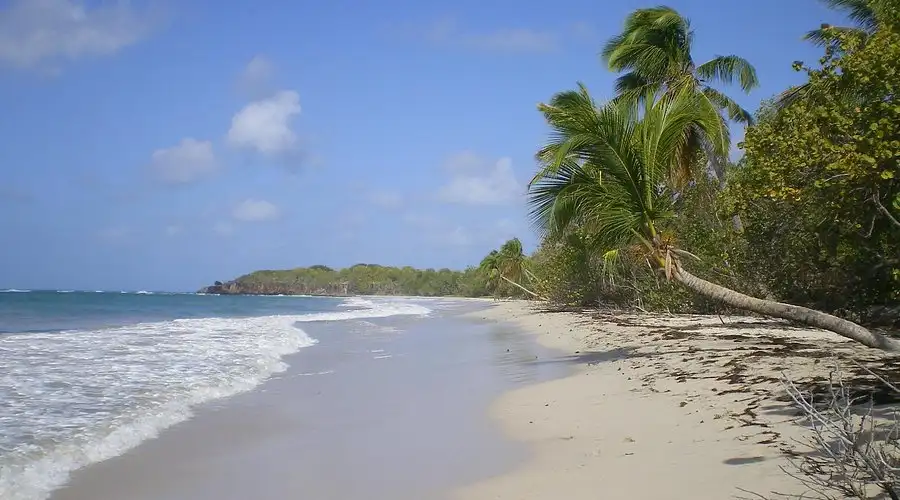
Les Salines is the beach you've been dreaming about. The sand is white and fine, the water is that almost-unreal turquoise, and coconut palms lean over the shore along the island's southern tip near Sainte-Anne. I've visited this beach dozens of times, and I've never once found it disappointing, even when it's busy.
What makes Les Salines special isn't just the beauty. It's the sense of space. The beach is long enough that you never feel cramped, and the water stays shallow a long way out, so you can wade and float for hours. Behind the beach lies a salt pond that gives Les Salines its name. At weekends, local families bring picnics and music, which gives the place a lively, friendly atmosphere.
The ends of the beach are generally quieter, while the area near the parking lots and food trucks is more social. I typically alternate between swimming and reading all day, and my favorite moment is late afternoon, when the light turns golden.
Arrive by 8:30 AM in high season to secure parking and a shady spot under the palms. Pack your own picnic from a bakery in Sainte-Anne; the food trucks are convenient but pricey. Walk along the coastal path from Les Salines to explore quieter coves nearby.
The sun is intense and shade under the palms goes fast. Watch out for manchineel trees near some beaches in Martinique; they are often marked with red paint. Do not shelter under them in the rain, and never eat their small green apples, which are toxic.
Best for: Everyone, from solo travelers to families to couples. It's the rare beach that genuinely appeals to all ages.
3. Visit Diamond Rock for Adventure and History
The Rock That Became a Warship
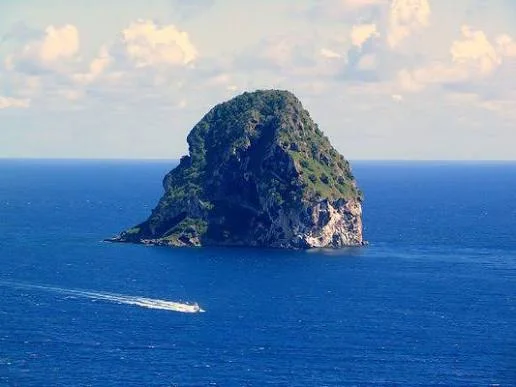
Diamond Rock, or Rocher du Diamant, is one of those places that seems impossible until you see it up close. It's a massive volcanic outcrop rising about 175 meters straight out of the sea off the town of Le Diamant. In 1804, during the Napoleonic Wars, the British Navy hauled cannons onto the rock and registered it as a ship, the "HMS Diamond Rock," using it to harass French shipping until the French recaptured it in 1805. The story is wonderfully eccentric.
Today, the rock is a protected nature reserve for seabirds, and landing on it is not permitted. The best way to experience it is by boat from Le Diamant or Les Anses-d'Arlet, often combined with snorkeling along the coast. For certified divers, the waters around Diamond Rock are one of Martinique's most famous dive sites, with a swim-through cave, dramatic rock walls, and large schools of fish. Currents can be strong, so it's a dive for experienced divers.
From land, the rock makes a stunning backdrop. Le Diamant beach is a long stretch of sand facing the rock, perfect for sunset views, though swimming can be rough.
Book a small-group or private boat tour rather than a large catamaran, so you have flexibility to linger. For the best photos from land, go to the viewpoint on the road above Le Diamant, or watch the sunset from the beach.
Le Diamant beach has strong waves and currents. Swim only when conditions are calm, and never swim far from shore.
Best for: Divers, history lovers, photographers and adventurous travelers.
4. Tour the Rhum Agricole Distilleries
Tasting the Spirit of Martinique
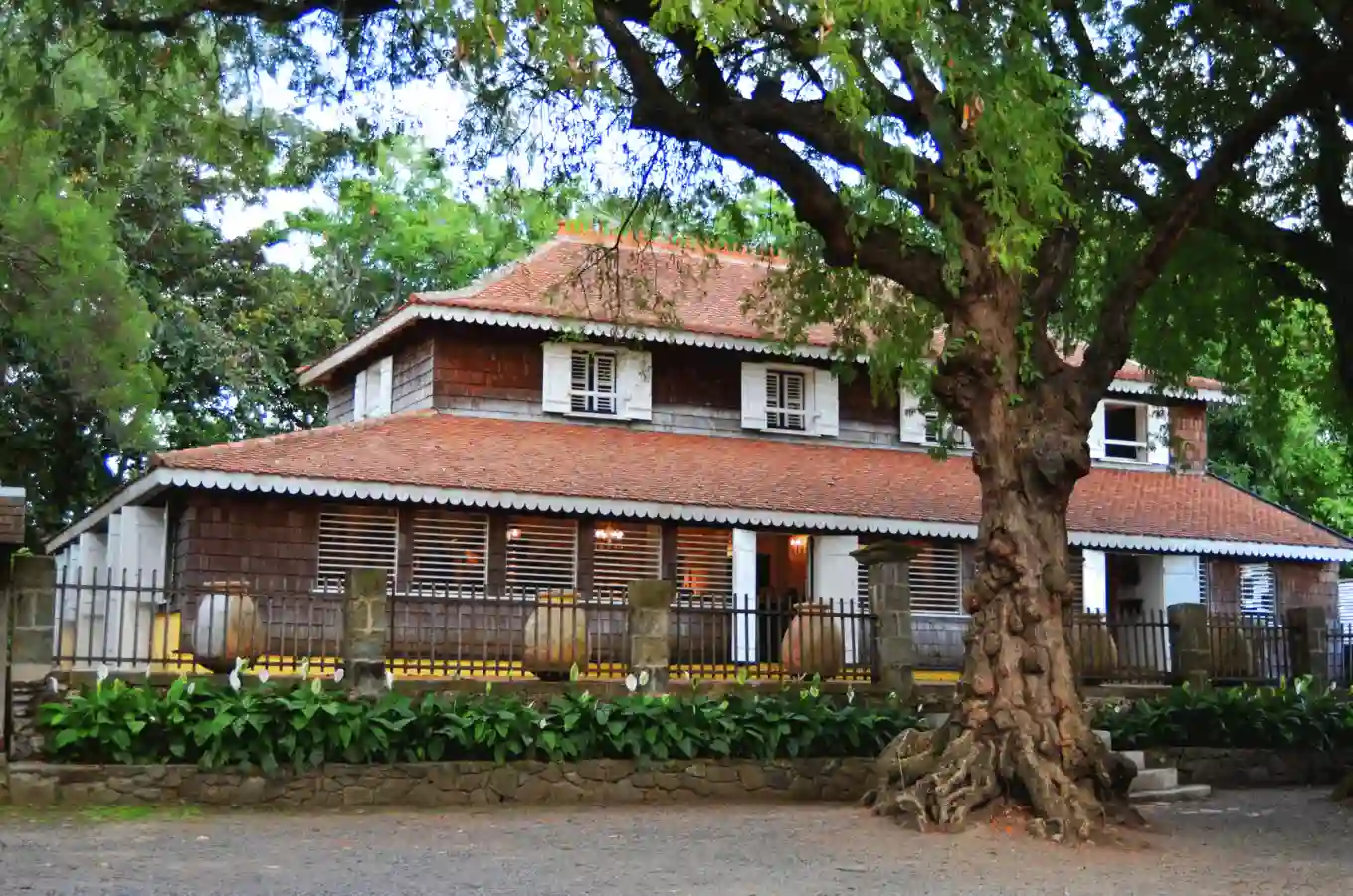
Martinique produces some of the finest rum in the world. Its rhum agricole is made from fresh sugarcane juice rather than molasses, which gives it a brighter, grassier and more complex flavor. Martinique's rum even has its own AOC (protected designation of origin), like French wines. Visiting a distillery here is less about getting drunk and more about understanding an entire culture and tradition.
Habitation Clément in Le François is my favorite overall. The estate has beautiful gardens, historic buildings, aging cellars and contemporary art exhibitions. Self-guided visits explain the whole process from cane to cask, and the tasting room lets you appreciate the different expressions. Depaz, near Saint-Pierre, sits in the shadow of Mont Pelée with spectacular views. Neisson in Le Carbet is a smaller, family-run distillery known among connoisseurs, where you see real production rather than a polished show. Habitation Saint-Étienne in Gros-Morne has lovely grounds and a peaceful atmosphere.
Harvest and distilling season generally runs from about February to June, when you'll see the mills and stills in action.
Skip the sweet rum punch and taste the agricole expressions neat or with a little water, then try a "ti' punch," the island's classic mix of white rum, lime and cane sugar. Plan distilleries by region: Clément and Saint-Étienne in the center and east, Depaz and Neisson in the north with Saint-Pierre. Have a designated driver.
Best for: Spirits lovers, history enthusiasts and anyone interested in agricultural traditions. Even non-drinkers will enjoy the estates and history.
5. Swim With Sea Turtles at Grande Anse d'Arlet and Anse Dufour
Turtle Bays of the Southwest Coast
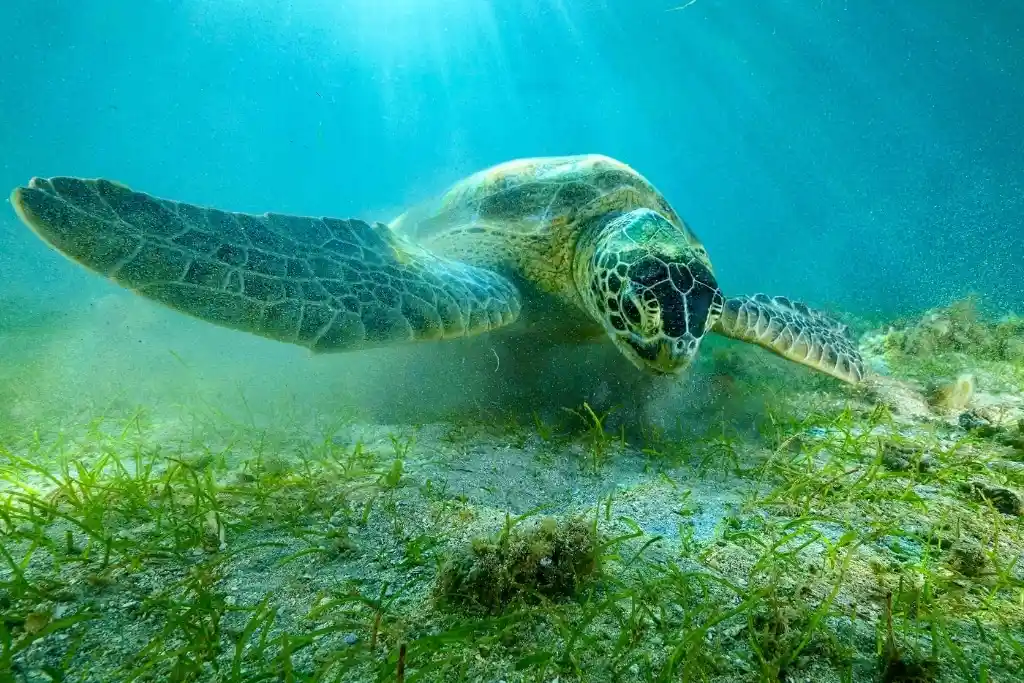
I've swum with sea turtles in many Caribbean locations, and Martinique's southwest coast is one of my favorites. There's something magical about floating above a turtle as it grazes on seagrass, surfaces for air, and goes about its business completely unbothered.
Grande Anse d'Arlet is a lovely fishing village with a long beach, a small church and a jetty, and green turtles regularly feed on the seagrass beds close to shore. I've seen them on most visits, often within minutes of getting in. Nearby, Anse Dufour is a small white-sand cove with fishing boats and more turtles, and right next door, Anse Noire has black volcanic sand and good snorkeling along the rocks. The contrast between the two tiny coves is striking.
The water in these bays is usually calm and shallow near shore, so the experience suits beginners too. Bring your own snorkel gear if you can, as rental quality varies.
Arrive early in the morning for calmer water, better visibility and fewer swimmers. Keep at least three meters from the turtles, never touch, chase or feed them, and let them swim to you. At Anse Dufour, stay within the marked swimming area and away from boats.
Parking at Anse Dufour and Anse Noire is very limited and the road down is steep. Arrive early or visit on a weekday. Watch for boat traffic when snorkeling.
Best for: Snorkelers of all levels, families with children who can swim, wildlife lovers and underwater photographers.
6. Explore Saint-Pierre and Its Volcanic Past
The "Pompeii of the Caribbean"
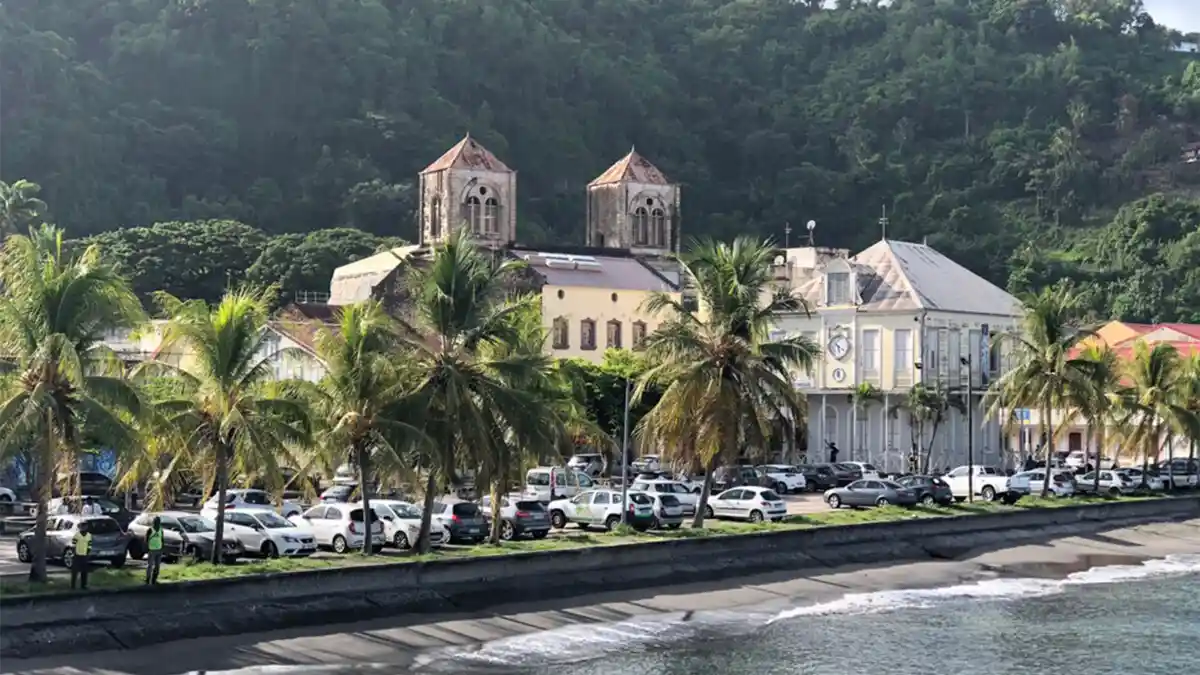
Saint-Pierre was once the cultural and economic capital of Martinique, sometimes called the "Paris of the Caribbean." On May 8, 1902, Mont Pelée erupted, and a cloud of superheated gas and ash swept through the town, killing nearly its entire population of around 28,000 people within minutes. It is one of the deadliest volcanic disasters of the twentieth century.
Today, Saint-Pierre is a quiet town rebuilt among the ruins, and walking through it is a moving experience. See the remains of the old theater, the ruined church, and the prison cell where Louis-Auguste Cyparis, one of the few survivors, was held in a thick-walled cell that shielded him. The town's memorial museum tells the story through photographs, objects and survivors' accounts.
Beneath the bay lie shipwrecks sunk during the eruption, which are now popular dive sites for experienced divers.
Combine Saint-Pierre with the Depaz distillery and a hike on Mont Pelée for a full day in the north. Take a guided tour or the small tourist train for context, and visit the memorial museum first to understand what you're seeing in the ruins.
Best for: History lovers, divers, families with older children and anyone curious about volcanoes.
7. Wander Fort-de-France
Markets, Monuments and Creole Culture
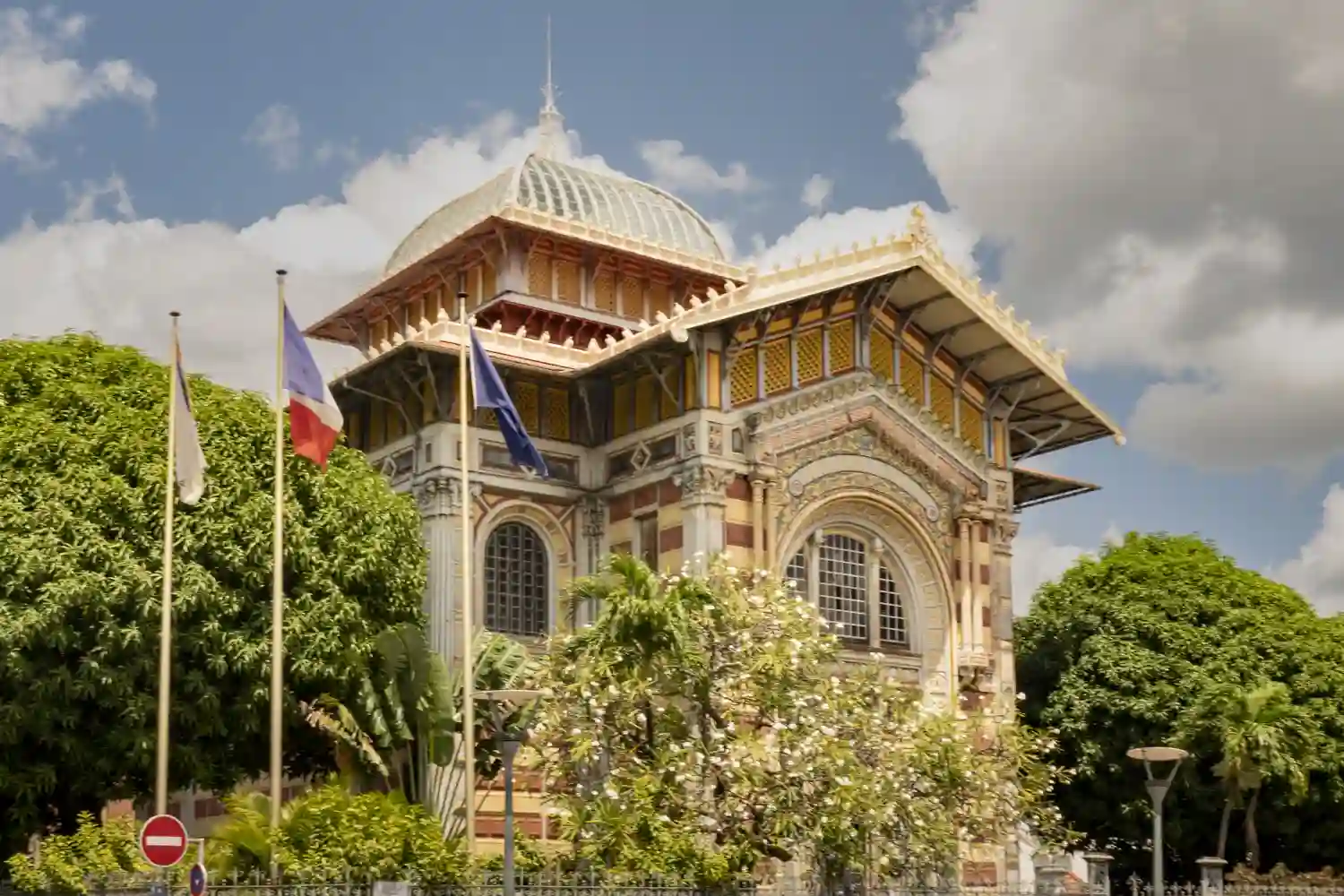
Martinique's capital, Fort-de-France, is lively, busy and full of character. Many visitors skip it, but it's worth half a day to understand the island's culture beyond the beaches.
Start at La Savane, the large waterfront park, then visit the Schoelcher Library, an ornate building designed in France and shipped to Martinique in pieces in the late 1800s. Nearby, the Saint-Louis Cathedral has an unusual iron structure built to withstand earthquakes. Fort Saint-Louis, still an active naval base, overlooks the bay and can be visited on guided tours.
Don't miss the Grand Marché, the covered market, where vendors sell spices, fruit, vegetables, rum punches and local crafts. It's colorful and fun, and a great place to buy vanilla, cocoa sticks and spice mixes. Fort-de-France is also closely associated with the poet and politician Aimé Césaire, a central figure in Caribbean literature and the Négritude movement.
Take the ferry from Les Trois-Îlets or Pointe du Bout to Fort-de-France instead of driving. It avoids traffic and parking, and the ride across the bay is beautiful. Visit on a weekday morning, since many shops close early on Saturday and most are closed on Sunday.
Best for: Culture lovers, shoppers, foodies, history enthusiasts and rainy days.
8. Drive the Route de la Trace to Jardin de Balata
Rainforest, Gardens and Waterfalls
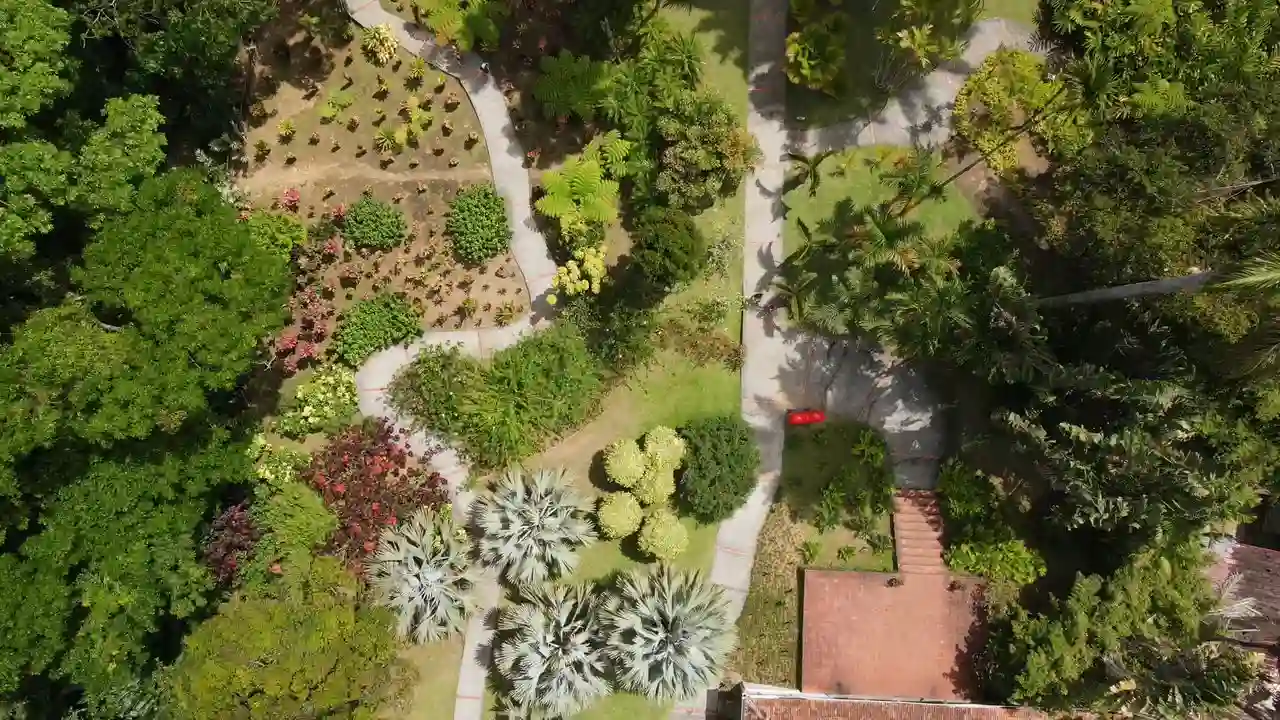
The Route de la Trace is a winding mountain road that runs from Fort-de-France through the rainforest to the north of the island, following an old path cut by Jesuit missionaries. It's one of the most beautiful drives in the Caribbean, lined with giant ferns, bamboo and towering trees.
Just north of Fort-de-France, the Jardin de Balata is a stunning botanical garden with thousands of tropical plants, including heliconias, orchids, palms and bromeliads, arranged around a Creole house. Its suspended walkways through the treetops offer wonderful views of the garden and the Pitons du Carbet beyond. Hummingbirds are everywhere.
Further along the Route de la Trace, stop at the Sacré-Cœur de Balata, a smaller replica of the Paris basilica set against the mountains. For waterfalls, look for trails such as the Saut du Gendarme and the Cascade Couleuvre in the north, or try canyoning at the Gorges de la Falaise.
Visit the Jardin de Balata early in the morning, when it's cooler and the birds are most active. Drive the Route de la Trace in daylight and allow plenty of time; the road is narrow and winding. Bring a light jacket, since the rainforest is cooler and wetter than the coast.
Waterfall trails become slippery and dangerous after heavy rain, and rivers can rise quickly. Check conditions locally and avoid swimming in rivers during or after storms.
Best for: Nature lovers, garden enthusiasts, photographers, families and road trippers.
9. Wade in the Fonds Blancs and Joséphine's Bath
A Boat Trip From Le François
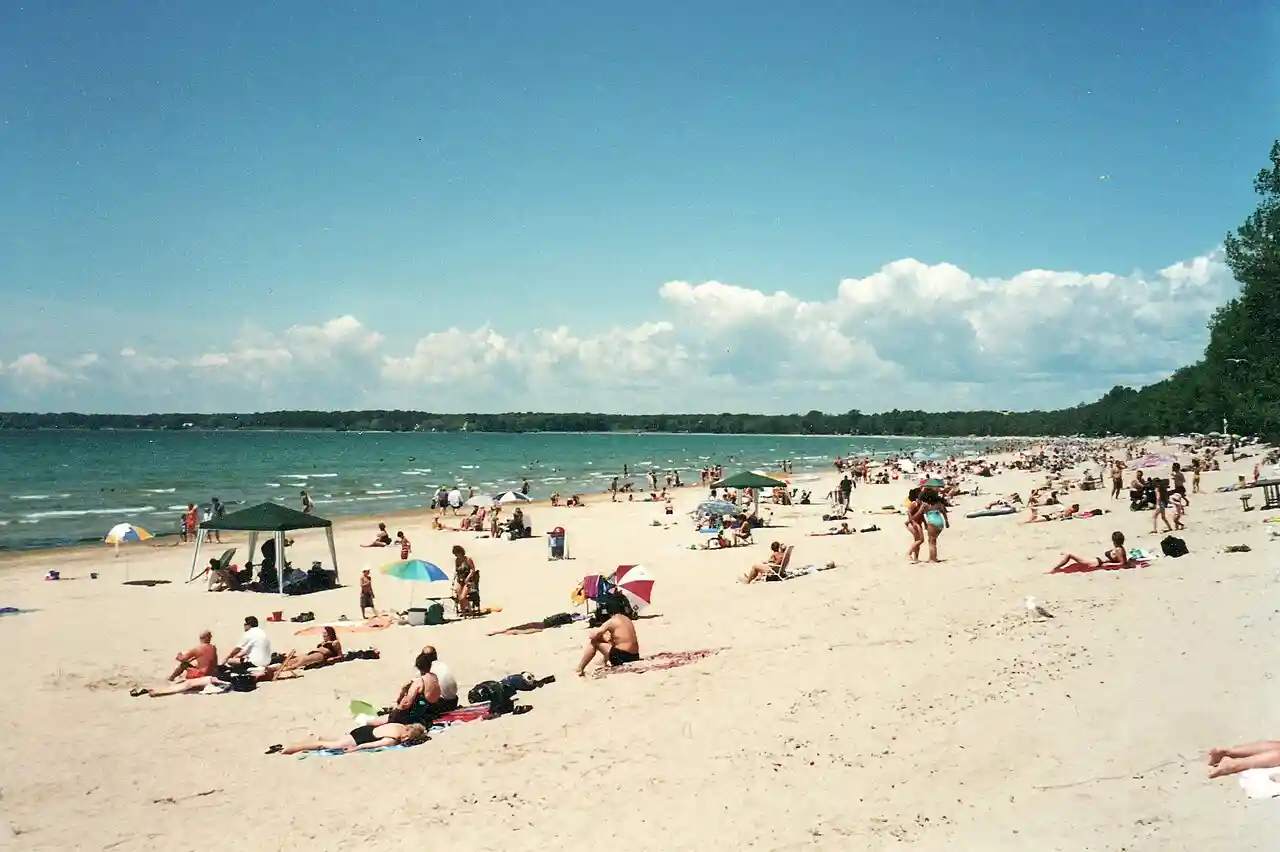
Off the Atlantic coast near Le François, a series of small islets, or îlets, are surrounded by shallow white-sand banks known as the Fonds Blancs. The water is so shallow that you can stand waist-deep in the middle of the sea, surrounded by turquoise water. The most famous spot is the Baignoire de Joséphine (Joséphine's Bath), named after Empress Joséphine, Napoleon's wife, who was born in Martinique and is said to have bathed here.
Boat trips from Le François take you out to the sandbanks and often include a stop at one of the îlets, sometimes with a visit to a historic house or a restaurant on an island. Many tours serve rum punch and snacks while you stand in the water, which makes for a fun, social experience.
Choose a smaller boat and go in the morning, before the larger groups arrive. Wear water shoes, since there can be seagrass and the occasional sea urchin. Combine the trip with a visit to Habitation Clément in Le François.
Best for: Families, couples, groups of friends, non-swimmers and anyone wanting a relaxed, unique day on the water.
More Things To Do If You Have Time
These did not make my top nine, but each is worth adding if it fits your trip.
Presqu'île de la Caravelle
A peninsula on the Atlantic coast with hiking trails, mangroves, and the ruins of Château Dubuc.
Domaine de la Pagerie
The birthplace of Empress Joséphine in Les Trois-Îlets, now a small museum.
Îlet Chancel
An island off Le Robert, home to rare iguanas and historic ruins.
Kitesurfing at Le Vauclin
Pointe Faula's shallow lagoon is a great spot for kitesurfing and windsurfing lessons.
Tour des Yoles Rondes
Traditional sailing races around the island, held each summer, with passionate crowds.
Carnival
Martinique's Carnival fills the streets with parades, music and costumes before Lent.
Best Time to Visit for Each Activity
Martinique is warm all year, but its dry and wet seasons make a real difference to hiking and beach days.
| Season | Months | Conditions | Best For |
|---|---|---|---|
| Dry season (Carême) | December to April | Sunny, breezy, less rain | Hiking, beaches, Carnival; book early |
| Harvest season | February to June | Mostly dry and warm | Seeing distilleries in production |
| Early wet season | May to July | Warm, more showers | Snorkeling, lower prices, Tour des Yoles |
| Wet season (Hivernage) | August to November | Humid, rainy, hurricane risk | Lush waterfalls, quiet beaches |
My Practical Tips for Doing Martinique Right
- 1Rent a car. Public transport is limited. A car lets you explore the north and south at your own pace. Avoid driving near Fort-de-France at rush hour.
- 2Learn some French. English is not widely spoken outside tourist areas. A few basic phrases go a long way.
- 3Plan by region. Spend some days in the north for hiking, rainforest and Saint-Pierre, and others in the south for beaches and turtles.
- 4Know the opening hours. Many shops and restaurants close in the early afternoon and on Sundays, following French customs.
- 5Beware of manchineel trees. They are common along beaches, often marked with red paint. Never shelter under them in the rain or eat their fruit.
- 6Eat Creole food. Try accras (fritters), colombo (curry), and fresh fish at local restaurants and roadside stands.
Common Questions About Things To Do in Martinique
The questions I get asked most often about things to do in Martinique, answered honestly from personal experience.
My Final Take on Things To Do in Martinique
Martinique packs an incredible variety of experiences into a relatively small island. In one trip you can hike a volcano, snorkel with sea turtles, taste world-class rum at the source, walk through the ruins of a lost city, eat Creole food that rivals anything in Paris, and relax on beaches ranging from white sand to volcanic black.
My advice is to balance active days with lazy beach afternoons. This island rewards both adventure and relaxation, and trying to do everything at full speed means missing the laid-back Caribbean vibe that makes Martinique special.
Plan Your Martinique Trip