The 13 Best Things To Do in Saint Barthelemy
What Is Actually Worth Your Time on an Island This Small
The things I genuinely recommend doing in Saint Barthelemy, from the harbour at Gustavia to the walk down to Colombier, plus honest notes on what to skip.
Things To Do in Saint Barthelemy The Honest Insider Guide
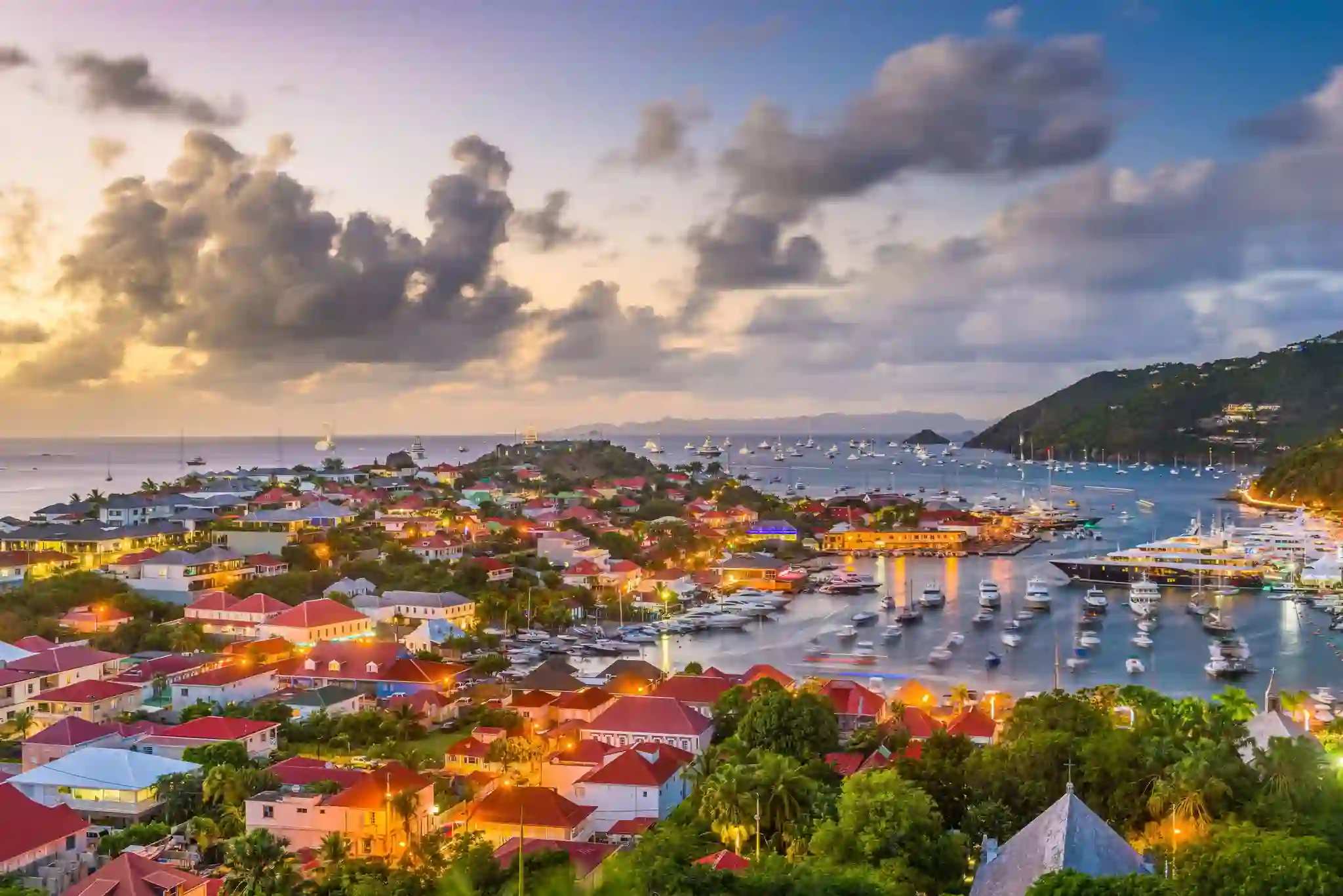
I have visited Saint Barthelemy more times than I can count, and every single trip reminds me why this island holds such a special place in my heart. When I first arrived, I expected another glossy Caribbean resort destination. Instead, I found something far more authentic: a genuinely French island with impeccable beaches, a charming harbour town, and a sophistication that rarely feels pretentious. The things to do in Saint Barthelemy are surprisingly varied for such a small island, ranging from world-class beach days to coastal walks that most visitors completely miss.
I have stayed in everything from beachfront villas to modest guesthouses. I have eaten at the high-end restaurants and the casual beach shacks. I have walked the trails, explored the bays by boat, and spent enough time in Gustavia's cafés to know which ones are worth it. I have also learned what to avoid and which experiences are genuinely worth your time.
The One Thing I Tell Every First Timer
The Quick Answer: The best things to do in Saint Barthelemy are relaxing at Shell Beach, exploring Gustavia and Fort Karl, walking to Colombier, spending a day at Saline, escaping to Gouverneur, snorkeling the marine reserve, taking a boat day, watching planes land at Saint-Jean, driving the wild Toiny coast, visiting the fishing village of Corossol, trying the island's surf and kite spots, eating very well, and shopping duty-free. The island is small enough to explore thoroughly in a week, but rich enough that you will want to stay longer.
Saint Barthelemy at a Glance
1. Relax at Shell Beach
Gustavia's Own Beach
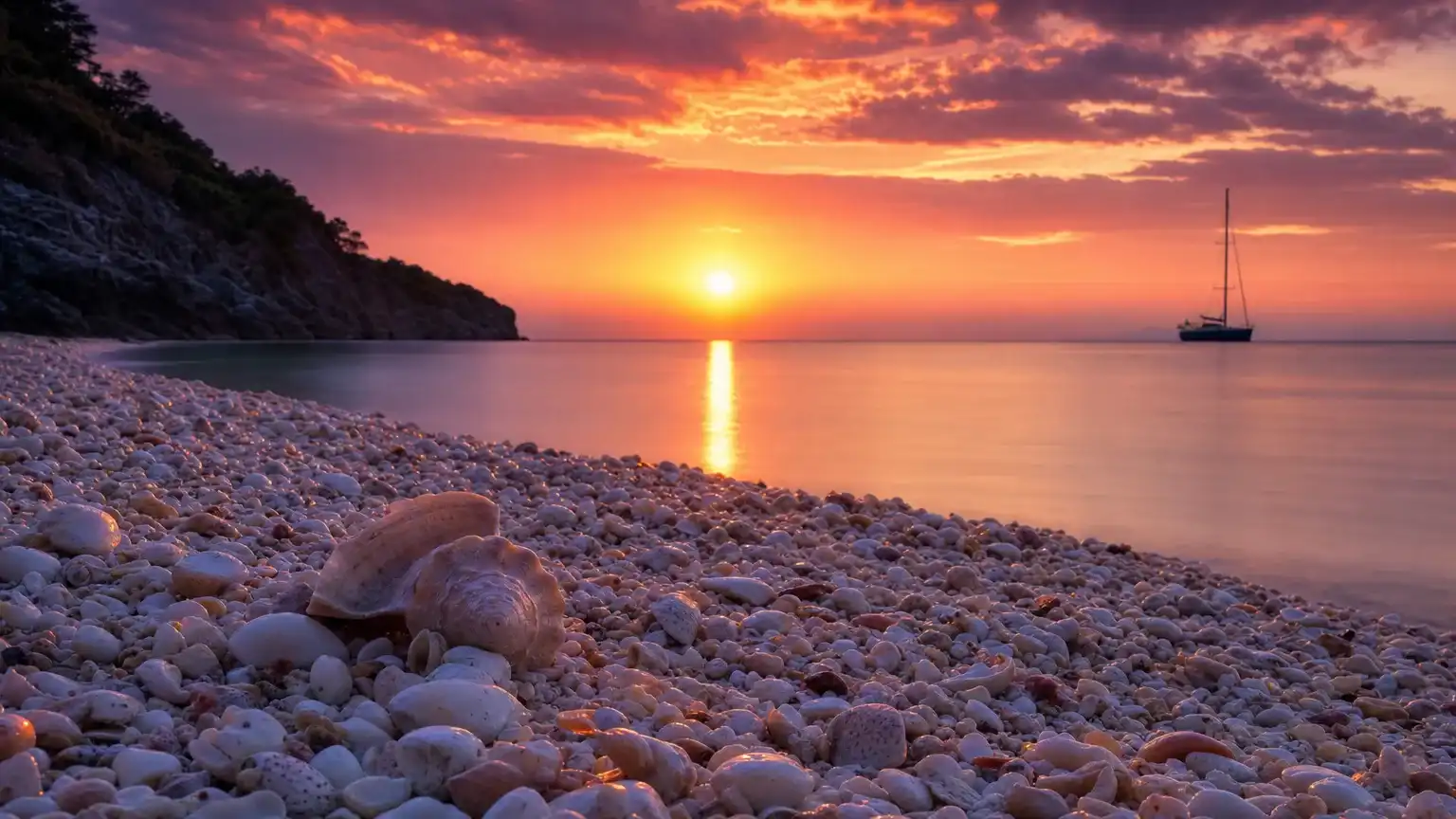
Shell Beach, officially called Anse de Grand Galet, is the easiest beach on the island to reach, just a short walk from central Gustavia. What makes it special is the sand itself: much of the beach is made up of countless tiny shells, from delicate spirals to broken fragments, which give it a slightly pinkish tone. The water is usually calm and sheltered, and the rocky outcrops at either end make for good snorkeling on quiet days.
Because it's so close to town, Shell Beach is perfect for an easy morning swim, a lunch break from shopping, or a sunset drink. There's a beach restaurant at one end, and you'll see a mix of visitors, residents and yacht crew. The cliffs above are home to Fort Karl, which offers some of the best views over the beach and the harbour.
Visit in the late afternoon, when the light hits the shells beautifully and the beach becomes a relaxed sunset spot. Wear water shoes, as the shells can be rough underfoot. Walk up to Fort Karl before or after your swim for the view.
Best for: Travelers staying in Gustavia, couples, sunset lovers, photographers, and anyone wanting an easy beach without a car.
2. Explore Gustavia Harbour and Fort Karl
The Soul of the Island
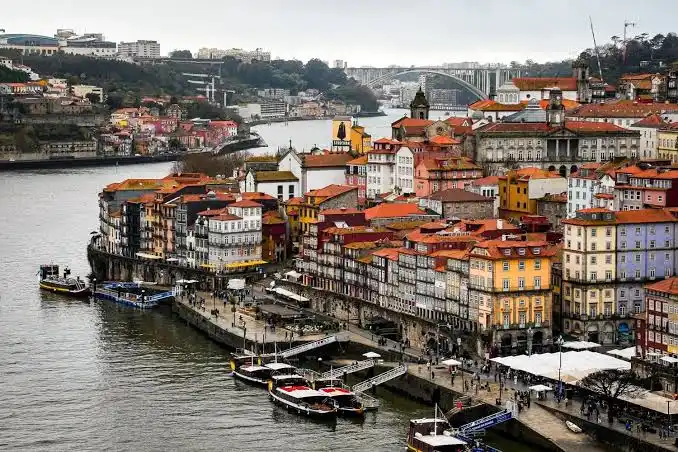
I have spent countless mornings wandering Gustavia's harbour, watching the fishing boats and ferries come and go while superyachts line the quay. This is where the soul of Saint Barthelemy lives. Gustavia is not a beach town. It is a working harbour with a decidedly French character, excellent restaurants, boutique shopping, and a pace of life that feels refined without being stuffy.
The town tells the story of the island's unusual history. Saint Barthelemy was a Swedish colony for nearly a century, from 1784 to 1878, and Gustavia is named after the Swedish king Gustav III. You'll see Swedish street names, stone buildings from that era, and a Swedish bell tower. The Wall House museum at La Pointe covers this history, and while it is small, it is genuinely interesting. The historic Anglican church and Catholic church are also worth a look.
Above the town, Fort Karl and Fort Gustave offer sweeping views over the harbour and neighbouring islands. Both are free and require only a short walk up.
Walk one street back from the main waterfront for quieter cafés and better value. Visit Gustavia in the morning when it is cooler and the harbour is calm, and return in the evening when the restaurants and bars come alive.
Best for: Visitors who enjoy French culture, history, fine dining and people-watching. Not the place for party nightlife.
3. Walk to Colombier Beach
The Island's Best Free Experience
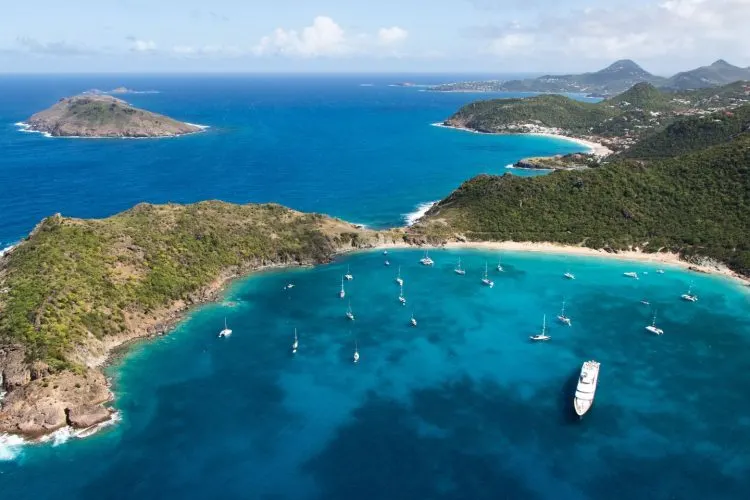
Most visitors to Saint Barthelemy never set foot on a trail. They sunbathe, they shop, they dine, but they do not explore on foot. This is their loss. The walk to Colombier Beach is one of the most rewarding things to do on the island, and I have done it dozens of times.
The most popular route starts at the end of the road at Petite Anse, near Flamands, and follows the coast through dry scrub, cacti and rocks, with the sea sparkling below. After around 20 to 30 minutes, it drops down to Colombier Beach, a crescent of soft sand in a sheltered bay, surrounded by hills. Because no road reaches it, it stays quiet and pristine. The bay is part of the island's nature reserve, and sea turtles are often seen feeding on the seagrass.
The walk is not hard, but the return is uphill under the sun and the path is rocky in places. You'll need sturdy shoes rather than flip-flops. That small effort is precisely why the beach feels so special.
Start early, around 7 or 7:30 in the morning, to have the beach nearly to yourself and to climb back before the heat. Bring more water than you think you need; there is no shade on the trail and no facilities at the beach. Pack snorkel gear to look for turtles.
Do not do this walk in the midday heat, and do not attempt it with mobility issues. Keep your distance from the turtles and never touch them; the bay is a protected area.
Best for: Moderately fit visitors, photographers, nature lovers and anyone seeking a genuine sense of accomplishment with stunning scenery.
4. Spend a Day at Saline Beach
Wild, Undeveloped and Beautiful
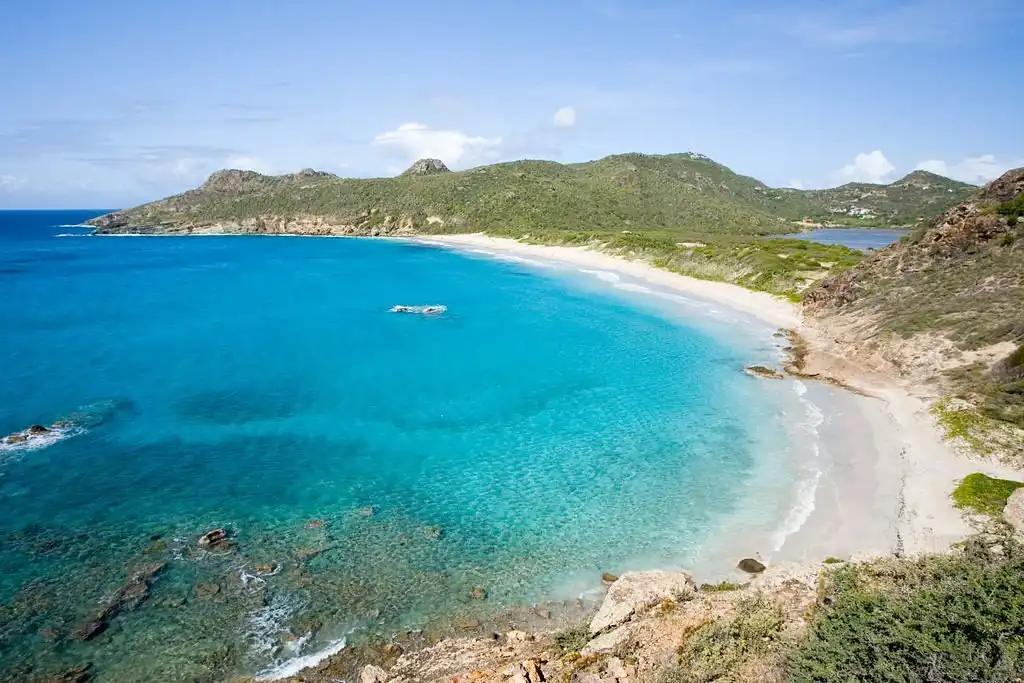
If Colombier is the hidden gem for walkers, Saline, also called Grande Saline, is the beach that helped earn Saint Barthelemy its reputation. I have spent some of my most relaxed Caribbean days here, and I genuinely consider it among the finest beaches I have ever visited.
What makes Saline special is that it is completely undeveloped. There are no hotels, beach clubs or loungers on the sand, just a wide sweep of powdery pale sand, dunes, and clear water shading from pale turquoise to deep blue. Behind the dunes lie the old salt ponds that give the beach its name. You reach it via a short walk over a sandy path from the parking area, and a few restaurants sit back from the beach near the road.
The vibe is relaxed and natural, with families, couples and locals all sharing the space. Swimsuit culture is relaxed, and you may see topless sunbathing.
Bring an umbrella or arrive early, since there is no natural shade. The ends of the beach, near the rocks, are usually quieter. Check the waves before swimming; Saline can have strong surf on some days. Late afternoon light is magical here.
Best for: Beach lovers, couples, photographers and anyone wanting a natural, unspoiled beach day.
5. Escape to Gouverneur Beach
Seclusion on the South Coast
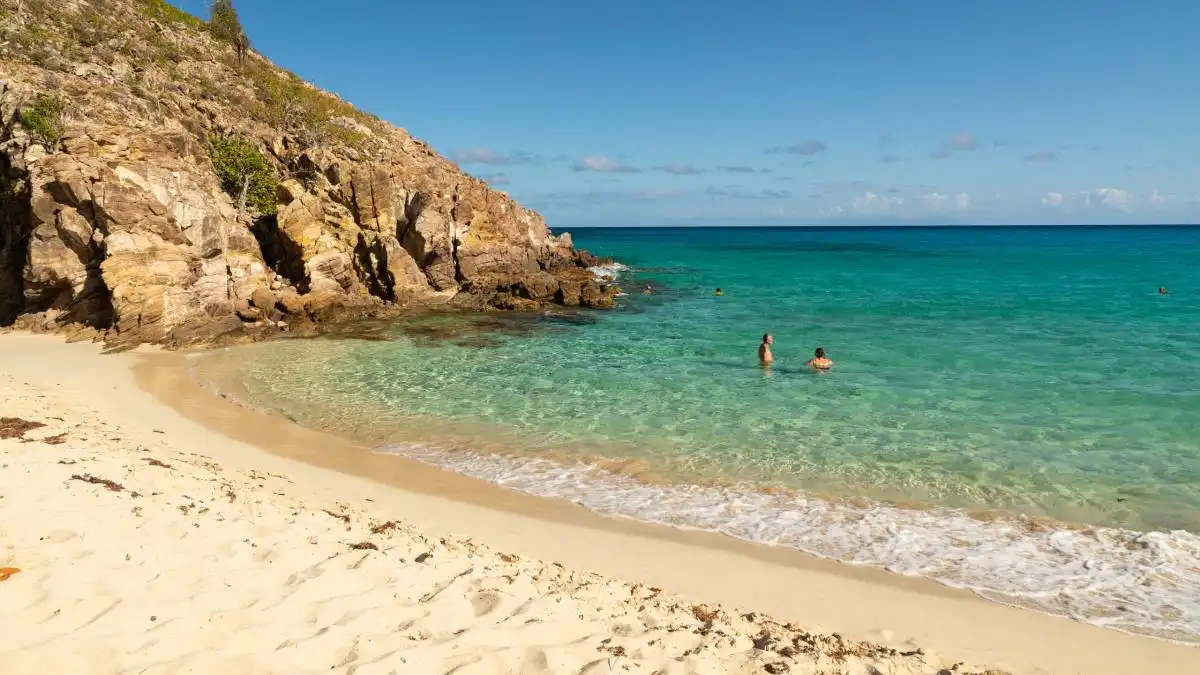
For solitude, Gouverneur Beach, on the south coast, is my go-to. Reached by a steep, winding road over the hill from Gustavia, it sits at the bottom of a bay framed by green cliffs. There are no hotels or facilities, just soft sand and clear water, and it feels almost private despite being public. On clear days, you can see Saba, St. Eustatius and St. Kitts on the horizon.
Local legend says that the pirate Montbars the Exterminator buried treasure somewhere near here, which gives the beach a romantic mystique. The views from the road down are some of the best on the island.
Bring everything you need, including water, snacks and an umbrella, as there is no shade or facilities. Stop at the lookout on the road down for photos. Stay for sunset; it's one of the most beautiful on the island.
The road down is very steep and narrow. Drive slowly, use a low gear, and be careful in wet conditions. Waves can be strong on some days.
Best for: Couples, solitude seekers, sunset lovers and repeat visitors who have seen the headline beaches.
6. Snorkel the Marine Reserve
Turtles, Reefs and Clear Water
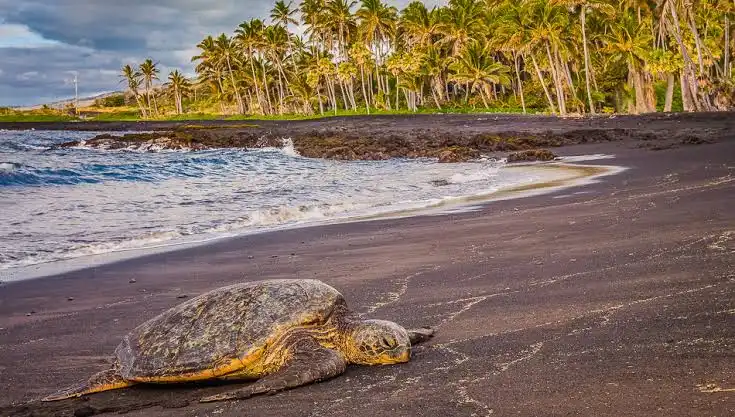
Saint Barthelemy is surrounded by excellent snorkeling, much of it within the island's protected marine nature reserve. The water clarity is remarkable, and the marine life is abundant without being overwhelming.
From shore, the best spots include Colombier for turtles, Petite Anse along the rocks, the ends of Shell Beach, and the reef-protected lagoons of Grand Cul-de-Sac and Petit Cul-de-Sac. By boat, Pain de Sucre near Gustavia and the rocky islets offshore have healthy reefs with reef fish, rays and sometimes turtles. Small operators in Gustavia run snorkel trips and scuba dives for all levels.
Go in the morning, when the water is calmest and visibility best. Book a small group trip for the boat-only sites. Be wary of any tour that "guarantees" turtles; good operators say "we often see turtles." Use reef-safe sunscreen.
Best for: Snorkelers and divers of all levels, families, and anyone wanting to see marine life close to shore.
7. Take a Boat Day
Sailing Around the Island and Beyond
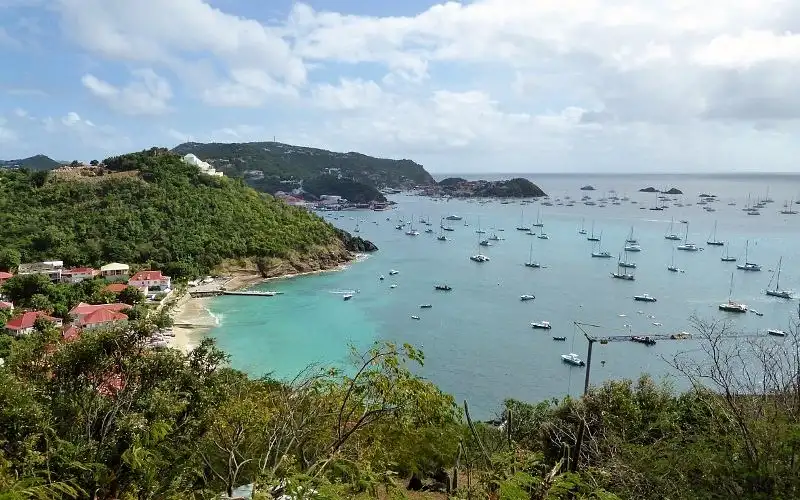
Sailing is superb around Saint Barthelemy, and a day on the water is one of the best ways to see the island. I have taken both full-day trips and sunset cruises, and both are absolutely worthwhile. Typical routes circle the island, stopping at Colombier for swimming, Île Fourchue, a rugged uninhabited island with a sheltered bay great for snorkeling, and other quiet anchorages. Longer trips head to Saint Martin or Tintamarre.
Options range from catamaran trips and private motor boats to sailing yachts. Many include lunch, drinks and snorkel gear. A sunset sail around Gustavia is a lovely, relaxed alternative if you don't want a full day.
Book at least one boat day before you travel if you visit between December and April, as operators are small and fill quickly. Morning departures usually have calmer seas. If you're prone to seasickness, choose a catamaran and take medication beforehand.
Best for: Couples, families, groups of friends, snorkelers, and anyone wanting to see the island from the water.
8. Watch Planes Land at Saint-Jean
The Island's Most Thrilling Spectacle
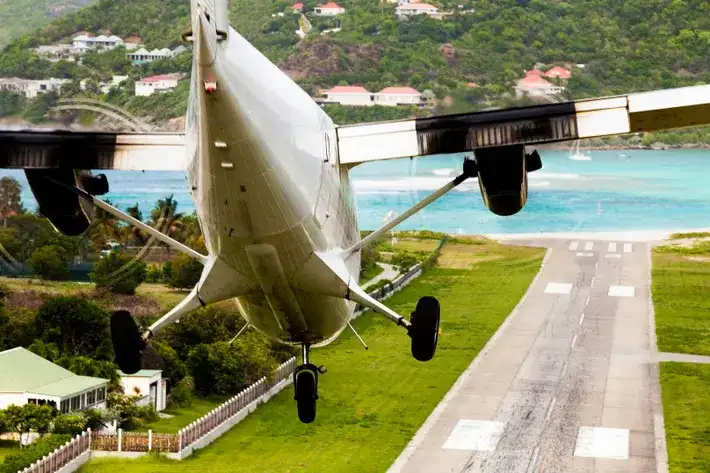
Saint Barthelemy's airport is famous for its short runway and dramatic approach. Planes swoop low over a hilltop road and dive steeply to the runway, which ends almost at the beach. Watching them land from the roundabout at the top of the hill is one of the most thrilling free spectacles in the Caribbean.
Just below the runway, Saint-Jean Beach is a lively stretch of sand with beach clubs, restaurants and water sports, divided by a rocky outcrop where the famous Eden Rock hotel sits. The water is calm and good for swimming, and the atmosphere is sociable.
Watch several landings from the hilltop viewpoint, then head down to Saint-Jean for lunch and a swim. Planes are busiest in the morning and late afternoon.
Stay on the pavement and out of the road when watching planes. Traffic is busy and the roundabout is tight.
Best for: Aviation enthusiasts, families, photographers and anyone wanting a lively beach day.
9. Drive the Toiny Coast Road
The Island's Wild Side
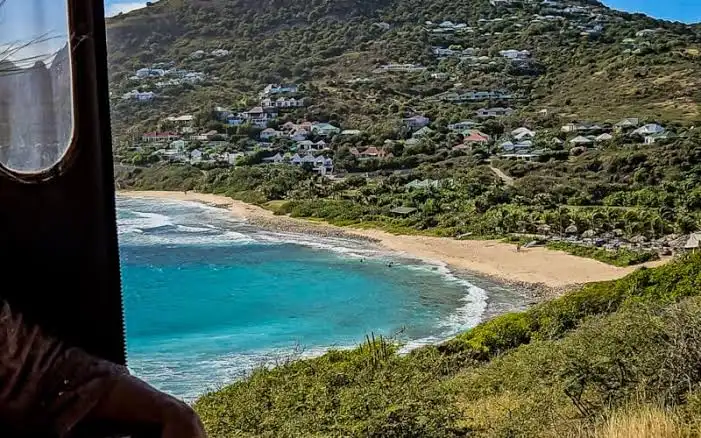
Driving the coast road around Toiny and Grand Fond on the island's windward side is one of my favourite hours on the island. The landscape is wild and rugged, with rocky shores, crashing waves, stone walls and grazing goats. It feels a world away from the yachts of Gustavia.
Stop at the viewpoints to watch the Atlantic waves. From Grand Fond, a coastal trail leads to natural rock pools, sometimes called the "washing machine," where waves spill over into shallow basins. The walk is rugged and best done with good shoes.
Drive the road in the late afternoon for the best light, then continue around to Saline or Gouverneur for sunset. Bring a hat and water if you plan to walk to the rock pools.
The windward coast has strong waves and currents. Do not swim at Toiny beach, and only enter the natural pools in very calm conditions. Rogue waves can be dangerous.
Best for: Road trippers, photographers, walkers and anyone wanting to see the island's rugged side.
10. Visit Corossol and the Island's Traditions
Old Saint Barth
Just north of Gustavia, the small fishing village of Corossol offers a glimpse of traditional Saint Barth life. Colorful fishing boats sit on the beach, and some older women still practice the island's craft of weaving hats and baskets from latanier palm leaves. Traditionally, a few older women wore distinctive white bonnets known as "quichenottes."
Corossol is also home to the Inter Oceans Museum, a private shell museum with a remarkable collection of seashells from around the world. It is small and quirky, but fascinating. Nearby, the village of Lorient, on the north coast, has an old cemetery decorated with plastic flowers, a historic church and one of the oldest settlements on the island.
Check opening hours for the shell museum before visiting. Buy straw work directly from the weavers if you can; it's one of the few genuinely local souvenirs on the island.
Best for: Culture seekers, history lovers, photographers and anyone wanting to see traditional Saint Barth.
11. Surf, Kitesurf and Paddle
Active Days on the Water

Beyond snorkeling and sailing, Saint Barthelemy has good options for active water sports. Grand Cul-de-Sac, on the northeast coast, is a shallow, reef-protected lagoon perfect for kitesurfing, windsurfing, paddleboarding and kayaking, with rental shops and schools on the beach. Lorient and Toiny are the island's main surf spots when the swell is up. Calm bays like Flamands and Saint-Jean are great for paddleboarding in the morning.
Take a lesson at Grand Cul-de-Sac if you're new to kitesurfing; the shallow water is forgiving. For surfing, check local conditions and ask at a surf shop where the waves are best that day.
Best for: Active travelers, families, beginners wanting to learn a water sport and experienced surfers.
12. Eat Your Way Around the Island
French Food, Caribbean Setting
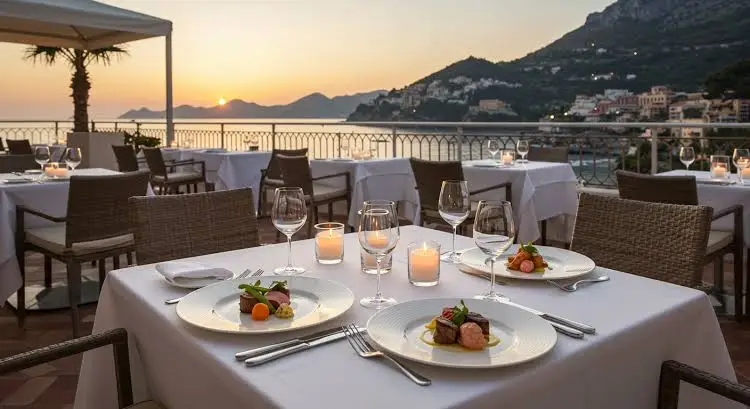
Dining is one of the main reasons people come to Saint Barthelemy. The island's French heritage means excellent bakeries, fresh seafood, fine wines and refined cooking, all in a Caribbean setting. Long lunches at beach restaurants are a local ritual, and dinners in Gustavia can be memorable.
For something casual, grab croissants and baguette sandwiches from a local bakery, or a burger at Le Select in Gustavia, a long-running, laid-back bar often associated with Jimmy Buffett's "Cheeseburger in Paradise." For special occasions, the island's beachfront and harbourside restaurants offer creative French and Caribbean cuisine. Prices are high, so mixing casual and fine dining keeps the budget in check.
Book popular restaurants well in advance, especially around Christmas and New Year. Pick up picnic supplies from supermarkets and bakeries for beach days; the French cheeses, wines and pastries are excellent and far cheaper than restaurants.
Best for: Foodies, couples, honeymooners and anyone who sees dining as part of the travel experience.
13. Shop Duty-Free in Gustavia
Luxury Boutiques and Local Finds

Saint Barthelemy is a duty-free port, and Gustavia is famous for its shopping. International luxury brands sit alongside independent boutiques selling resortwear, jewelry, swimwear and home décor. Saint-Jean also has a cluster of stylish shops.
For something more local, look for island-made skincare products, straw work from Corossol, locally designed clothing and art by resident artists. Even if you're not buying, wandering the boutiques is a pleasant way to spend a cooler hour.
Many shops close for a long lunch break and on Sundays, and some close entirely in late summer and early autumn. Shop in the morning and check hours before you go.
Best for: Shoppers, fashion lovers, souvenir hunters and anyone wanting a break from the beach.
More Things To Do If You Have Time
These did not make my top thirteen, but each is worth adding if it fits your trip.
Les Voiles de Saint Barth
A major sailing regatta held in spring, with races, parties and a lively harbour.
New Year's Eve
The island's most famous party, with fireworks and superyachts filling the harbour.
Flamands Beach
A long, wide beach on the north coast, good for swimming and quieter than Saint-Jean.
Morne du Vitet
The island's highest point, with a short hike and panoramic views.
St Barths Music Festival
A classical and jazz festival held in the winter season.
Spa Day
The island's top hotels offer excellent spas for a lazy afternoon.
Best Time to Visit for Each Activity
Saint Barthelemy is warm all year, but the seasons affect crowds, prices and which businesses are open.
| Season | Months | Conditions | Best For |
|---|---|---|---|
| Peak season | December to April | Dry, sunny, busy | Beaches, dining, boat days; book early |
| Shoulder season | May to July | Warm, calm seas, fewer crowds | Snorkeling, value, quieter beaches |
| Low season | August to November | Hot, hurricane risk | Low prices; many businesses close in Sept–Oct |
My Practical Tips for Doing Saint Barth Right
- 1Rent a small car. Roads are steep, narrow and winding, and parking is tight. A small car is far easier than a large one.
- 2Book one boat day before you arrive. Leave everything else flexible.
- 3Mix casual and fine dining. Picnics and bakeries balance the high restaurant prices.
- 4Bring beach gear. Many of the best beaches have no facilities, shade or rentals.
- 5Respect local customs. Cover up away from the beach, and check opening hours, which follow French patterns.
- 6Slow down. Two activities a day is plenty. The island rewards long lunches and lazy afternoons.
Common Questions About Things To Do in Saint Barthelemy
What people ask me before they come, and what I tell them once they are here.
My Final Thoughts on What To Do in Saint Barthelemy
The mistake I see visitors make is trying to fill the days. This island rewards the opposite instinct. The best day I have had here involved one beach, one long lunch, one swim and one drive at sunset, and I remember it far better than the days I packed with activity.
Pick two things a day and let the rest happen. Do the Colombier walk early in your trip while your enthusiasm is high, book one boat day, and spend the rest of your time moving between beaches and restaurants at whatever pace the heat allows. That is how the island is meant to be used.
See My Saint Barthelemy Itinerary