
13 Things In Saint Lucia I Would Genuinely Make Time For
Pitons, Sulphur Springs and the Village Most People Drive Past
My honest guide to the best things to do in Saint Lucia, from climbing the Pitons to the drive-in volcano and the Friday night street party, with practical timing and what to skip.
Things To Do in Saint Lucia The Honest Insider Guide
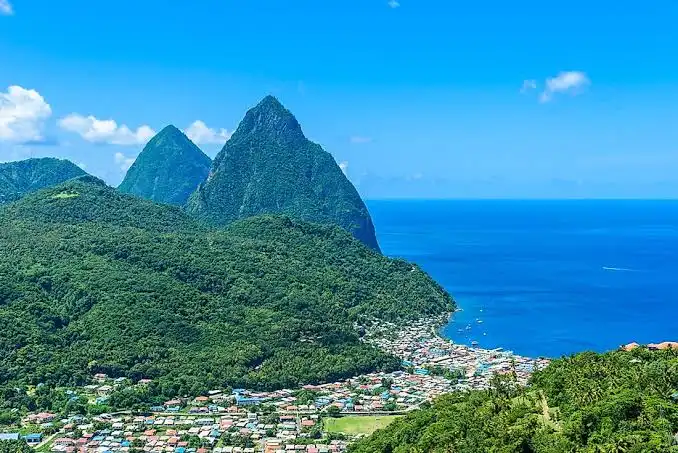
I have spent more time wandering around Saint Lucia than I care to admit, and honestly, this island has completely captured my heart. When I first arrived years ago, I expected the typical Caribbean resort experience. What I found instead was an island that feels genuinely alive with character, natural beauty, and experiences that go far beyond the usual tourist checklist. Saint Lucia refuses to be boring, and that is precisely why I keep coming back.
The things to do in Saint Lucia range from dramatic mountain hikes and volcanic mud baths to world-class snorkeling, rainforest adventures and cultural experiences that actually feel authentic. The island has substance beyond its postcard looks.
The Quick Answer: The top experiences I always recommend are climbing the Pitons (or the easier Tet Paul trail), soaking in the Sulphur Springs mud baths, snorkeling or diving Anse Chastanet, visiting Diamond Falls, touring a cocoa estate, wandering Soufrière, exploring Pigeon Island, dancing at the Gros Islet Friday Jump-Up, ziplining through the rainforest, visiting Marigot Bay, taking a catamaran down the coast, and eating your way through Castries Market. The best things to do in Saint Lucia depend on what kind of traveler you are, so keep reading and I will help you figure out what matters to you.
Saint Lucia at a Glance
1. Hike the Iconic Pitons
Gros Piton Summit Trek

I have hiked mountains across the Caribbean, and standing at the summit of Gros Piton while looking across at its twin, Petit Piton, is one of those moments that permanently changes how you see a place. This is the hike that defines Saint Lucia for most visitors, and it absolutely deserves its reputation. Gros Piton rises to about 2,619 feet (798 meters), and the Pitons are a UNESCO World Heritage Site.
The trail starts at the village of Fond Gens Libre, and a local guide is required. The climb takes around two hours up and slightly less down, for a round trip of roughly four hours. You start through dense tropical forest where the smell of earth and vegetation is almost overwhelming. Then the terrain opens up, and suddenly you can see the whole southwest coast sprawling beneath you, with St. Vincent on the horizon on clear days. The final push to the summit is steep and rocky, and it will test your fitness, but the reward is worth every bead of sweat.
Arrive at the trailhead when it opens in the morning. Most tourists arrive mid-morning when the trail is crowded and the heat is brutal. Starting early means cooler air, a quieter trail, and time to enjoy the summit before clouds build. Bring at least two liters of water and wear hiking shoes with good grip; the trail can be muddy days after rain.
Petit Piton
Petit Piton, at about 2,438 feet, is the slightly smaller but steeper and more technical of the two. The route involves scrambling and pulling yourself up with ropes in places. It is not promoted the way Gros Piton is, and climbing it is at your own risk, so only attempt it with an experienced local guide and if you are comfortable with heights and exposure.
Gros Piton is demanding. If you have knee problems or are not used to steep hiking, consider the Tet Paul Nature Trail instead. Petit Piton is significantly more dangerous than Gros Piton and not suitable for most visitors.
Best for: Reasonably fit hikers, adventure seekers and photographers. Petit Piton is only for experienced climbers comfortable with heights.
2. Walk Tet Paul and Swim at Sugar Beach
The Easy Way to See the Pitons
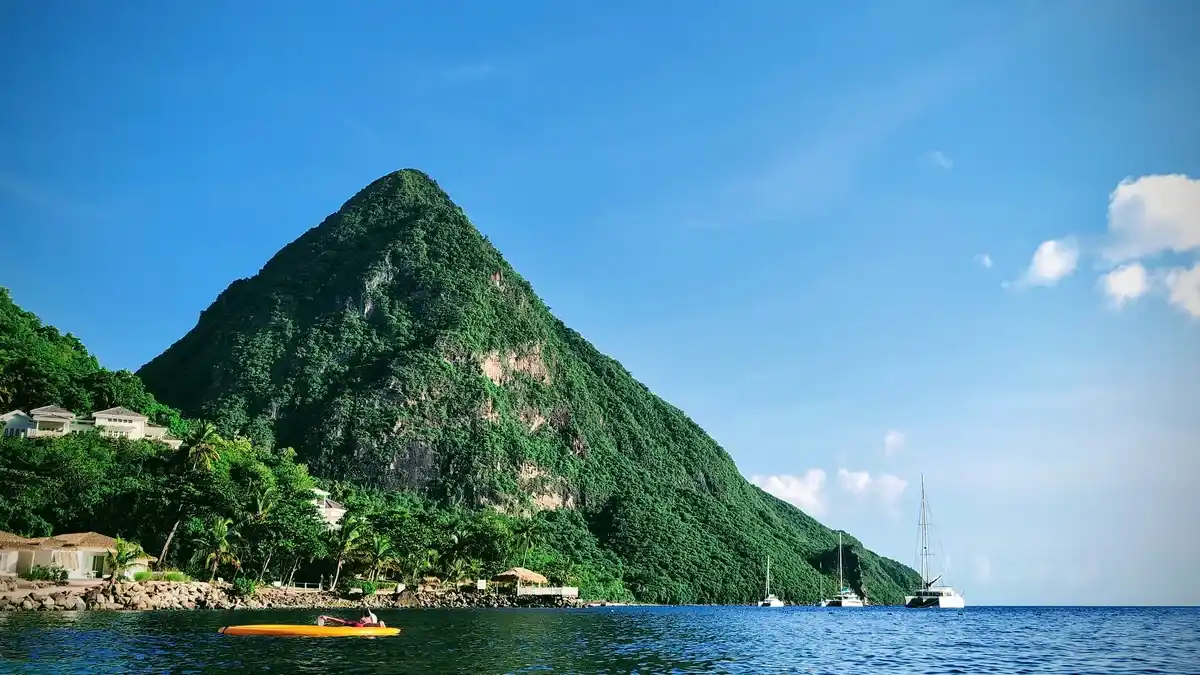
Not everyone wants a four-hour climb, and the Tet Paul Nature Trail is the perfect alternative. This short, guided walk near Soufrière takes around 45 minutes and leads to viewpoints with some of the best Piton views on the island. Along the way, you pass local gardens growing fruit, herbs and vegetables, and the final "Stairway to Heaven" leads to a panoramic lookout over both Pitons, the coast and, on clear days, Martinique and St. Vincent.
After the walk, head down to Sugar Beach, officially Anse des Pitons, which lies directly between the two Pitons. The setting is spectacular, with the peaks rising on either side. The beach is backed by a luxury resort, but all beaches in Saint Lucia are public, so you can swim and snorkel here. The reef just offshore is excellent.
Do Tet Paul in the morning when the light on the Pitons is clearest, then spend the afternoon at Sugar Beach. Bring cash for the trail fee and tip your guide.
Best for: Families, photographers, couples and anyone who wants the Piton views without the big climb.
3. Soak in the Sulphur Springs Mud Baths
The Geothermal Experience
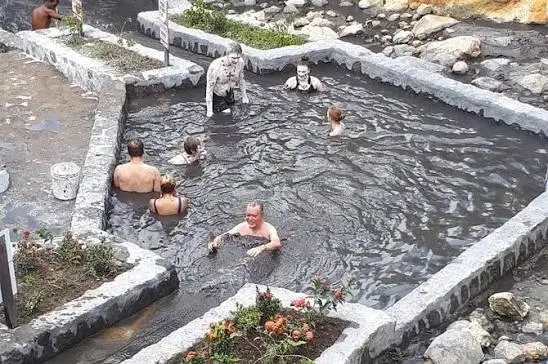
I will be honest: my first instinct when I arrived at Sulphur Springs was skepticism. Hot mud baths sounded gimmicky, like something designed purely for Instagram. Then I soaked in those volcanic mud pools, and I completely changed my mind.
Sulphur Springs is marketed as the world's only drive-in volcano. You drive into the caldera area, where the ground steams and bubbles, and view the vents and boiling pools from a viewing platform. Then you head down to the mud baths, where you cover yourself in warm mineral-rich mud, let it dry and tighten on your skin, and wash off in warm pools fed by geothermal water. Once you get past the smell of sulfur, it is deeply relaxing, and your skin genuinely feels different afterward.
Sulphur Springs can be crowded, especially when cruise passengers visit midday. The facilities are basic. Wear an old swimsuit you don't mind staining, and remove silver jewelry, which the sulfur can tarnish. Skip it if you have respiratory issues.
Go early in the morning, as soon as it opens, before the tour groups. Check the cruise ship schedule for Castries and avoid heavy ship days. Bring your own good towel and a bottle of water to rinse off.
Best for: Travelers wanting something unique who don't mind mess and strong smells.
4. Dive and Snorkel at Anse Chastanet
Underwater World Class

I have dived reefs across the Caribbean, and Anse Chastanet consistently ranks in my top five. The reef essentially starts right off the beach, so you can walk into world-class snorkeling and diving without needing a boat. The area is part of the Soufrière Marine Management Area, which helps keep the reef healthy and teeming with life.
When I dive here, I consistently see spotted eagle rays, sea turtles, schools of silvery jacks and colorful reef fish. The reef drops off into a dramatic wall, and visibility is usually excellent. Nearby, Superman's Flight is a famous drift dive along the base of Petit Piton, and the Lesleen M, a freighter deliberately sunk near Anse Cochon as an artificial reef, is a popular wreck dive.
Dive with the dive shop based on Anse Chastanet beach; the guides know the reef intimately. Snorkelers should go in the morning, when the water is calmest. Bring cash for the marine park fee.
Best for: Divers of all levels, snorkelers, underwater photographers and families.
5. Explore Diamond Falls and Botanical Gardens
A Colorful Slice of Paradise

Diamond Falls is the kind of place that feels almost too picturesque to be real. Set within the Soufrière Estate, you walk through botanical gardens full of heliconias, ginger lilies and tropical flowers before reaching a waterfall that tumbles down a rock face stained yellow, green and purple by the volcanic minerals in the water. The colors shift with the light, which gives the falls a magical quality.
The estate also has historic mineral baths, first built in the eighteenth century for French soldiers. The warm, mineral-rich water comes from the same volcanic source, and soaking in the baths is a lovely way to end a visit. There is a small extra fee for the baths.
Hire a local guide at the gardens to learn which plants are used in local cooking and medicine. Visit around midday when the sun lights up the colors on the falls, and bring a swimsuit for the mineral baths.
Best for: Garden lovers, photographers, families and travelers of all fitness levels.
6. Tour a Cocoa Estate
Colonial History and Tree-to-Bar Chocolate

When I first did a plantation tour in Saint Lucia, I approached it with some hesitation because I knew these estates were built on slavery. What I found were tours that, at their best, don't shy away from that history while explaining how the estates function as working farms today.
Around Soufrière, estates such as Fond Doux and Morne Coubaril show you cocoa trees, drying racks and traditional processing, along with other crops like coffee, cinnamon and nutmeg. Some offer chocolate-making experiences where you grind cocoa beans and make your own bar. Saint Lucian cocoa is prized by chocolate makers around the world, and tasting it fresh is a highlight.
Some tours gloss over the slave labor history that built these estates. Choose operators that address it directly. Tours can feel slow if agricultural details don't interest you.
Go in the morning when it is cooler, and stay for lunch; several estates serve excellent Creole food made with their own produce. Buy chocolate and cocoa sticks here as souvenirs.
Best for: History buffs, chocolate lovers, families and travelers who want cultural depth.
7. Wander Through Soufrière
The Real Saint Lucia

Soufrière is the town most visitors pass through on the way to something else, and I think that is a genuine mistake. It was the island's capital under French rule, it sits directly beneath the Pitons, and it is one of the few places here where you get a clear sense of ordinary Saint Lucian life rather than a version arranged for visitors.
The waterfront is where I start. Fishing boats come in through the morning, the market sells produce to people who actually cook it, and the colonial buildings along the main streets are weathered rather than restored. Walk the few blocks back from the water and the tour groups disappear almost entirely.
What To Actually Do Here
Give it two hours rather than twenty minutes. Walk the waterfront, look at the church on the square, buy fruit from the market and eat lunch at one of the small places on the back streets where the menu is written on a board. I have eaten better in Soufrière for a few US dollars than at several resort restaurants charging six times that.
Mornings are best, both for the light on the Pitons and because the fishing boats are in. Hire a local guide for an hour at the waterfront rather than taking a packaged town tour. They cost a fraction of the organised option, and the conversation is the real value.
Best for: Culture seekers, foodies, photographers and anyone wanting authentic local life.
8. Explore Pigeon Island National Landmark
Forts, Views and Beaches in the North
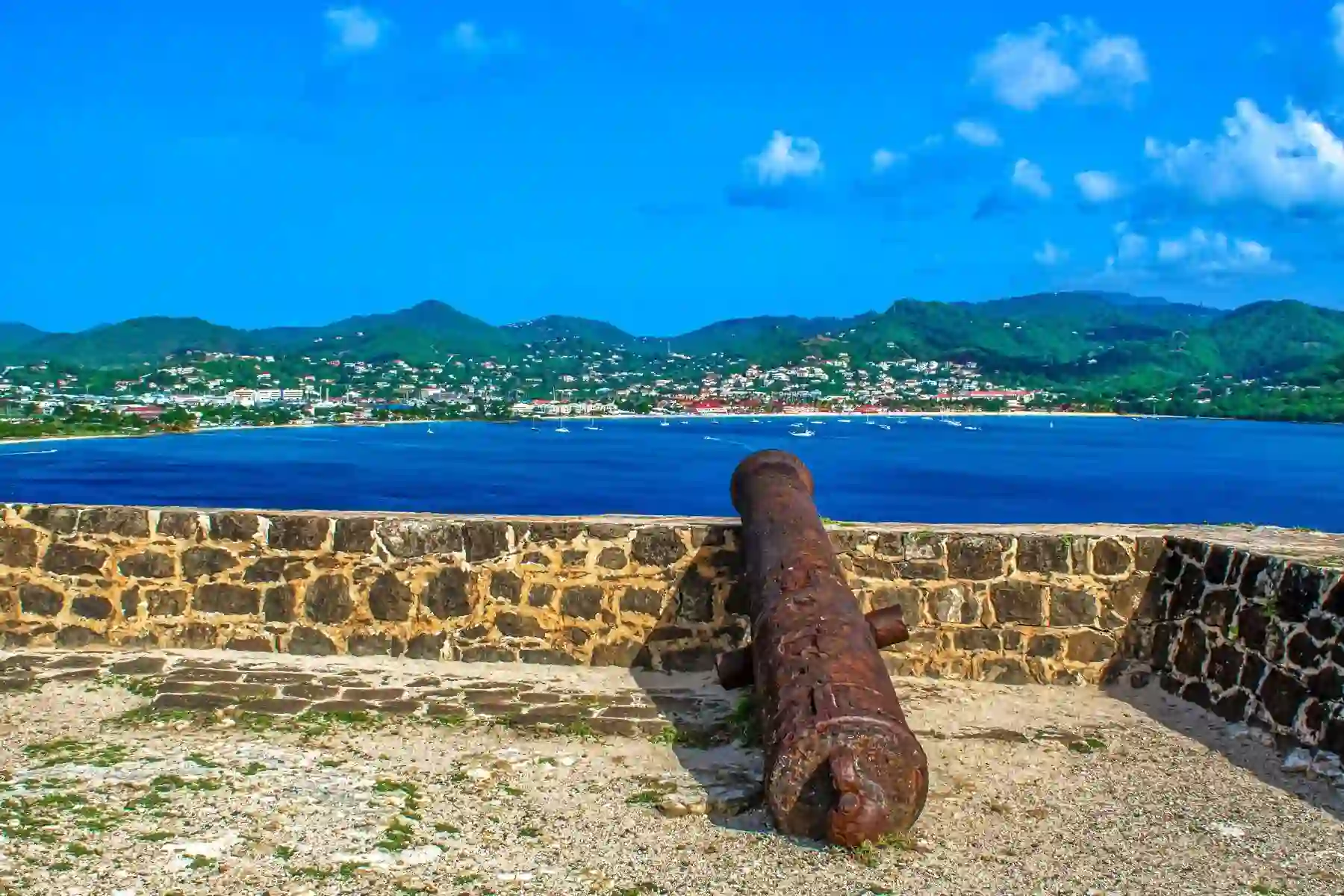
In the north of the island, Pigeon Island National Landmark is a small peninsula, once a separate island, now joined to the mainland by a causeway. It is packed with history: it was used by pirates, fortified by the British, and was an important base in the eighteenth-century wars with France.
Walk up to Fort Rodney, where cannons still point out to sea and the views stretch across Rodney Bay and, on clear days, to Martinique. The ruins of barracks, officers' quarters and other military buildings are scattered around the grounds, and a small museum explains the history. There are also two small beaches for a swim after your walk.
Go in the late afternoon when it's cooler, climb to Fort Rodney for sunset, then head to Gros Islet for dinner, especially on a Friday for the Jump-Up.
Best for: History lovers, families, walkers and sunset watchers.
9. Dance at the Gros Islet Friday Jump-Up
Saint Lucia's Best Street Party

Every Friday night, the fishing village of Gros Islet in the north transforms into a giant street party known as the Jump-Up. Streets fill with music from big speakers, locals and visitors dance, and vendors grill fish, chicken and pork over open fires. It's loud, colorful, authentic and a great way to experience local culture.
If you are staying in the south, Anse La Raye on the west coast holds its own Friday night Fish Fry, a more relaxed event focused on seafood, including lobster, fish and bakes.
Arrive early in the evening for food, then stay as the party builds later. Bring small cash, keep valuables to a minimum, and take a taxi home.
The Jump-Up gets very crowded late at night. Watch your belongings and stay with your group.
Best for: Social travelers, groups of friends, foodies and anyone wanting local nightlife.
10. Zipline and Hike the Rainforest
Canopies, Waterfalls and Parrots
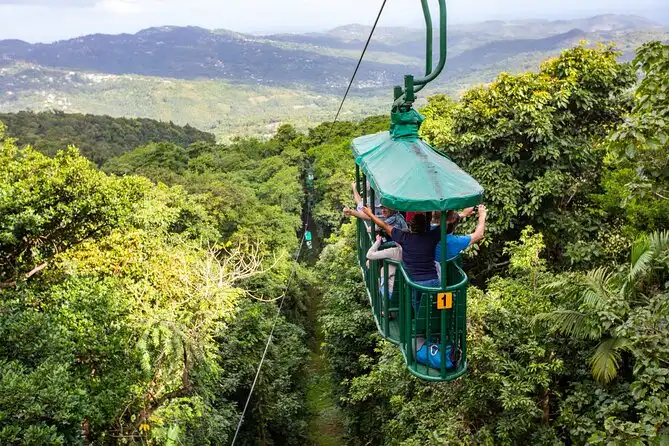
Saint Lucia's interior is covered in dense rainforest, and exploring it is one of the island's highlights. Several adventure parks offer ziplining through the canopy, with lines strung between towering trees and over ravines. Some also offer an aerial tram, a gentle ride through the treetops that suits families and non-adventurers.
For hiking, trails in the Edmund Forest Reserve and the Des Cartiers area lead through lush forest, where you may spot the colorful Saint Lucia parrot, the national bird, found nowhere else. The Enbas Saut trail descends many steps to a pair of waterfalls with pools for a refreshing swim.
Book ziplining in the morning, before afternoon rain. For parrot spotting, hike early with a forestry guide. Bring a rain jacket and shoes with grip.
Best for: Adventure seekers, birdwatchers, families and nature lovers.
11. Visit Marigot Bay
The Caribbean's Prettiest Harbour
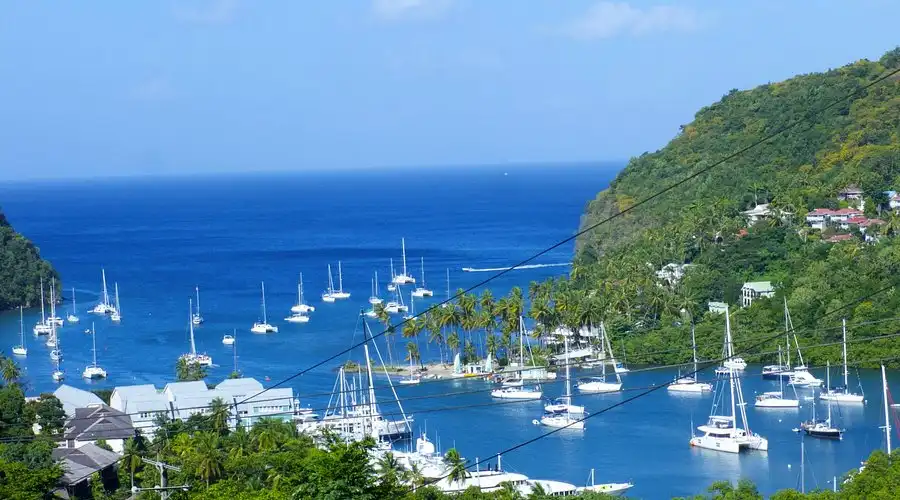
Marigot Bay, on the west coast between Castries and Soufrière, is one of the most beautiful harbours in the Caribbean. It's a deep, narrow inlet fringed with palm trees and green hills, filled with yachts and sailboats. Legend says British ships once hid here from the French fleet by covering their masts with palm fronds.
A tiny ferry crosses the bay to a small beach, and there are restaurants and bars along the water. Come for lunch, a swim, or sunset cocktails, or take a sailing trip from the marina. It's also a great stop on the drive between the north and south of the island.
Stop at the lookout on the road above the bay for the classic photo. Visit in the late afternoon for sunset drinks on the water.
Best for: Couples, sailors, photographers and anyone driving between the north and south.
12. Sail the Coast on a Catamaran
And Watch for Whales and Dolphins

Seeing Saint Lucia from the water is one of the best ways to appreciate its dramatic coastline. Popular catamaran trips sail from Rodney Bay or Castries down the west coast to Soufrière, stopping at Marigot Bay, snorkeling at Anse Cochon, and often including a tour of Sulphur Springs and Diamond Falls before sailing back. It avoids the long, winding drive and is great fun.
Whale and dolphin watching trips are also popular, with good chances of spotting dolphins year-round and humpback whales in the winter and spring.
Choose a smaller boat for a calmer, less party-style experience. Sit on the right-hand side of the boat on the way south for the best coastal views.
Best for: Couples, families, groups of friends and anyone who wants to see Soufrière without the drive.
13. Eat Your Way Through Castries Market
Local Food and Creole Flavors
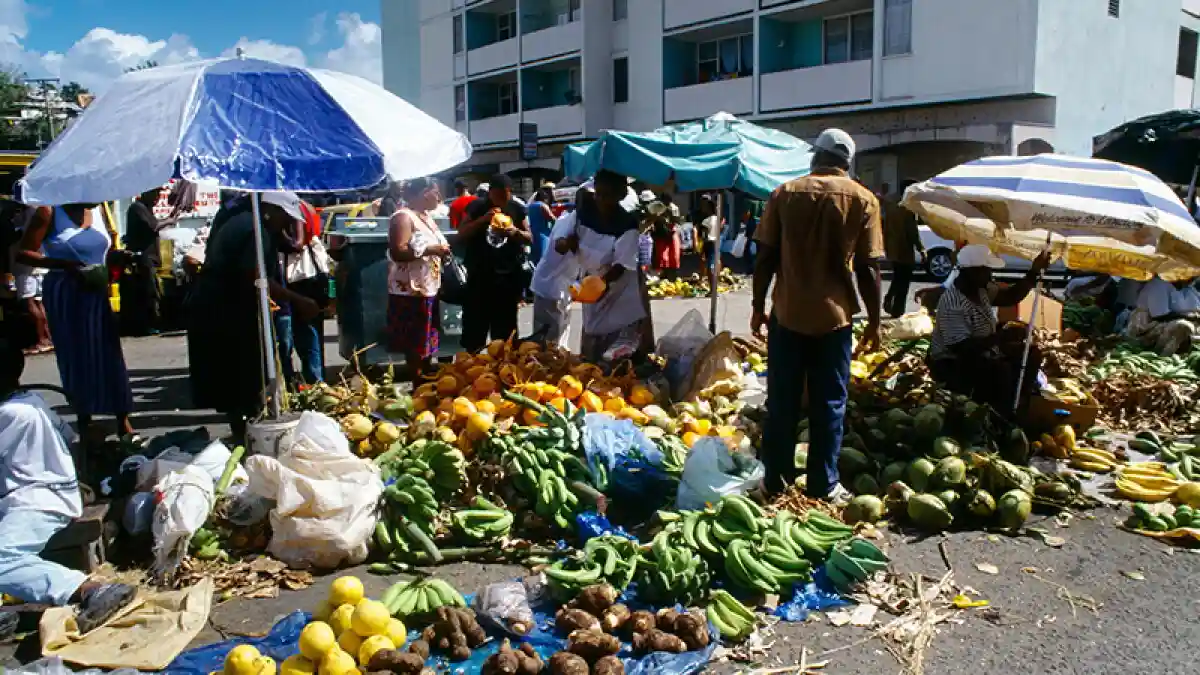
The Castries Central Market is the best place to experience everyday Saint Lucian life and food. Vendors sell tropical fruit, vegetables, spices, cocoa sticks, hot sauces and crafts, and a food court serves hearty local dishes at low prices. Saturday mornings are the busiest and most colorful.
Try the national dish, green fig and saltfish (green bananas with salted cod), along with bouyon (a hearty soup), accra (fish fritters), fresh fish, roti and bakes. Wash it down with fresh juice or a local Piton beer. Nearby, Derek Walcott Square, named after the Nobel Prize-winning poet, is a peaceful spot with a huge old saman tree.
Go on a Saturday morning and avoid cruise days. Bargain politely for crafts, and ask vendors to explain unfamiliar fruits and spices.
Best for: Foodies, culture seekers, shoppers and budget travelers.
More Things To Do If You Have Time
These did not make my top thirteen, but each is worth adding if it fits your trip.
Saint Lucia Jazz Festival
A major music festival held around May, with local and international artists.
Carnival
Saint Lucia's carnival fills the streets with parades and music in July.
Reduit Beach
A long, calm beach in Rodney Bay with water sports and restaurants.
Horseback Riding
Ride along the beach and through the countryside in the north.
Anse Cochon
A secluded bay with excellent snorkeling, best reached by boat.
Kitesurfing at Anse de Sables
The windy southeast coast is great for kitesurfing lessons.
Best Time to Visit for Each Activity
Saint Lucia is warm year-round, but dry and wet seasons make a real difference.
| Season | Months | Conditions | Best For |
|---|---|---|---|
| Dry season | December to May | Sunny, less rain, busy | Hiking, beaches, Jazz Festival; book early |
| Early wet season | June to August | Warm, more showers | Diving, Carnival, lower prices |
| Wet season | September to November | Rainy, hurricane risk | Lush waterfalls, quiet visits |
My Practical Tips for Doing Saint Lucia Right
- 1Plan around driving times. The drive between the north and Soufrière takes around 90 minutes each way on winding roads.
- 2Check your arrival airport. Hewanorra in the south is far from the northern resorts; plan transfers accordingly.
- 3Hire local guides. They add huge value on hikes and at Soufrière's attractions.
- 4Check cruise schedules. Sulphur Springs, Diamond Falls and Castries get busy on ship days.
- 5Carry cash. Small fees, markets and food stalls often prefer cash.
- 6Do fewer things, better. Three activities done properly beat eight in a rush.
Common Questions About Things To Do in Saint Lucia
The questions I get asked most often, answered honestly from personal experience.
My Final Thoughts on What To Do in Saint Lucia
If you do only two things on this island, climb Gros Piton in the morning and spend an afternoon in the Sulphur Springs mud. Together they capture what makes Saint Lucia different from its neighbours, which is that the volcano is not scenery here, it is something you walk on and sit in.
Everything else is a bonus, and I would rather you did three things properly than eight in a rush. The packaged tours that cram the whole southwest into one morning exist for cruise passengers with four hours ashore. You have longer, so use it.
Explore Saint Lucia