
13 Best Things To Do in Saint Vincent
My Top Picks From Years of Visiting
My honest insider guide to the best things to do in Saint Vincent. Volcano hikes, waterfalls, the Grenadines, critter diving and authentic experiences from years of personal travel to the island.
Things To Do in Saint Vincent The Honest Insider Guide
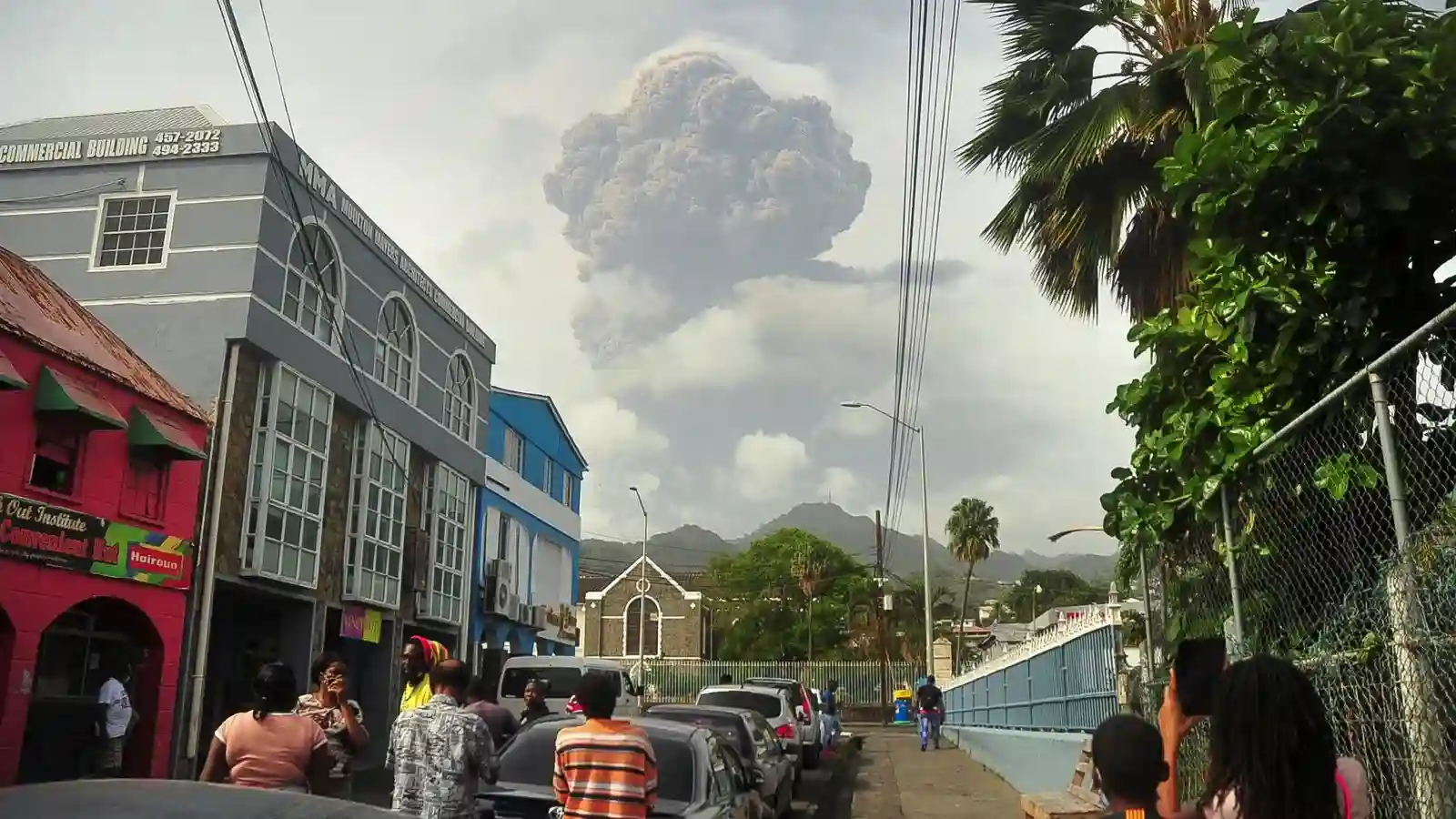
I have spent more time exploring Saint Vincent than most travel writers ever will, and I can tell you with complete honesty that this island is criminally underrated. When I first visited, I expected a smaller, quieter alternative to the busier Caribbean islands, but what I found was far more rewarding. This is a place where tourism hasn't overwhelmed local culture, where you can still have genuine conversations with islanders who want to share their home with you. If you're looking for things to do in Saint Vincent, you're going to discover an island that feels authentically Caribbean in a way many of the more developed islands no longer do.
The island sits in the southern Windward Islands, and while it doesn't have the postcard white beaches of some neighbors, it has character, adventure and some genuinely world-class experiences that most tourists never find. I've hiked volcanic trails, swum beneath waterfalls, dived with seahorses and frogfish, and eaten fresh seafood at family-run restaurants that most guidebooks don't mention.
The Quick Answer: The best things to do in Saint Vincent are hiking La Soufrière volcano, taking a day trip to the Tobago Cays, island hopping to Bequia and the Grenadines, critter diving the reefs, exploring Kingstown and Fort Charlotte, visiting the historic Botanic Gardens, swimming at Dark View Falls and Trinity Falls, taking a boat to the Falls of Baleine, seeing the Pirates of the Caribbean film site at Wallilabou Bay, spotting the Saint Vincent parrot on the Vermont Nature Trail, driving the wild windward coast, and eating roasted breadfruit and jackfish.
Saint Vincent at a Glance
1. Hike La Soufrière Volcano The Crown Jewel Experience
The Active Volcano That Defines Saint Vincent
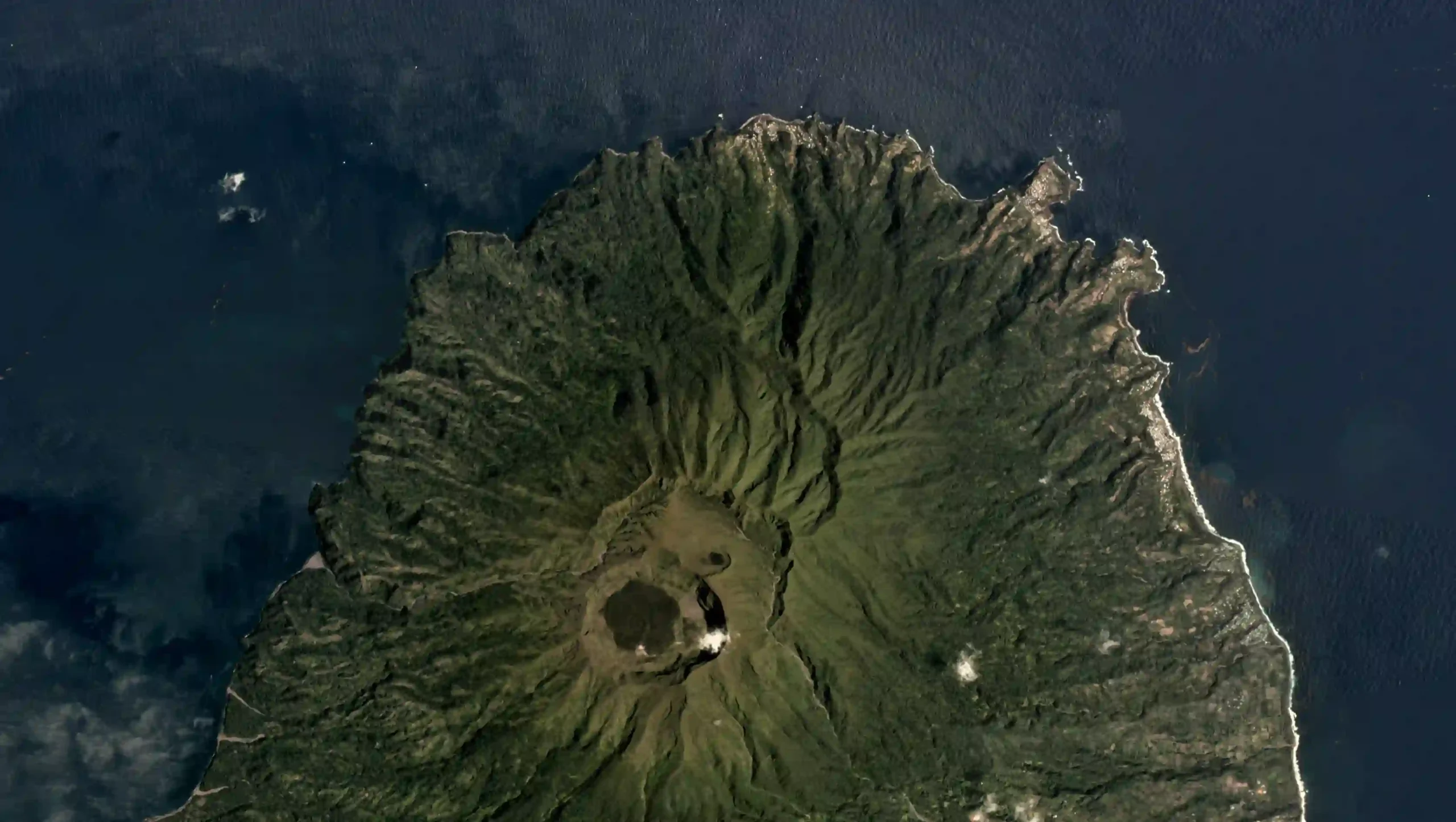
I will be completely direct: hiking La Soufrière is the single most memorable thing I have done on this island, and possibly in the Caribbean. La Soufrière is an active volcano rising to about 4,048 feet (1,234 meters), the highest point on the island. It erupted most recently in April 2021, with explosive eruptions that forced large-scale evacuations in the north of the island. Standing at the crater rim of a volcano with such recent power is a humbling experience.
There are two main routes. The windward trail, starting on the east side near Rabacca, is the most popular, climbing gradually through rainforest, bamboo and then sparse volcanic landscape to the crater rim. The leeward trail from the west coast near Richmond is steeper and more demanding. The hike typically takes five to six hours round trip. As you climb, the air cools, the vegetation changes, and the views open up across the island.
Start very early to reach the rim before clouds roll in, which usually happens by late morning. Bring at least two to three liters of water, snacks, sturdy hiking shoes and a windbreaker; it can be cold and windy at the top. Hire a licensed local guide who knows the current trail conditions after the 2021 eruption.
Trail access depends on volcanic activity, erosion and official monitoring. Always check the current status with the National Parks authority or a reputable guide before you plan your hike. Do not hike alone, and never go down into the crater.
Best for: Hikers with moderate fitness, nature lovers and anyone wanting the island's biggest adventure.
2. Take a Day Trip to the Tobago Cays The Jewel of the Grenadines
Swimming With Turtles in a Marine Park
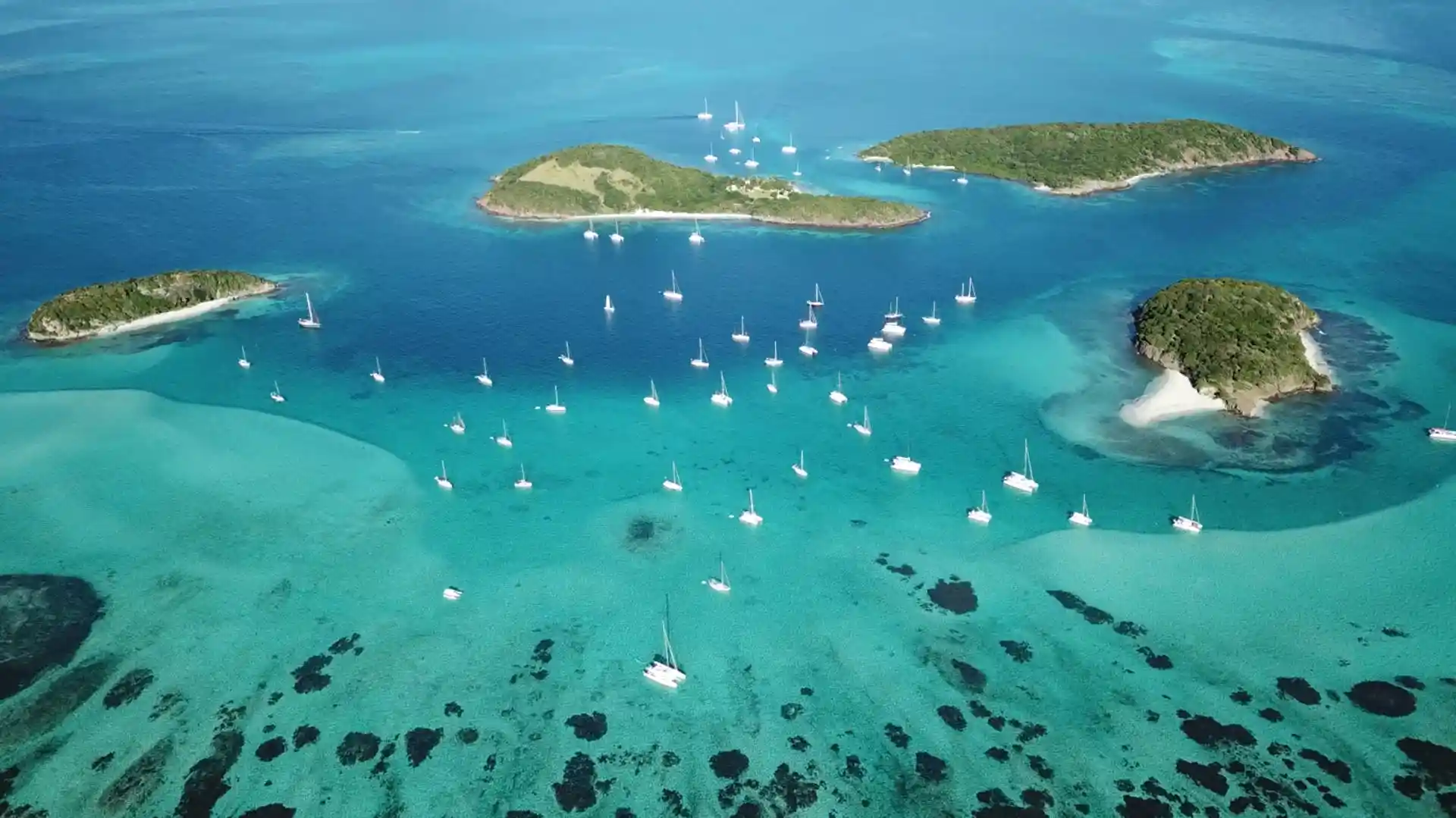
The Tobago Cays are a group of small uninhabited islands in the southern Grenadines, protected by Horseshoe Reef and managed as a marine park. The water is an almost unreal turquoise, and the snorkeling is some of the best in the Caribbean. The highlight is swimming with green sea turtles near Baradal, where they graze on seagrass in shallow water.
From Saint Vincent, you can take a full-day boat trip, which involves a long ride but covers the Grenadines on the way, or fly to Union Island and take a short boat trip from there. Many tours also stop at Mayreau and its famous Saltwhistle Bay.
If you have more than a day, stay on Union Island or Bequia to shorten the boat ride. Ask whether the marine park fee and lunch are included. Bring reef-safe sunscreen and a rash guard.
The boat ride from Saint Vincent is long and can be rough. Take seasickness medication if needed, and never touch or chase the turtles.
Best for: Snorkelers, turtle lovers, photographers and anyone wanting a classic Caribbean paradise day.
3. Island Hop to Bequia and the Grenadines
A String of Pearls on Your Doorstep

If there is one thing that separates Saint Vincent from other Caribbean destinations, it's the easy access to the Grenadines. Ferries run several times a day from Kingstown to Bequia, taking about an hour. Bequia is laid-back and charming, with a sailing heritage, beautiful beaches like Princess Margaret and Lower Bay, and excellent restaurants around Admiralty Bay. It makes a perfect day trip or a base for a few nights.
Beyond Bequia, slower ferries serve Canouan, Mayreau and Union Island a few times a week, and there are short flights to the southern Grenadines. Mustique, the private island, is reached mainly by small plane or charter boat. Each island has its own character, from Canouan's luxury resorts to Union Island's rugged hills and kitesurfing lagoon.
Book your own ferry tickets and arrange a local boat captain on Bequia through your guesthouse for a flexible day of beaches and snorkeling. Check ferry schedules carefully for the southern Grenadines, as they are less frequent.
Best for: Island hoppers, couples, snorkelers and anyone who wants to add beaches to a Saint Vincent trip.
4. Dive and Snorkel Saint Vincent's Reefs The Critter Capital
Muck Diving, Walls and Reef Life
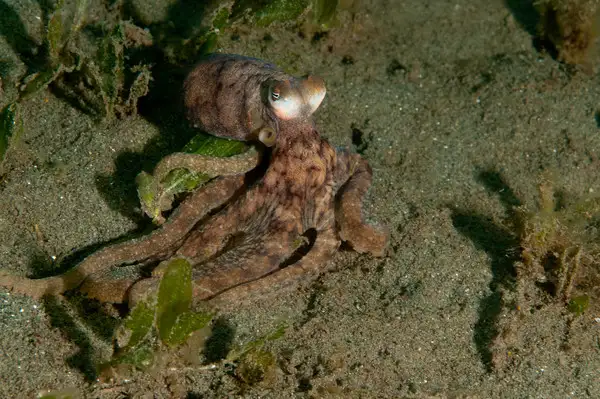
Saint Vincent has some of the most interesting diving in the Caribbean, and most divers don't know it. The island is sometimes called the "critter capital of the Caribbean" because of the unusual small creatures found along its volcanic reefs and sandy slopes: seahorses, frogfish, batfish, octopus, flying gurnards and colorful nudibranchs. For underwater photographers, it's a dream.
Popular sites along the leeward coast include walls covered in sponges and corals, sheltered bays with seagrass and sandy slopes perfect for "muck diving," and caves like Bat Cave, where bats roost above the water. The Tobago Cays and Bequia offer classic reef diving with turtles, rays and reef fish. Snorkelers can explore sheltered bays close to shore.
Book with a small, well-reviewed local dive operator and tell them you're interested in critters; good guides are experts at finding tiny creatures you'd never spot yourself. Bring a camera with macro capability if you have one.
Currents can be strong at some sites, especially around the Grenadines. Be honest about your experience and ask for suitable sites.
Best for: Certified divers, underwater photographers, snorkelers and anyone curious about unusual marine life.
5. Explore Kingstown and Fort Charlotte Authentic Caribbean Culture
The Capital: Where Real Island Life Happens
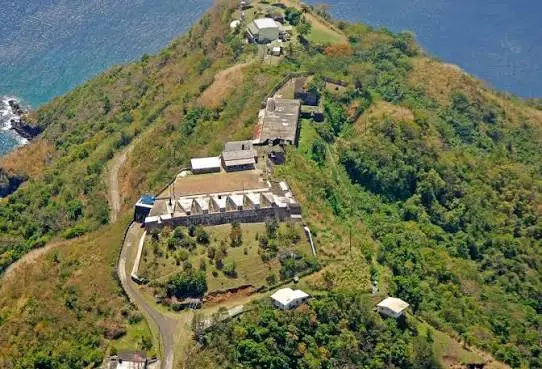
Most travelers skip Kingstown entirely or spend just an hour there, which means they completely miss the heart of Saint Vincent. It's not a polished Caribbean capital; it's a real working town where local people live their lives, and that's precisely why it's worth your time. Kingstown is known as the "City of Arches" for its stone arcades and old warehouses.
Start at the busy market, where vendors sell fruit, vegetables, spices and fish. Visit St. Mary's Catholic Cathedral, with its unusual mix of architectural styles, and St. George's Anglican Cathedral. Then head up to Fort Charlotte, built in the early nineteenth century on a ridge above the town. The views over Kingstown, the harbour and the Grenadines are spectacular.
Visit the market early on a Saturday morning, when it's at its busiest and most colorful. Take a taxi up to Fort Charlotte rather than walking in the heat, and go in the morning for the clearest views.
Best for: Culture seekers, history lovers, photographers and anyone wanting to see everyday Vincentian life.
6. Visit the Botanic Gardens A Living Piece of History
One of the Oldest Botanic Gardens in the Americas

Just outside Kingstown, the Botanic Gardens were established in 1765, making them one of the oldest botanic gardens in the Western Hemisphere. They're peaceful, shady and full of history. The most famous resident is a breadfruit tree said to be descended from the saplings brought by Captain Bligh on HMS Providence in 1793, after the infamous mutiny on the Bounty ended his first attempt.
The gardens also have a small aviary for the endangered Saint Vincent parrot, along with beautiful tropical trees, flowering plants and spice trees. Local guides often wait at the entrance to show you around.
Hire a local guide at the entrance; they will point out the breadfruit tree, medicinal plants and hidden details. Visit in the morning when it's cooler.
Best for: Garden lovers, history buffs, families and rainy-day plans.
7. Swim at Dark View Falls Twin Waterfalls in the Rainforest
The Island's Most Popular Waterfalls

Dark View Falls, in the north of the leeward coast, is one of Saint Vincent's most beautiful and accessible natural attractions. A short walk through rainforest and across a bamboo bridge over the river leads to two tall waterfalls, each with a pool where you can swim. The setting is lush and dramatic, with towering trees and ferns all around.
The lower falls are easy to reach, and a short, steeper path leads to the upper falls. There are changing facilities and a small visitor area.
Visit in the morning before tour groups arrive. Wear water shoes, since the rocks are slippery. Combine the falls with a stop at Wallilabou Bay on the drive up the coast.
Don't swim right under the falls, and avoid visiting after heavy rain when the river rises quickly.
Best for: Nature lovers, families, photographers and anyone wanting an easy rainforest adventure.
8. Hike to Trinity Falls A Wilder Waterfall Adventure
Three Falls in a Volcanic Gorge
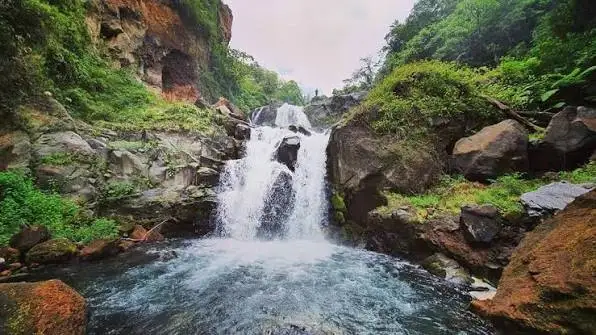
For a more adventurous waterfall, hike to Trinity Falls in the island's interior near the leeward coast. A rainforest trail winds through lush vegetation and crosses streams before reaching a dramatic gorge where three waterfalls pour into a deep pool. The setting feels wild and remote.
The hike takes around 45 minutes to an hour each way and involves some steep, slippery sections. The reward is one of the most spectacular natural sights on the island.
Go with a local guide who knows the trail and current conditions. Wear shoes with good grip and bring a waterproof bag for your phone.
The pool has strong currents from the waterfalls, and swimming can be dangerous. Stay near the edge, follow your guide's advice, and never go after heavy rain.
Best for: Adventurous hikers and nature lovers comfortable on rough trails.
9. Take a Boat to the Falls of Baleine Accessible Only by Sea
A Coastal Adventure
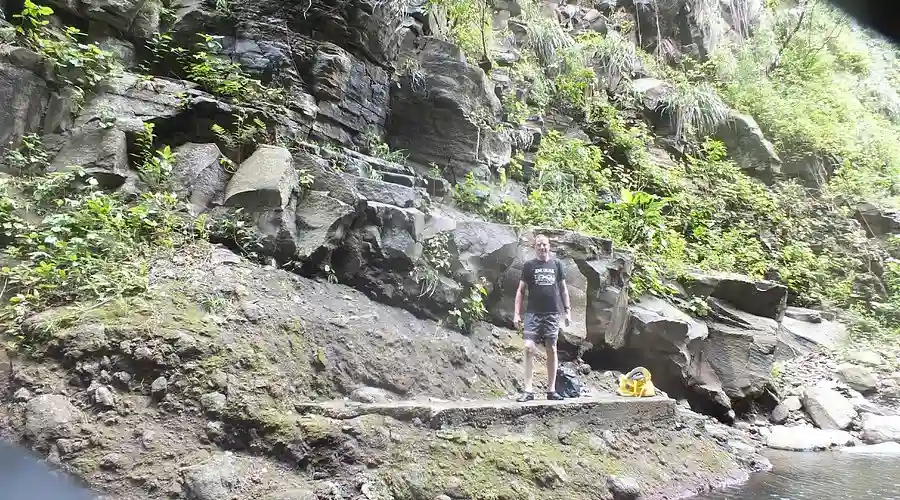
At the northern tip of the leeward coast, the Falls of Baleine tumble down a cliff into a freshwater pool just a short walk from the sea. There's no road, so the only way to get there is by boat, which makes the trip an adventure in itself.
Boat tours from Kingstown and the south coast travel up the dramatic leeward coast, passing cliffs, fishing villages and bays. Along the way, you may spot dolphins, and many trips stop for snorkeling and at Wallilabou Bay. At the falls, you wade ashore and swim in the cool pool beneath the waterfall.
Choose a tour that includes snorkeling and a stop at Wallilabou. Sit on the right-hand side of the boat on the way north for the best coastal views.
Landing at the falls involves wading over slippery rocks. Seas can be rough, so take seasickness medication if needed.
Best for: Adventure seekers, families, photographers and anyone wanting a full day on the water.
10. Visit Wallilabou Bay The Pirates of the Caribbean Set
A Film Location and Sheltered Anchorage
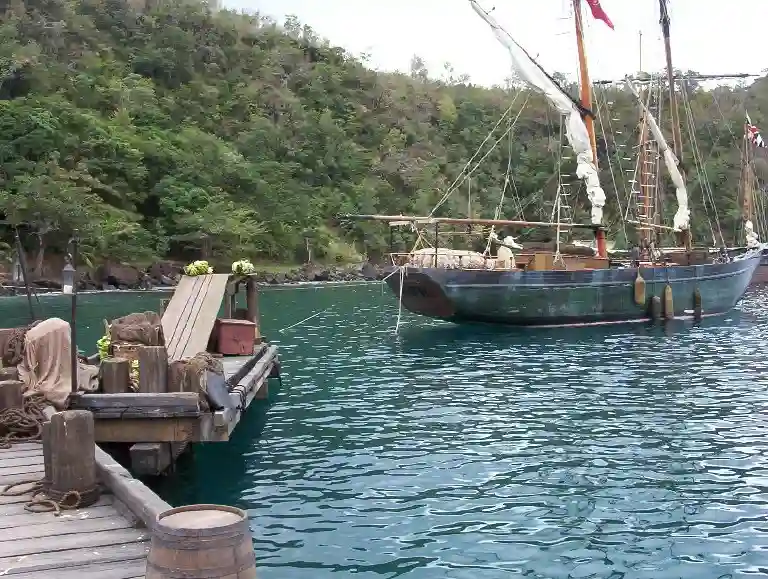
Wallilabou Bay on the leeward coast is famous as a filming location for Pirates of the Caribbean: The Curse of the Black Pearl, where it stood in for Port Royal. Some remnants of the film set, including wooden buildings and a jetty, can still be seen, and there are props and photos on display.
Beyond the film connection, it's a beautiful, sheltered bay surrounded by steep green hills, popular with visiting yachts. There's a restaurant and bar, and the snorkeling around the rocks is good. It makes a great stop on the way to Dark View Falls or the Falls of Baleine.
Stop for lunch at the bay and walk around the old film set. Check whether a small fee is charged to visit the set area.
Best for: Film fans, families, sailors and road trippers.
11. Walk the Vermont Nature Trail Home of the Saint Vincent Parrot
Rainforest and Rare Birds

The Vermont Nature Trail, in the Buccament Valley, is a loop through lush rainforest in the island's interior. It's one of the best places to see the Saint Vincent parrot, the national bird, found nowhere else in the world. There's a viewing area along the trail where you can watch for parrots flying over the forest.
The trail is moderate, with some steps and slopes, and takes a couple of hours. Along the way, you'll see giant trees, ferns and other birds, including hummingbirds and the rare whistling warbler.
Go early in the morning or late in the afternoon, when parrots are most active. Bring binoculars and insect repellent, and consider a guide who can help you spot birds.
Best for: Birdwatchers, nature lovers, hikers and photographers.
12. Drive the Windward Coast Black Point Tunnel and Owia Salt Pond
The Wild Atlantic Side
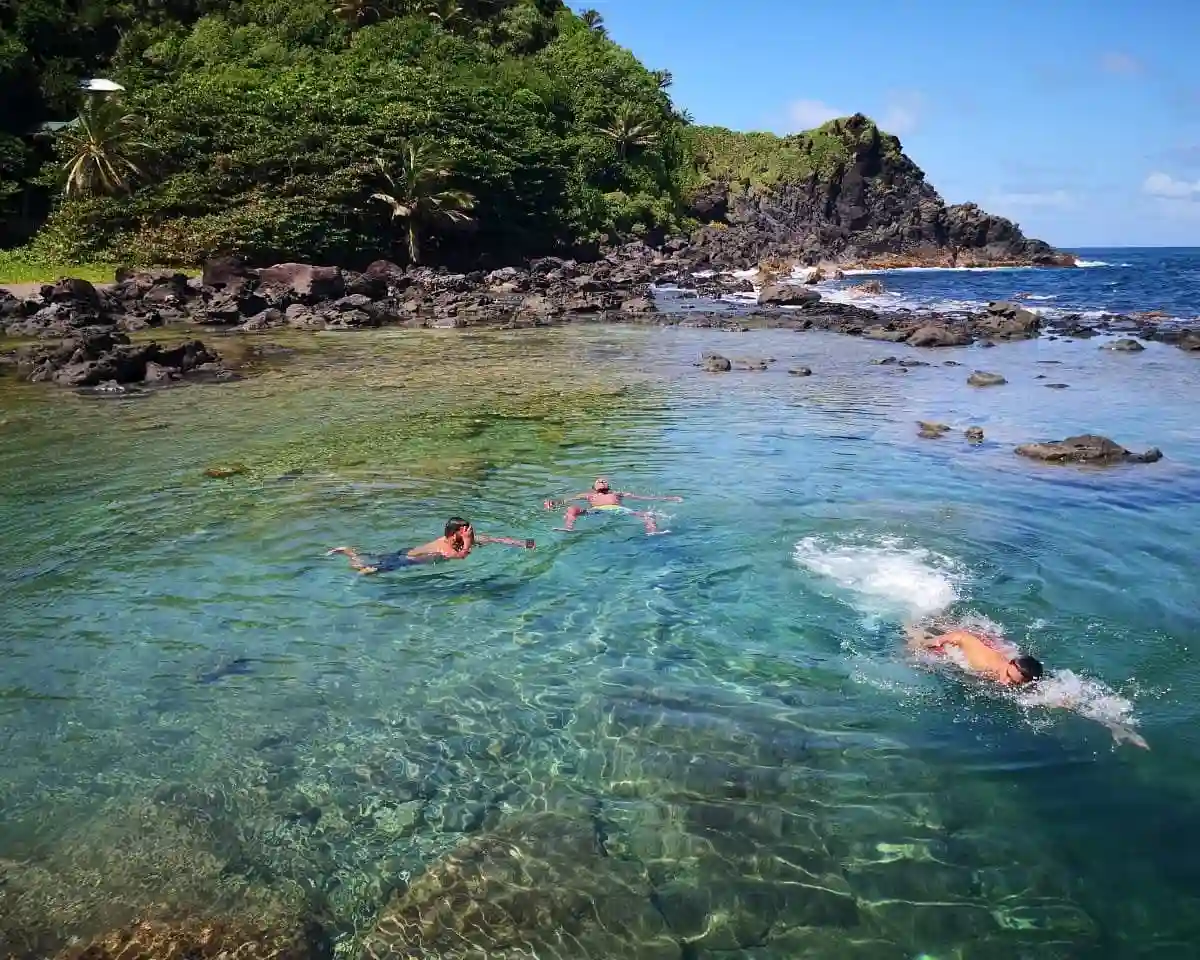
The windward (east) coast of Saint Vincent is wild and dramatic, with black sand beaches, rugged cliffs and crashing Atlantic waves. A drive north from Kingstown passes farming villages, coconut groves and fields where arrowroot is grown.
Stop at the Black Point Tunnel, carved through a rocky headland in the early nineteenth century by enslaved Africans. Further north, cross the Rabacca Dry River, a wide channel of volcanic debris from past eruptions. At the northeastern tip, Owia Salt Pond has natural rock pools where waves spill over from the Atlantic, creating calm swimming areas. The area has strong links to the island's Indigenous Kalinago and Garifuna heritage.
Hire a local driver-guide for this route; the roads are winding and the stories are fascinating. Visit Owia Salt Pond at low tide on a calm day.
Do not swim on the open Atlantic beaches; currents are dangerous. At Owia, stay inside the pools and away from the edge when waves are high.
Best for: Road trippers, history lovers, photographers and adventurous travelers.
13. Eat Roasted Breadfruit and Jackfish Vincentian Flavors
The National Dish and More
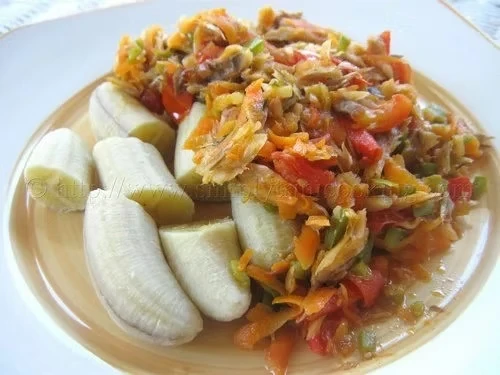
The national dish of Saint Vincent and the Grenadines is roasted breadfruit and fried jackfish. Breadfruit is roasted over an open fire until the skin is charred and the inside is soft, then served with crispy fried jackfish. You'll find it at roadside stands, local restaurants and festivals.
Try other local favorites like callaloo soup, buljol (saltfish salad), fresh fish, and pelau. Wash it down with fresh juices or a local rum from the island's distillery. The island is also known for its fresh produce, so stop at roadside fruit stands for mangoes, bananas and soursop.
Ask your driver or guesthouse where locals buy roasted breadfruit. Visit during Vincy Mas, the island's carnival in late June and early July, for the best street food.
Best for: Foodies, curious travelers, budget travelers and anyone wanting a true taste of the island.
More Things To Do If You Have Time
These did not make my top thirteen, but each is worth adding if it fits your trip.
Vincy Mas
Saint Vincent's carnival in late June and early July, with parades, calypso and soca.
Villa and Indian Bay Beaches
The south coast's main beaches, with calm water and restaurants.
Young Island
A small private island resort just off Villa, reached by a short boat ride.
Rum Distillery
Learn about local rum production at the island's distillery on the windward side.
Montreal Gardens
Peaceful gardens in the island's interior, full of flowers and tropical plants.
Fishing Trips
Go out with local fishermen or on a charter for tuna and mahi-mahi.
Best Time to Visit for Each Activity
Saint Vincent is warm all year, but its dry and wet seasons make a big difference to hiking.
| Season | Months | Conditions | Best For |
|---|---|---|---|
| Dry season | January to May | Less rain, clearer skies | Hiking La Soufrière, sailing, beaches |
| Carnival season | Late June to early July | Warm, some showers | Vincy Mas, local culture |
| Wet season | July to November | Rain, hurricane risk | Waterfalls in full flow, diving, low prices |
| Holiday season | December | Drying out, festive | Nine Mornings festival, sailing |
My Practical Tips for Doing Saint Vincent Right
- 1Hire a driver-guide. Roads are steep and winding, and local guides add huge value to every trip.
- 2Check La Soufrière's status. Trail access can change; confirm before planning your hike.
- 3Use the minibuses. Local "vans" are cheap and a fun way to travel along the main roads.
- 4Carry cash. Small attractions, food stands and markets prefer cash.
- 5Don't expect white-sand beaches everywhere. Many Saint Vincent beaches are black sand; head to the Grenadines for white sand.
- 6Plan boat days early. Tobago Cays and Falls of Baleine trips depend on sea conditions.
Common Questions About Things To Do in Saint Vincent
The questions I get asked most often, answered honestly from personal experience.
My Final Thoughts on Things To Do in Saint Vincent
Saint Vincent has more to offer than most travelers realize. This is not a sit-on-the-beach-for-seven-days kind of island, although you can certainly do that in the Grenadines. The combination of volcanic hiking, waterfalls, critter diving, island hopping and authentic culture makes it one of the most rewarding activity destinations in the Caribbean.
My advice is to mix adventure with relaxation. Hike La Soufrière if it's open, take the Tobago Cays trip, explore Kingstown and the Botanic Gardens, and balance those active days with beach days on Bequia. That combination is exactly why I keep coming back.
See My Full Itinerary