
19 Best Things To Do in Trinidad
The Activities That Make This Island Genuinely Extraordinary
The best things to do in Trinidad from someone who has done them all. Caroni Swamp, Asa Wright, Pitch Lake, Maracas Bay, street food, Carnival, steelpan, leatherback turtles and much more.
Things To Do in Trinidad The Honest Insider Guide
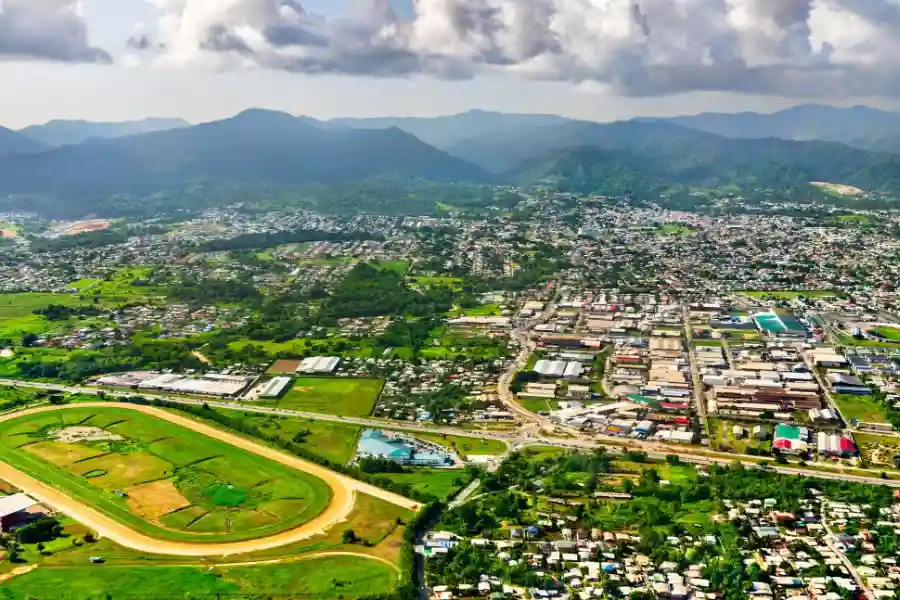
I have spent more time in Trinidad than perhaps any other Caribbean island, and I say that without exaggeration. When I first arrived, I expected the typical postcard beaches and resort experiences. Instead, I found something far richer: a deeply authentic island where music pulses through the streets, where the food tastes like generations of culinary wisdom, and where you will meet some of the warmest people in the entire Caribbean. Trinidad surprised me completely, and I believe it will surprise you too.
If you are planning a trip, you need to know that Trinidad is not like Barbados or St. Lucia. It is raw, vibrant, sometimes chaotic, and absolutely unforgettable. The things to do in Trinidad range from watching thousands of scarlet ibis fly home at sunset to dancing at the source of Caribbean Carnival culture. You will find world-class nature, incredible food and cultural immersion you simply cannot buy on other islands.
The Quick Answer: Prioritise the Asa Wright Nature Centre for birds, the Caroni Swamp for scarlet ibis at sunset, Pitch Lake for its geological weirdness, Maracas Bay for bake and shark, Port of Spain for culture and street food, a Northern Range waterfall hike, leatherback turtles at Grande Riviere in season, Carnival and the pan yards, the Temple in the Sea and Hanuman statue, a Chaguaramas boat trip, and a hop over to Tobago. Keep reading, because the best experiences here require some insider knowledge.
Trinidad at a Glance
1. Asa Wright Nature Centre
An Absolute Birding Paradise
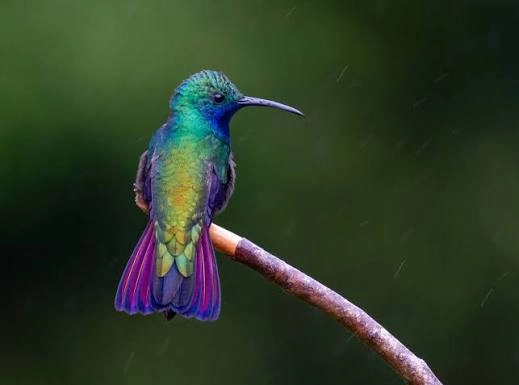
I have visited birding destinations across the world, and Asa Wright is genuinely one of the most incredible. This nature reserve sits in the Arima Valley of the Northern Range, on a former cocoa and coffee estate surrounded by rainforest. On one visit, I spotted over forty bird species in a single morning without leaving the grounds. Hummingbirds, bell birds, toucans, motmots, honeycreepers and tanagers are all regular sightings.
What makes Asa Wright special is the combination of easy viewing and wild forest. Guided walks explore the trails, and the centre is also known for its colony of oilbirds, nocturnal birds that live in a nearby cave, which can be visited on special guided tours. The historic main house suffered a major fire in recent years, so check the current visitor facilities and lodging options before you book.
Arrive as early as possible; bird activity peaks in the first hours after dawn. Book a guided walk, as the guides are superb at spotting and identifying birds. Bring binoculars and insect repellent.
Best for: Birdwatchers, nature photographers and anyone wanting to experience Trinidad's rainforest.
2. Caroni Bird Sanctuary Sunset Tour
Thousands of Scarlet Ibis Coming Home at Dusk
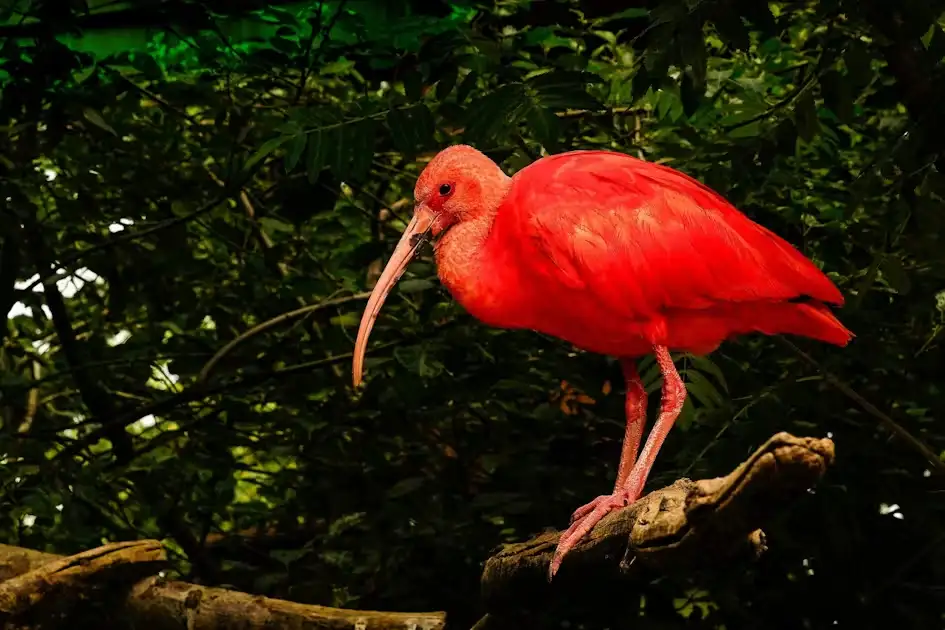
I will be direct: the Caroni Swamp tour is touristy. You will be in a boat with other visitors, and the commentary can feel rehearsed. Despite all of this, it remains one of the most visually spectacular moments I have experienced in the Caribbean. As the sun drops, thousands of scarlet ibis, Trinidad's national bird, fly in from their feeding grounds and settle in the mangroves, turning the trees bright red.
Boats leave from the Caroni visitor area in the late afternoon and wind through mangrove channels, where guides point out tree boas, caimans, crabs and other birds. You then anchor in a lagoon to watch the ibis arrive. On my most recent visit, a woman next to me was in tears watching the display.
Book with a licensed operator that uses smaller boats, and choose a departure that gets you to the lagoon well before sunset. Bring binoculars and a camera with a zoom lens.
Bring insect repellent and a light long-sleeved layer; mosquitoes can be fierce at dusk. Bird numbers vary with the season.
Best for: Sunset chasers, photographers, nature lovers and families.
3. Pitch Lake Walking on Natural Asphalt
A Geological Wonder That Feels Alien
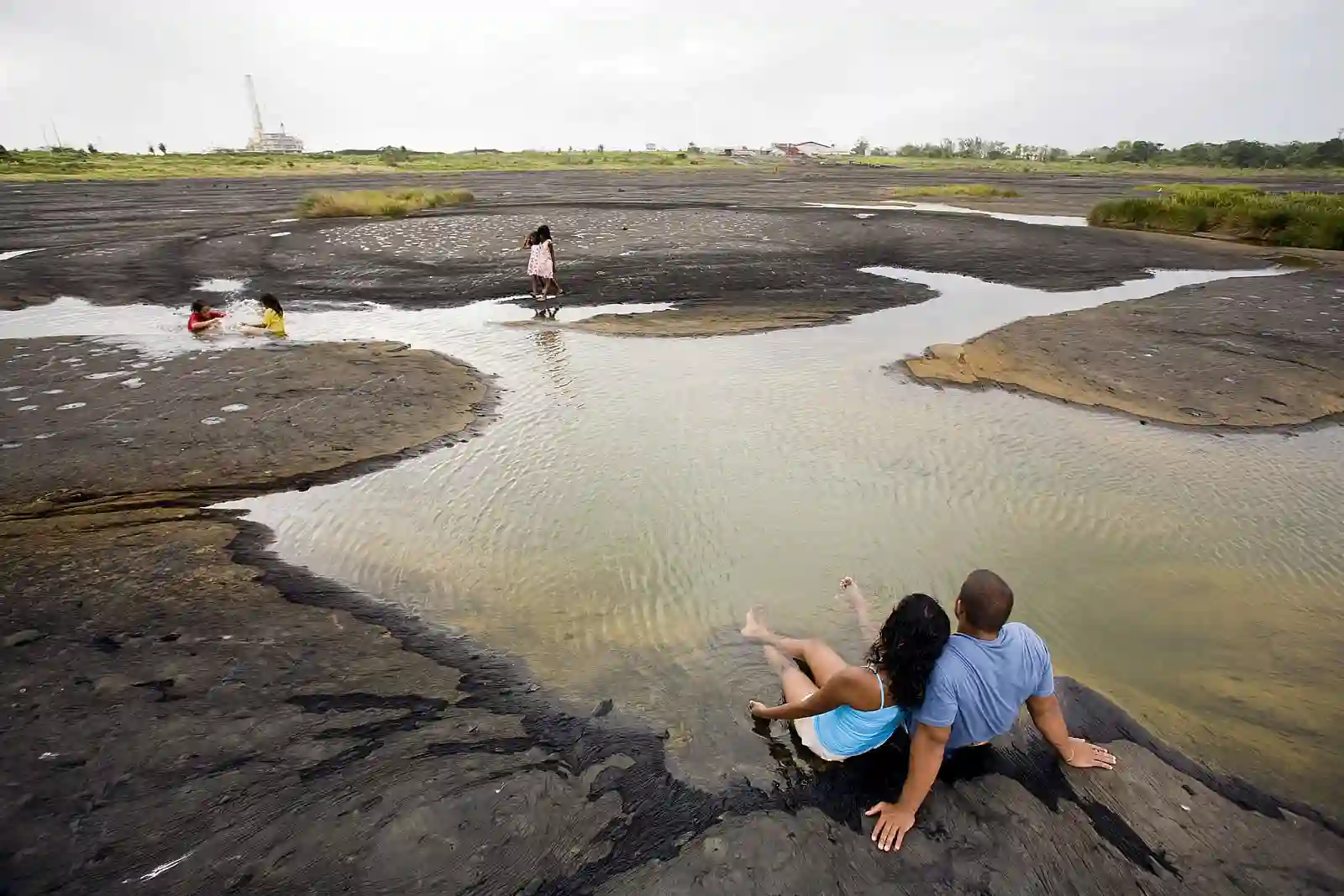
Pitch Lake, in the village of La Brea in south Trinidad, is genuinely unlike anywhere else on earth. Covering around 100 acres, it is the world's largest natural deposit of asphalt. The surface is firm enough to walk on in most places, but it gives slightly underfoot in a disconcerting way. Some first-time visitors think it's amazing; others find it underwhelming. I think the truth is in the middle: it is fascinating, and the visit is relatively brief.
A local guide leads you across the surface, pointing out bubbling gas, rainbow-sheened pools and water-filled hollows where some people bathe for supposed health benefits. The lake has been mined for asphalt for well over a century, and its pitch has paved roads around the world.
Visit in the cooler morning hours, as the surface heats up quickly. Wear shoes with good grip, not flip-flops, and only walk where your guide tells you.
Best for: Geology enthusiasts, curious travelers and anyone wanting a truly unique photo.
4. Maracas Bay and the North Coast
Where Locals Actually Go Swimming
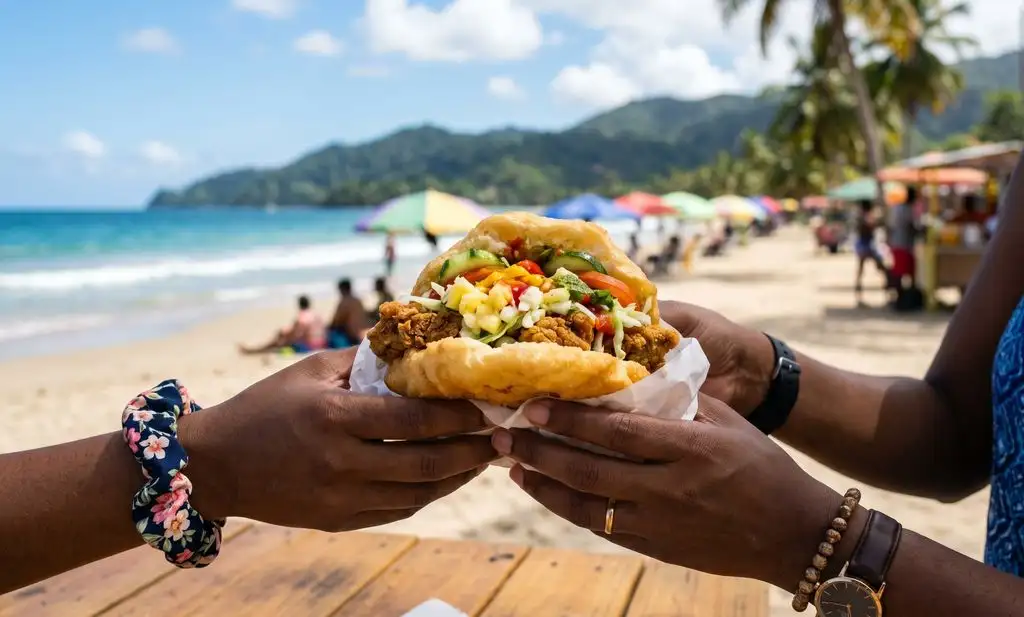
Maracas Bay is good, but not extraordinary as a beach. It's a long, curved stretch of golden sand backed by green hills, with decent waves. If your goal is a perfect postcard beach, you might be disappointed. If your goal is to experience an actual beach where Trinidadians spend their weekends, it is absolutely worth visiting. And it's home to Trinidad's most famous snack: bake and shark, fried shark in a fluffy fried bread, piled with sauces and salads from a huge condiment bar.
The drive over the Northern Range from Port of Spain takes around 45 minutes and is spectacular, with a lookout point over the bay. Continue east to Las Cuevas Bay, a quieter beach with calmer water, and on to the rugged north coast.
Park where you can see your car and keep valuables out of sight; break-ins do happen. Arrive before 10 AM on weekends for parking. Stop at the lookout on the way for photos.
Currents can be strong at Maracas. Swim near the lifeguards and follow the flags.
Best for: Beach lovers, foodies, families and anyone wanting local beach culture.
5. Port of Spain Culture and City Life
The Beating Heart of Trinidad
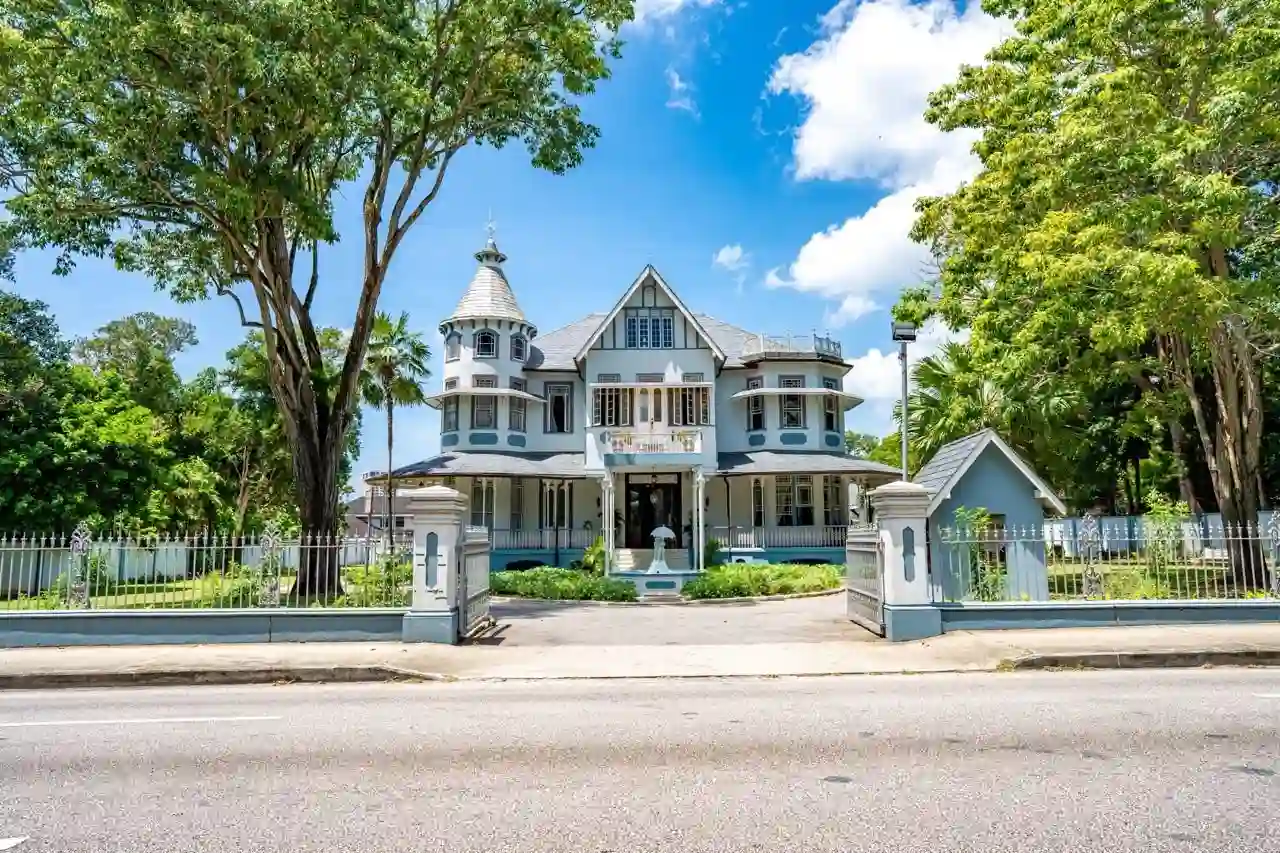
Port of Spain gets a bad reputation in some travel circles. There is some truth to the caution, but it's absolutely essential to understanding Trinidad. This is where Carnival lives, where the music industry thrives, and where the island's creative energy explodes.
Start at the Queen's Park Savannah, a huge open park where locals exercise in the morning and food vendors gather in the evening. Along its western edge stand the Magnificent Seven, a row of ornate colonial-era mansions. Nearby, the Royal Botanic Gardens are among the oldest in the Western Hemisphere, and the National Museum and Art Gallery covers the country's history and art. For views, head up to Fort George above the city or the lookout on Lady Young Road. In the evening, Ariapita Avenue in Woodbrook is lined with bars and restaurants.
Grab doubles from a street vendor early in the morning, then walk around the Savannah. If you're uncomfortable driving in heavy traffic, hire a car and driver for your city day.
Port of Spain has real safety considerations, especially in some areas and after dark. Stick to busy areas, don't flash valuables, and use trusted taxis at night.
Best for: Culture seekers, food lovers, photographers and travelers interested in history.
6. Trinidadian Food The Ultimate Culinary Adventure
Where Caribbean Flavors Reach Their Highest Expression
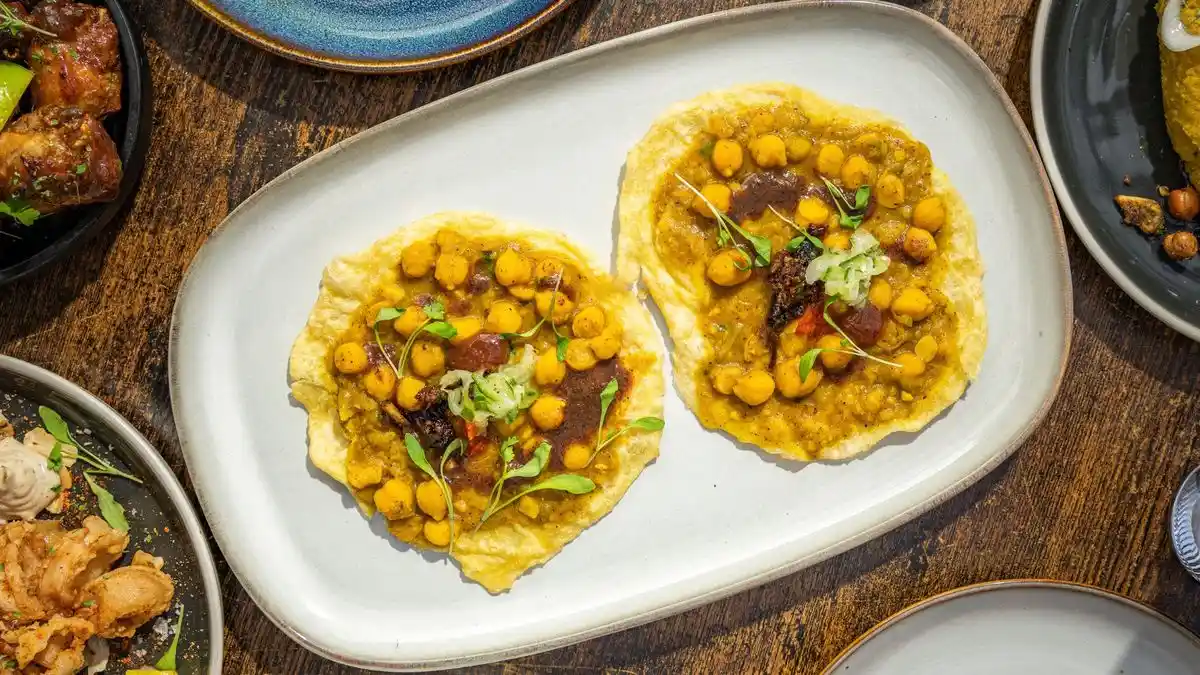
I have eaten my way through most Caribbean islands, and Trinidad has the most diverse food culture of anywhere I have traveled. African, Indian, Chinese, Spanish, French and Middle Eastern influences have created something unique and delicious.
You absolutely must try doubles from a street vendor early in the morning: curried chickpeas between two soft fried breads with pepper sauce and chutneys. Eat bake and shark at Maracas, roti stuffed with curried chicken, goat or vegetables, pholourie (fried split pea dough balls), aloo pie, pelau, callaloo and curry duck. Wash it down with sorrel, mauby or a Carib beer. Some of my best meals have been at small places with no signs, found through local recommendations.
Take a food tour with a guide who lives locally and knows the vendors personally. Ask for "slight" pepper if you're not used to spicy food; Trinidadian pepper sauce is fierce.
Best for: Foodies, budget travelers and anyone interested in Caribbean culture.
7. Hike to Northern Range Waterfalls
Rainforest, Rivers and Hidden Beaches
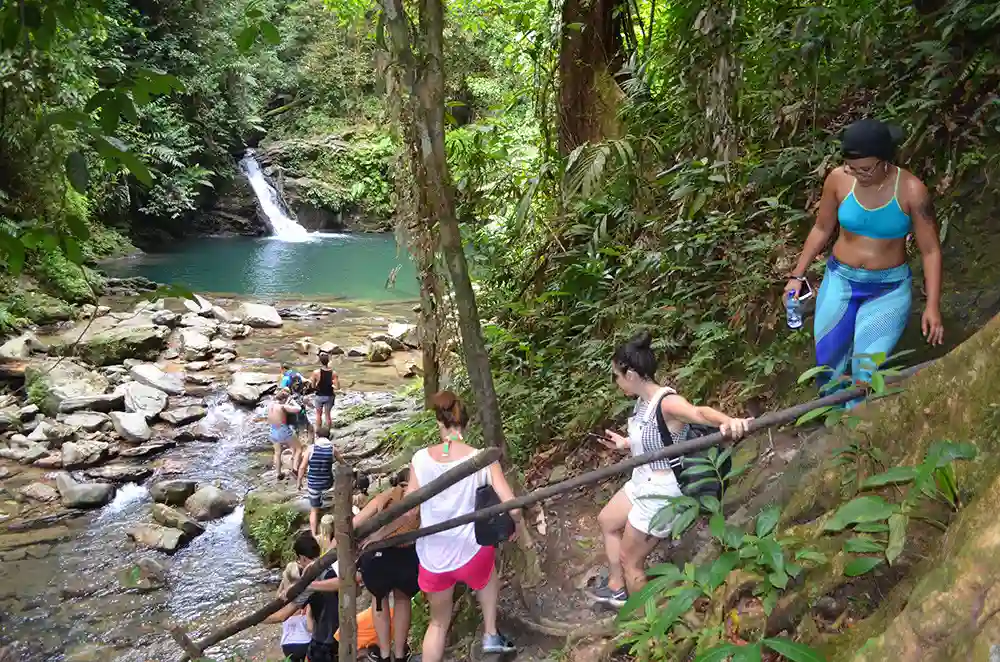
Trinidad's Northern Range is covered in rainforest, rivers and waterfalls, and hiking here is a highlight for nature lovers. Popular hikes include Rio Seco Waterfall in the Matura area, a walk through forest to a deep green pool perfect for swimming, and Paria Waterfall, reached via a longer coastal hike from Blanchisseuse that also passes the beautiful and remote Paria Bay. The Maracas Waterfall in the Maracas Valley is one of the island's tallest.
For a bigger challenge, El Tucuche, one of the island's highest peaks, offers a demanding hike with sweeping views. Guided hikes are available with local hiking groups and tour operators.
Hike with a local guide or group; they know the trails and conditions. Start early, bring plenty of water, and wear shoes that can get wet.
Rivers rise quickly after rain. Avoid hikes during heavy rain, and never hike remote trails alone.
Best for: Hikers, nature lovers and adventure seekers.
8. Watch Leatherback Turtles Nest
One of the World's Great Wildlife Encounters
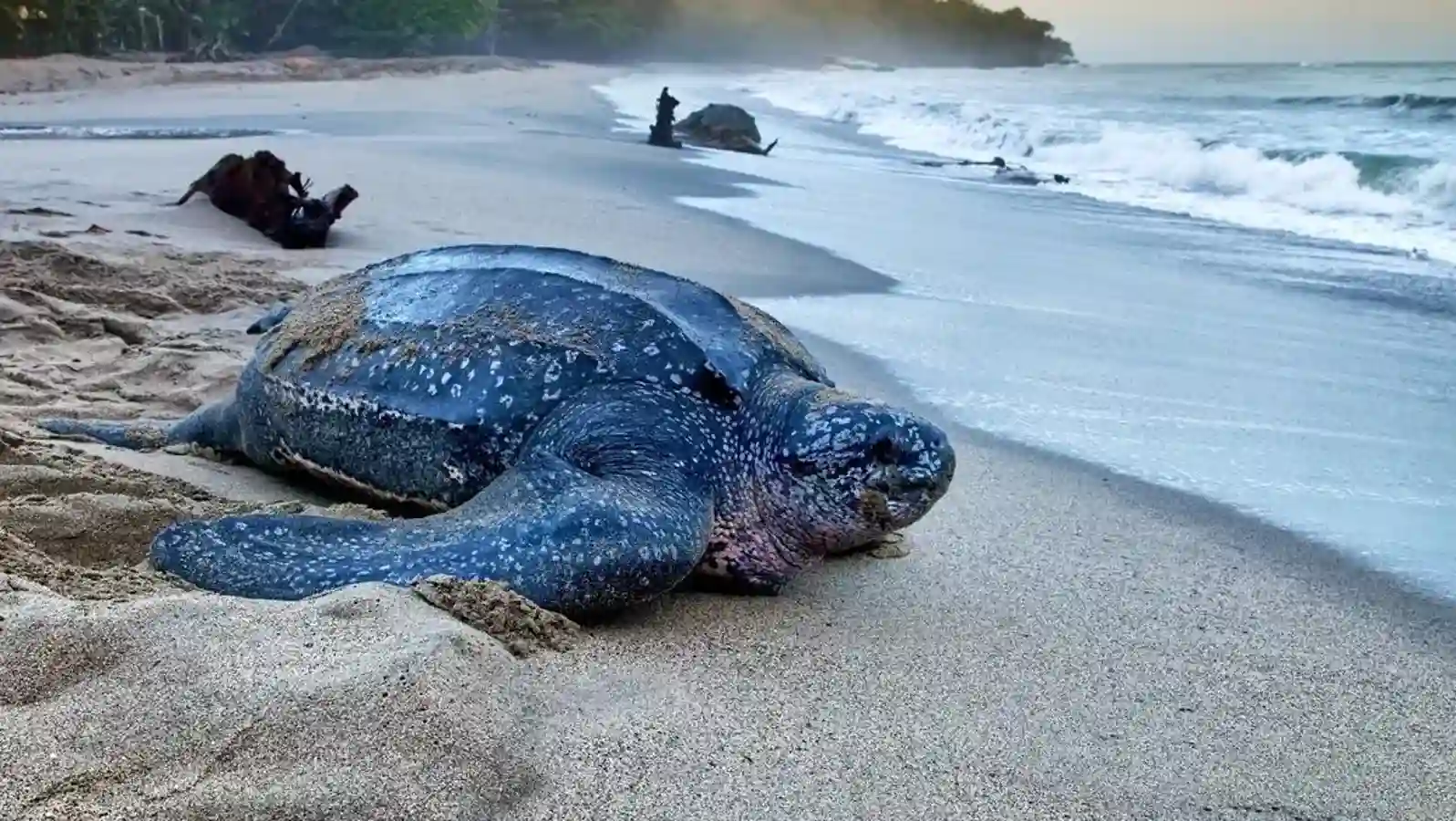
Trinidad is one of the most important nesting sites in the world for leatherback turtles, the largest turtles on Earth. From roughly March to August, females come ashore at night on beaches like Grande Riviere on the north coast and Matura on the east coast to lay their eggs. Seeing a turtle the size of a small car dig her nest in the sand is unforgettable. Later in the season, hatchlings emerge and scramble to the sea.
Visits are carefully managed to protect the turtles. Licensed local guides lead small groups onto the beach using only dim red light.
Stay overnight at Grande Riviere, where turtles often nest right in front of the guesthouses. Book early for the peak months of April to June, and check whether a permit is required for the beach you're visiting.
No flash photography, no white lights and never touch the turtles. Follow your guide's instructions at all times.
Best for: Wildlife lovers, families with older children and photographers.
9. Experience Trinidad Carnival
The Greatest Show on Earth

Trinidad Carnival is widely considered the mother of Caribbean carnivals and one of the greatest street parties on Earth. The main days are Carnival Monday and Tuesday, just before Ash Wednesday, usually in February or early March. They begin with J'ouvert in the early hours of Monday, when revellers cover themselves in paint, mud and oil, and culminate with masqueraders in spectacular costumes parading through Port of Spain on Tuesday.
The weeks before are filled with fetes (parties), calypso and soca competitions, and Panorama, the national steelband competition. You can watch from the streets or join a mas band, buying a costume to parade with thousands of others.
Book accommodation and costumes months in advance. If you join a mas band, choose an all-inclusive one with drinks, food and security. Hydrate constantly.
Crowds are huge. Keep valuables to a minimum, stay with your group, and wear clothes you don't mind ruining at J'ouvert.
Best for: Party lovers, music fans, culture seekers and adventurous travelers.
10. Visit a Steelpan Yard
The Birthplace of the Steel Drum

The steelpan, the only acoustic instrument invented in the twentieth century, was born in Trinidad, and hearing a full steelband play is spine-tingling. Bands practice in open-air pan yards around Port of Spain, and visitors are usually welcome to listen.
The best time to visit is in the weeks before Carnival, when bands rehearse every night for Panorama. The sound of a hundred pans playing together is overwhelming in the best possible way. At other times, look for steelband performances at events and cultural shows.
Ask locally which pan yards are practicing, and go in the evening. Buy a drink from the bar to support the band.
Best for: Music lovers, culture seekers and anyone wanting an authentic local night out.
11. See the Temple in the Sea and Hanuman Statue
Indo-Trinidadian Heritage
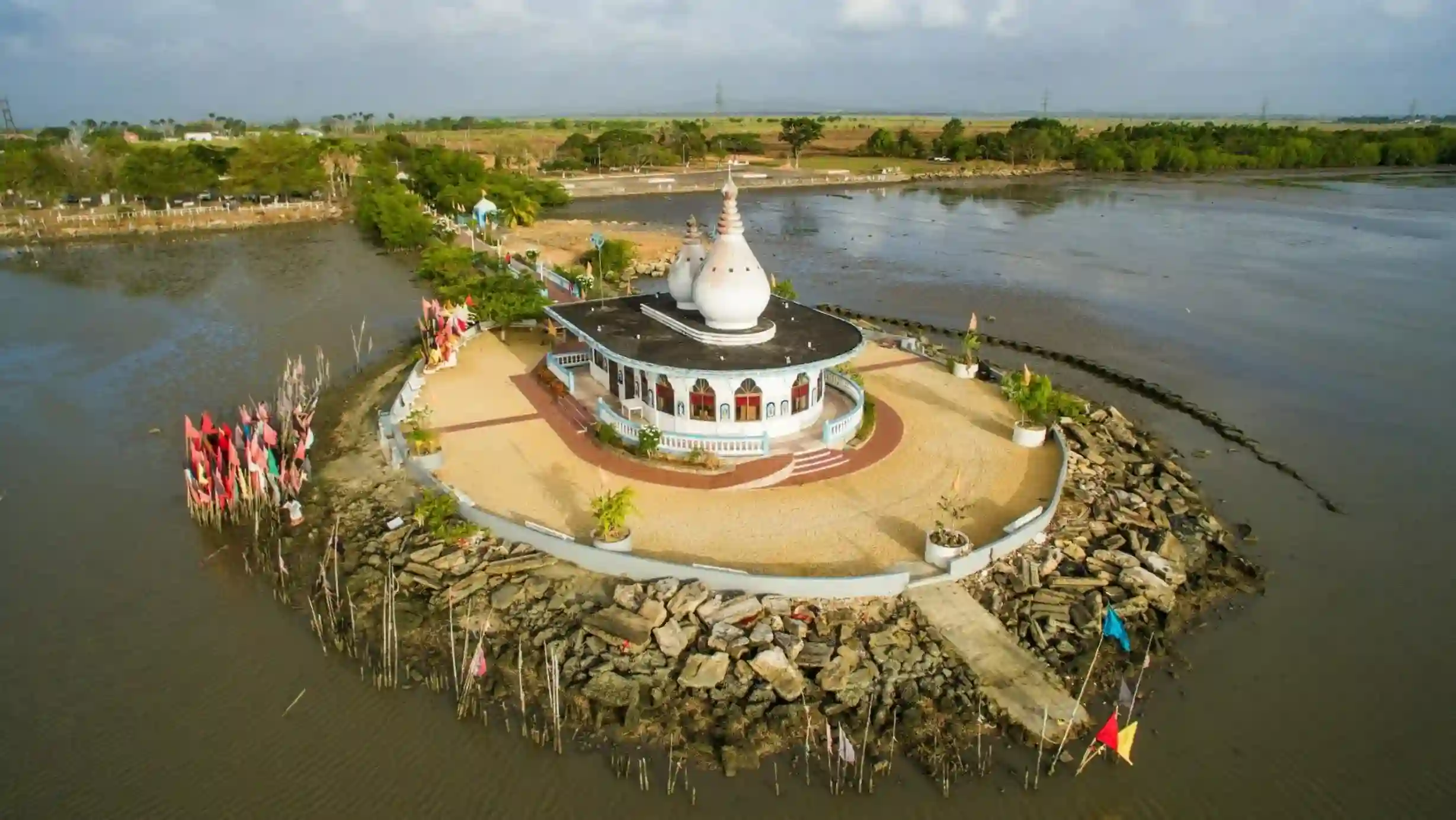
Around a third of Trinidad's population has Indian ancestry, and their culture shapes the island's food, festivals and faith. The Temple in the Sea at Waterloo, on the west coast, is a beautiful Hindu temple built on a platform over the sea. Its story is moving: a laborer named Sewdass Sadhu built the first temple here by hand, carrying rocks into the sea after he was prevented from building on land.
Nearby, the Dattatreya Temple in Carapichaima is home to an 85-foot statue of the Hindu deity Hanuman, one of the largest outside India. The colorful temple complex is striking and welcoming to respectful visitors.
Dress modestly and remove your shoes before entering temples. Visit during Divali (October or November) for lights and festivities.
Best for: Culture seekers, photographers, history lovers and anyone curious about Trinidad's diversity.
12. Explore Chaguaramas and Down the Islands
Boats, Caves and Ziplines
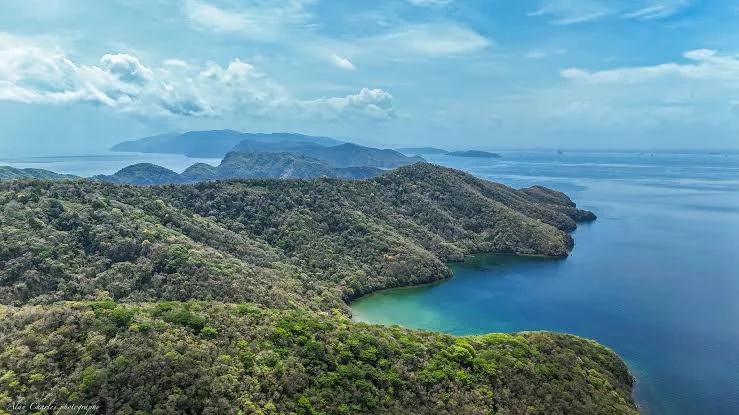
The Chaguaramas peninsula, northwest of Port of Spain, is Trinidad's outdoor playground. Boat trips head "down the islands" to the small islands between Trinidad and Venezuela, including Gaspar Grande, home to the Gasparee Caves, with stalactites and a tidal pool. Many trips also stop for swimming and dolphin spotting.
On land, Chaguaramas has hiking trails, the Bamboo Cathedral, a tunnel of towering bamboo on the road up to the hills, and Macqueripe Bay, where a zipline course flies over the forest canopy. There are also marinas, restaurants and a golf course.
Book a boat trip on a weekday to avoid crowds. Walk the Bamboo Cathedral in the early morning for the best light and bird activity.
Best for: Families, adventure seekers, nature lovers and anyone wanting a break from the city.
13. Take a Day Trip to Tobago
Trinidad's Beach-Lover Sister
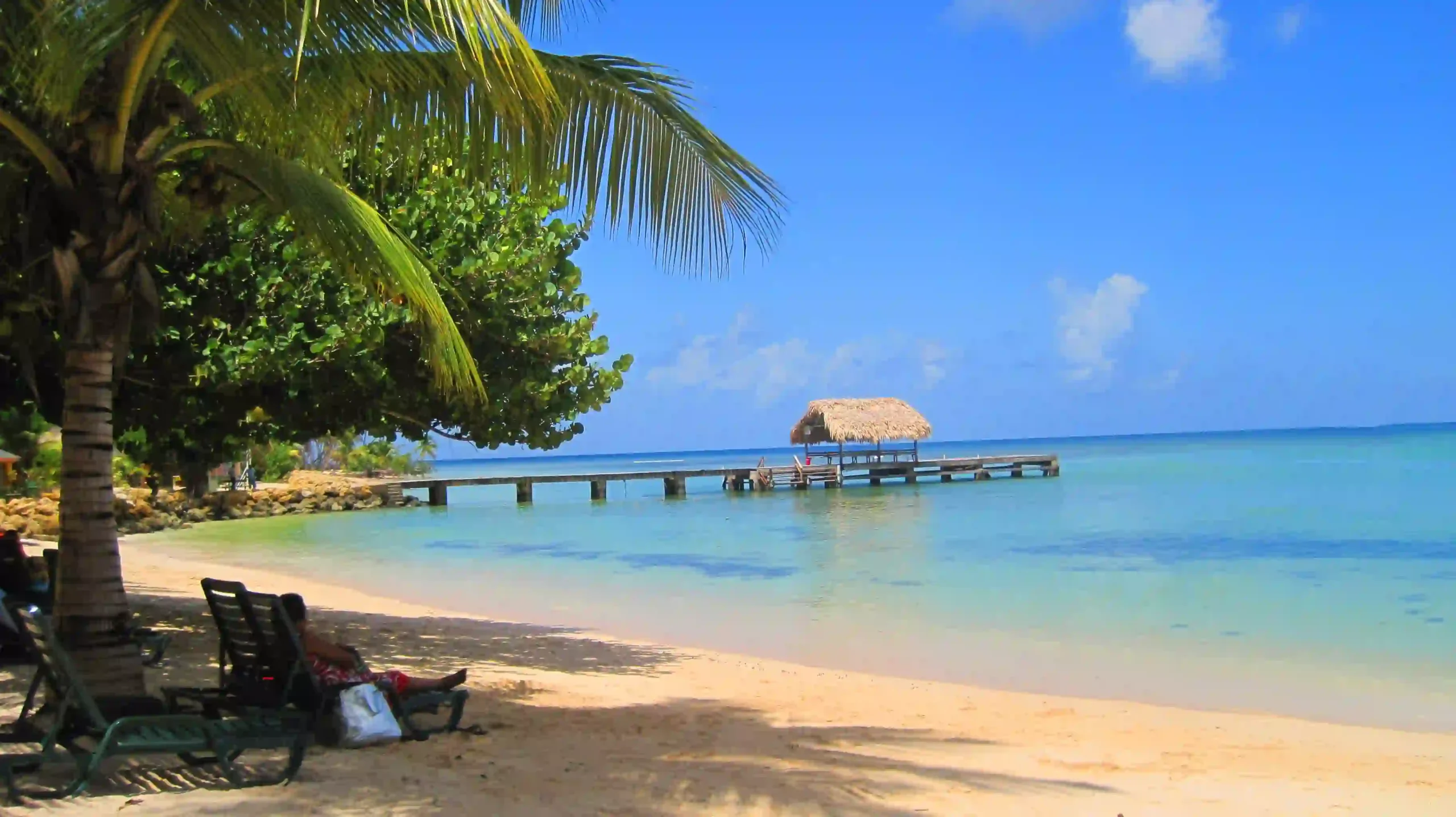
If you want classic Caribbean beaches, hop over to Tobago. A short domestic flight takes around 20 minutes, and the ferry from Port of Spain takes a few hours. Tobago is quieter and more relaxed than Trinidad, with white-sand beaches, coral reefs and rainforest.
Spend your day at Pigeon Point, with its famous thatched jetty, take a glass-bottom boat to Buccoo Reef and the Nylon Pool, or explore the Main Ridge Forest Reserve, one of the oldest protected rainforests in the Western Hemisphere. Ideally, stay a few nights.
Book flights or ferry tickets early, especially around holidays and Carnival. Rent a car in Tobago to explore at your own pace.
Best for: Beach lovers, snorkelers, couples and travelers combining both islands.
More Things To Do If You Have Time
These did not make my top thirteen, but each is worth adding if it fits your trip.
Mount St. Benedict
A hilltop monastery with sweeping views over central Trinidad and a peaceful atmosphere.
Nariva Swamp
Trinidad's largest wetland, home to manatees, howler monkeys and many birds.
Cocoa Estates
Visit a cocoa estate to learn how Trinidad's fine cocoa is grown and processed.
Divali and Phagwah
Hindu festivals of lights and colors, celebrated across the island.
Emperor Valley Zoo
A small zoo next to the Botanic Gardens, good for families.
Mayaro and Manzanilla
Long, wild beaches on the east coast lined with coconut palms.
Best Time to Visit for Each Activity
Trinidad lies mostly south of the main hurricane belt, but its dry and wet seasons shape what you can do.
| Season | Months | Conditions | Best For |
|---|---|---|---|
| Carnival season | January to early March | Dry, festive, busy | Carnival, pan yards, fetes; book early |
| Dry season | March to May | Sunny, hot | Hiking, beaches, turtle season begins |
| Early wet season | June to August | Showers, humid | Leatherback turtles, lush forests |
| Late wet season | September to December | Rainy, green | Divali, parang music at Christmas |
My Practical Tips for Doing Trinidad Right
- 1Hire a driver or use trusted taxis. Traffic is heavy and roads can be confusing. A driver-guide makes day trips much easier.
- 2Plan around traffic. Avoid rush hours in and out of Port of Spain.
- 3Take sensible safety precautions. Stay aware, avoid isolated areas at night and keep valuables out of sight.
- 4Eat street food. Busy stalls with high turnover are usually the best.
- 5Book Carnival early. Flights, hotels and costumes sell out months ahead.
- 6Combine with Tobago. Trinidad for culture and nature, Tobago for beaches.
Common Questions About Things To Do in Trinidad
The questions I get asked most often, answered honestly from personal experience.
My Final Verdict on Things To Do in Trinidad
The Caroni Swamp at sunset is the single experience that defines why Trinidad is extraordinary. If you do nothing else on this list, do that. Book it through a reputable guide, arrive before sunset, and watch thousands of scarlet ibis paint the mangroves red. It costs very little and stays with you for a lifetime.
Beyond that, eat everything you can find. Doubles, roti, bake and shark, pholourie, pelau. Follow the food and the music, and they will take you straight to the heart of this island.
Plan Your Trinidad Trip