
The 13 Best Things To Do in Saint Kitts
Experiences That Actually Justify The Trip
These are the thirteen things I would tell a friend to do on a trip to Saint Kitts, roughly in the order I would prioritise them, with honest notes on what each one is really like.
Things To Do in Saint Kitts The Honest Insider Guide
What Makes The Cut And Why
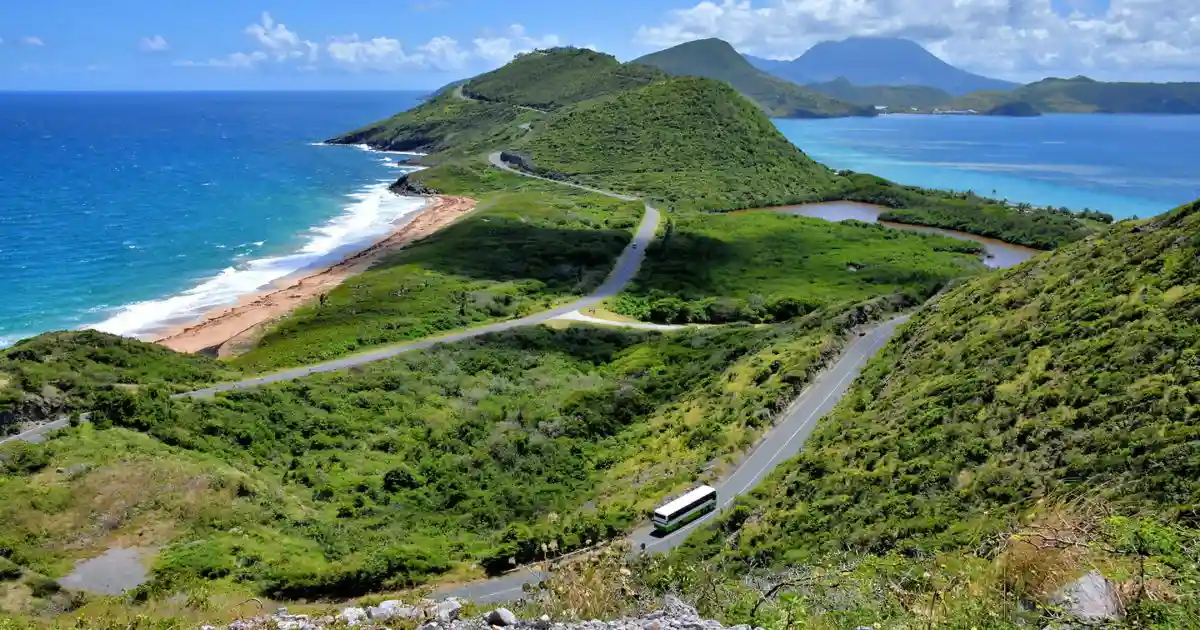
I have visited Saint Kitts more times than I can count, and I genuinely believe it is one of the most underrated islands in the entire Caribbean. While everyone flocks to places like Barbados or St. Lucia, Saint Kitts sits there quietly offering some of the most authentic, adventurous and genuinely fun experiences you can have in the region. I have hiked volcanic peaks, swum in quiet bays, explored colonial ruins that made me feel like an archaeologist, and eaten at hole-in-the-wall restaurants that serve some of the best food I have tasted anywhere in the Caribbean.
When people ask me which things to do in Saint Kitts are actually worth their time, I tell them the truth: this island rewards people who venture beyond the cruise port. You will find adventure, culture, natural beauty and genuine warmth from locals. Whether you are a first-timer trying to prioritise or a return visitor looking for something new, I have personally experienced everything on this list.
Saint Kitts at a Glance
1. Explore Brimstone Hill Fortress National Park
The Experience
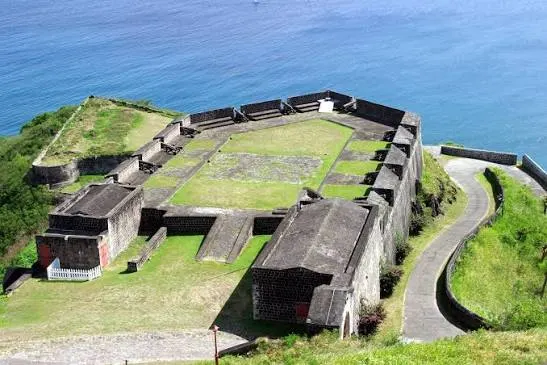
This is hands down the most important historical site on the island, and I rank it as one of my favourite Caribbean forts overall. The fortress sits around 800 feet above sea level on a steep volcanic hill, and it is a UNESCO World Heritage Site. When you stand on the Citadel looking out across the sea to St. Eustatius and Saba, you truly understand why Britain and France fought so hard over this place. In 1782, French forces besieged and captured the fortress, before it was returned to Britain the following year.
What makes Brimstone special is the scale and preservation. The massive stone walls, bastions, barracks and cannons were built largely by enslaved Africans, and the site does not shy away from that history. The museum inside the Citadel provides context, and walking the ramparts brings the story to life.
Most visitors drive up the steep, winding road to the car park near the top. If you are fit, you can walk up the access road, which takes around 45 minutes to an hour and gives you a real sense of the hill's steepness. Plan at least 90 minutes to explore the fortress thoroughly.
Go early in the morning, ideally by 9 AM, before cruise ship tour buses arrive. The light is perfect for photos and it is significantly cooler. Bring more water than you think you need; the stone reflects intense heat and many areas have no shade.
Do not walk up in the afternoon heat. Inside the fortress, there are steep steps and uneven surfaces, and the cannons and open edges require supervision for children. Access is challenging for anyone with significant mobility issues.
Best for: History buffs, photographers, families with older children, and anyone wanting to understand Saint Kitts' past.
2. Swim at Frigate Bay and Explore the South Peninsula
The Experience

Frigate Bay sits on the narrow neck of land south of Basseterre, and it has two very different beaches. North Frigate Bay faces the Atlantic, with bigger waves and a long, wild stretch of sand in front of the resorts. South Frigate Bay faces the Caribbean, with calm, clear water and a row of beach bars known as the Strip. I often split my day between both depending on the mood and the weather.
From Frigate Bay, the road climbs over Timothy Hill, where a lookout gives you one of the island's most famous views: the Atlantic on one side, the Caribbean on the other, and the peninsula stretching toward Nevis. The road then winds through dry hills past salt ponds to the beaches at the southern tip. Friar's Bay has a lively, laid-back beach bar scene. Cockleshell Bay and Banana Bay at the very tip have calm water and views straight across The Narrows to Nevis. Keep an eye out for the island's green vervet monkeys along the way.
The peninsula has become more developed in recent years, with a large resort and marina, but it still has plenty of quiet corners, especially on weekdays.
Stop at the Timothy Hill lookout early in the morning for the clearest views. Pack snorkel gear for the rocky ends of the peninsula beaches, where I have seen turtles and rays. Weekdays are much quieter than weekends, when locals head to the beach.
North Frigate Bay can have strong waves and currents. Swim on the Caribbean side if you are not a confident swimmer. Don't feed the monkeys.
Best for: Beach lovers, snorkelers, photographers, and anyone wanting calm Caribbean water or more active Atlantic waves.
3. Ride the St. Kitts Scenic Railway
The Experience
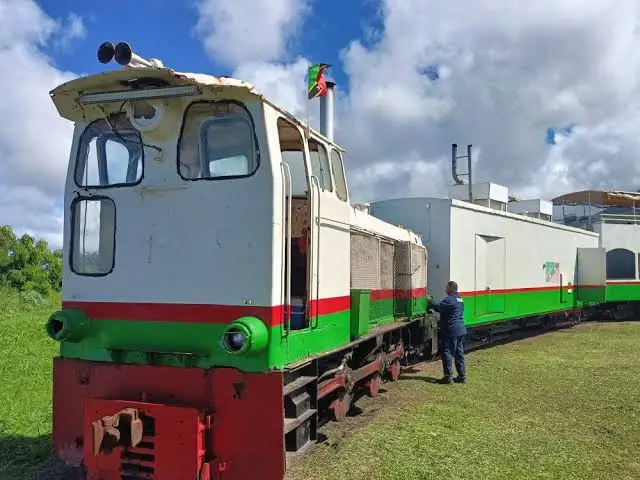
This is genuinely one of the most enjoyable experiences on Saint Kitts, and I was skeptical before I did it. The St. Kitts Scenic Railway runs on the narrow-gauge line built in the early twentieth century to carry sugar cane from the fields to the factory in Basseterre. The line served the sugar industry until it closed in 2005, and today the railway carries visitors instead.
The journey travels part of the way around the island by train, with the rest of the loop completed by bus. You ride in double-decker carriages with an open-air upper deck, passing former sugar estates, villages, ravines and the Atlantic coast, with Mount Liamuiga rising above. Along the way, narration covers the island's history, including the lives of the enslaved and indentured laborers who worked the cane fields, and a choir often sings traditional songs. Drinks and snacks are usually included.
Book in advance, as departures are often scheduled around cruise ship days and can sell out. Sit on the upper deck for the best views and bring a hat and sunscreen. If you're not on a cruise, ask about the days with fewer ship passengers.
Getting on and off the carriages involves steps, which can be difficult for people with mobility issues. This is a leisurely, educational experience, not a thrilling ride.
Best for: Families, history enthusiasts, photographers, and travelers wanting a relaxed island overview.
4. Snorkel the Shipwrecks and Reefs
The Experience
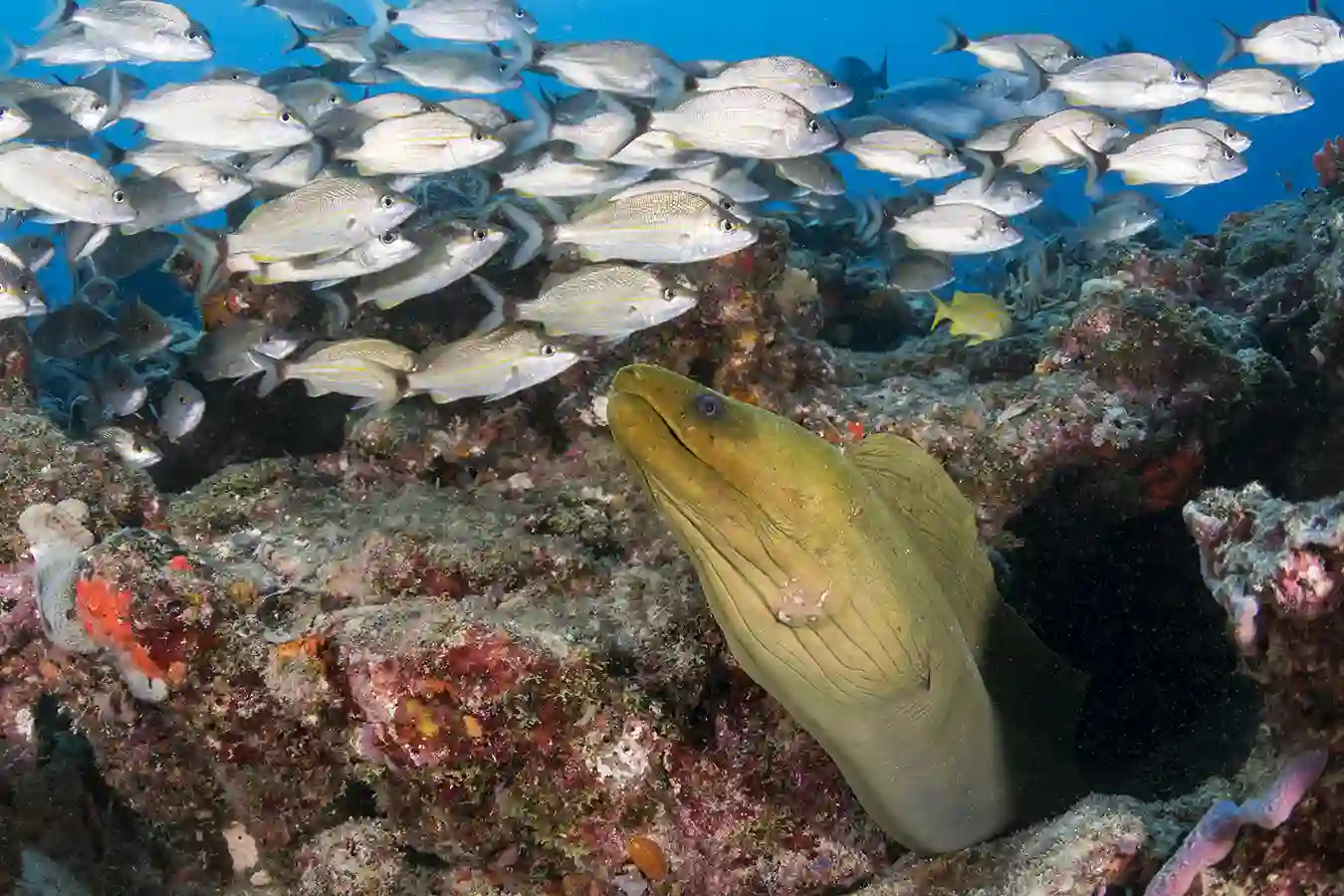
Saint Kitts has impressive snorkeling, and it rarely feels overcrowded. On boat tours, I have seen healthy reefs, schools of colorful fish, sea turtles, rays and nurse sharks. The most memorable moments involve the wrecks, which are a highlight you don't get at every Caribbean snorkel site.
White House Bay on the South Peninsula is my favourite. Its shallow waters hold the remains of an old tugboat and other wreckage, now covered in coral and full of fish, all reachable from the beach. Near Basseterre, the wreck of the River Taw sits in shallow water and is a popular snorkel stop on boat tours. The reefs around Friar's Bay, Shitten Bay and Pump Bay are also good. Divers can explore deeper wrecks and reefs along the island's coast.
Go in the morning when the water is calmest. Ask operators about group sizes; smaller boats offer a far better experience. Bring your own snorkel gear if possible, as rental quality varies. At White House Bay, enter from the rocky side near the wreck, and wear water shoes.
Best for: Snorkelers of all levels, underwater photographers and marine life lovers.
5. Hike Mount Liamuiga Volcano
The Experience
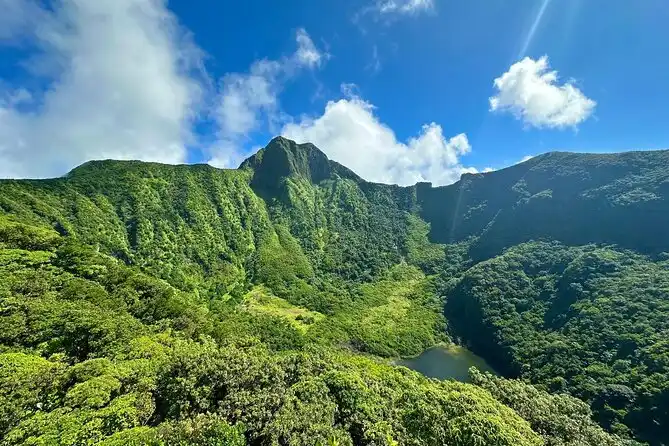
This is the most challenging hike on Saint Kitts, and one of the most rewarding. Mount Liamuiga rises to about 3,792 feet (1,156 meters) and is a dormant volcano. The hike climbs through farmland and then dense rainforest, with giant ferns, twisted roots and mossy trees, to the crater rim, where you look down into a forested caldera that sometimes holds a small lake. On a clear day, the views stretch across the island and to neighbouring islands.
I have done this hike twice, and I strongly recommend going with a guide. The trail is muddy, steep and not always clearly marked, and a guide makes the experience richer by explaining the plants, wildlife and geology. Allow five to six hours round trip.
Start early, around 6 or 7 AM. Mornings usually have clearer views before clouds build. Bring at least two to three liters of water per person, snacks, a light rain jacket and shoes with good grip. The descent is harder on the knees than the climb.
This hike is not suitable for people with significant fitness limitations, knee problems or a fear of heights. The terrain is slippery after rain, and some sections near the rim are exposed. Be honest with your guide about your abilities.
Best for: Fit, experienced hikers and anyone wanting the island's biggest adventure. If the summit isn't for you, the lower rainforest trails give you the same green tunnel of trees and the same chance of seeing monkeys.
6. Walk Historic Basseterre
The Capital's Colonial Heart
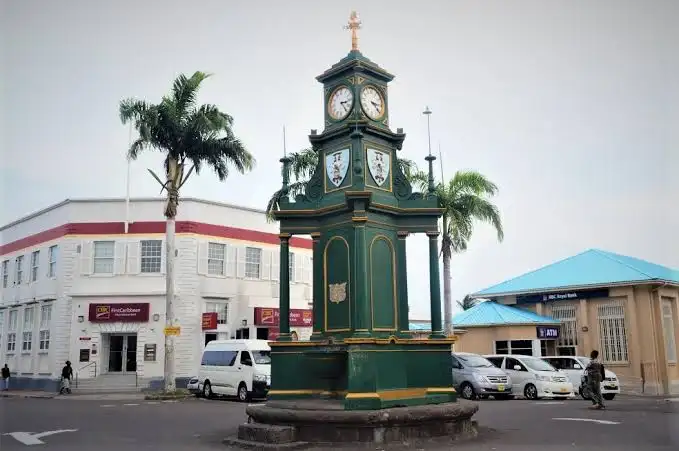
Basseterre is one of the oldest towns in the Eastern Caribbean, and it's worth a morning of wandering. Start at the Circus, a small roundabout modeled on London's Piccadilly Circus, with the ornate green Berkeley Memorial clock at its center. Nearby, Independence Square, once a slave market, is now a peaceful park surrounded by historic buildings and the Immaculate Conception Cathedral.
The National Museum, housed in the old Treasury Building on the waterfront, covers the island's history from its first inhabitants to independence. St. George's Anglican Church is another landmark. Down at the harbour, Port Zante is where cruise ships dock, with shops and restaurants.
Explore Basseterre early in the morning or on a non-cruise day, when the town is quieter and more local. Stop at a local bakery or snack bar for a taste of everyday life. Check museum opening hours before you go.
Best for: History lovers, culture seekers, shoppers and rainy-day plans.
7. Visit Romney Manor and Caribelle Batik
Gardens, History and Handmade Art

Romney Manor, on the island's west side near Old Road, is a former sugar estate set in beautiful tropical gardens against the green slopes of the rainforest. The gardens are home to a massive saman tree, said to be several hundred years old, with branches spreading over a huge area. It's one of the most peaceful spots on the island.
The estate is home to Caribelle Batik, where artisans create colorful batik fabrics using wax and dyes. You can watch demonstrations and buy clothing, wall hangings and souvenirs. Nearby, the Wingfield Estate has the ruins of one of the oldest rum distilleries in the Caribbean, and close by at Old Road you'll find ancient Kalinago petroglyphs carved into rocks.
Combine Romney Manor with the petroglyphs, a rainforest walk and ziplining for a full half-day. Visit in the morning when the gardens are cooler. Buying batik directly here supports local artisans.
Best for: Garden lovers, photographers, culture seekers, shoppers and families.
8. Zipline and Hike the Rainforest
Flying Over the Treetops

Saint Kitts' central mountains are covered in lush rainforest, and exploring it is a highlight for many visitors. Near Wingfield Estate, a zipline course sends you flying over deep rainforest ravines, with views of the forest canopy and the sea beyond. It is thrilling but suitable for most people, and guides handle all the safety equipment.
If you prefer to stay on the ground, guided rainforest hikes follow trails through giant trees, ferns and streams. You'll learn about medicinal plants, spot birds and often see green vervet monkeys, which were introduced to the island centuries ago and now thrive in the forest.
Book ziplining in the morning, before afternoon rain showers. Wear closed-toe shoes and clothes you don't mind getting muddy. Many operators combine a rainforest walk with the zipline.
Ziplines have weight and age restrictions, so check before booking. Trails can be very muddy after rain.
Best for: Adventure seekers, families with older children, nature lovers and anyone wanting a break from the beach.
9. Take a Day Trip to Nevis
Saint Kitts' Quieter Sister
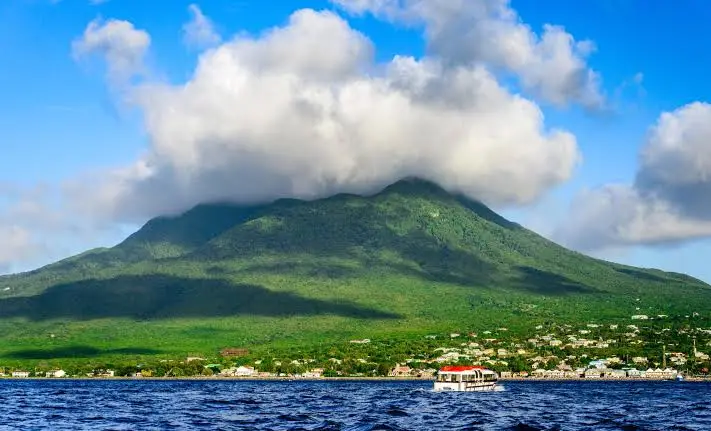
Nevis, Saint Kitts' sister island, is just a short hop away and makes an easy, rewarding day trip. Passenger ferries run between Basseterre and Charlestown, taking around 45 minutes, and water taxis cross from the South Peninsula in around 10 to 15 minutes. The island is dominated by Nevis Peak, often wrapped in cloud.
In Charlestown, visit the Museum of Nevis History, set in the birthplace of Alexander Hamilton, one of the founding fathers of the United States. Then head to Pinney's Beach, a long stretch of golden sand with beach bars. Other highlights include the Nevis Botanical Garden, historic plantation inns and the old Bath Hotel with its hot springs.
Take an early ferry and hire a taxi driver in Charlestown for an island tour; Nevis is small enough to see the highlights in a day. Check return ferry times carefully so you don't miss the last one.
Best for: History buffs, beach lovers, couples and anyone wanting to see two islands in one trip.
10. See Black Rocks on a Round-Island Drive
The Wild Atlantic Coast

Driving the main road around Saint Kitts is one of the best ways to see the island, and it takes only a few hours without stops. The highlight on the Atlantic coast is Black Rocks, dramatic formations of dark volcanic rock created by lava flows from Mount Liamuiga, where waves crash against the cliffs. It's free and genuinely spectacular.
Along the way, you'll pass old sugar mills, villages, churches and cane fields. At the island's northern tip, Dieppe Bay has a black sand beach and a reef offshore. On the Caribbean side, stop at Brimstone Hill, the Old Road petroglyphs and Bloody Point, the site of a tragic massacre of the Indigenous Kalinago people by English and French settlers in 1626.
Drive the loop clockwise or counter-clockwise, but start early to fit in Brimstone Hill before the crowds. A local taxi driver makes an excellent guide if you'd rather not drive on the left.
Stay back from the edges at Black Rocks; waves can be powerful and the rocks slippery. Do not swim on the Atlantic side unless locals confirm it's safe.
Best for: Road trippers, photographers, history lovers and anyone wanting to see the whole island.
11. Sail on a Catamaran Cruise
The Island From the Water

A catamaran cruise is one of the most relaxing ways to see Saint Kitts. Popular trips sail along the coast, with a snorkeling stop and often a beach stop on Nevis, while sunset cruises focus on drinks, music and the views as the sun drops over the Caribbean. Many include lunch, open bar and snorkel gear.
For something more active, try deep-sea fishing for mahi-mahi, wahoo and tuna, or a kayak or paddleboard session on the calm western bays.
Choose smaller boats for a calmer, less crowded experience. Book sunset cruises early in your stay so you can reschedule if the weather turns.
Best for: Couples, families, groups of friends and sunset lovers.
12. Enjoy the Strip at Frigate Bay
Beach Bars and Nightlife
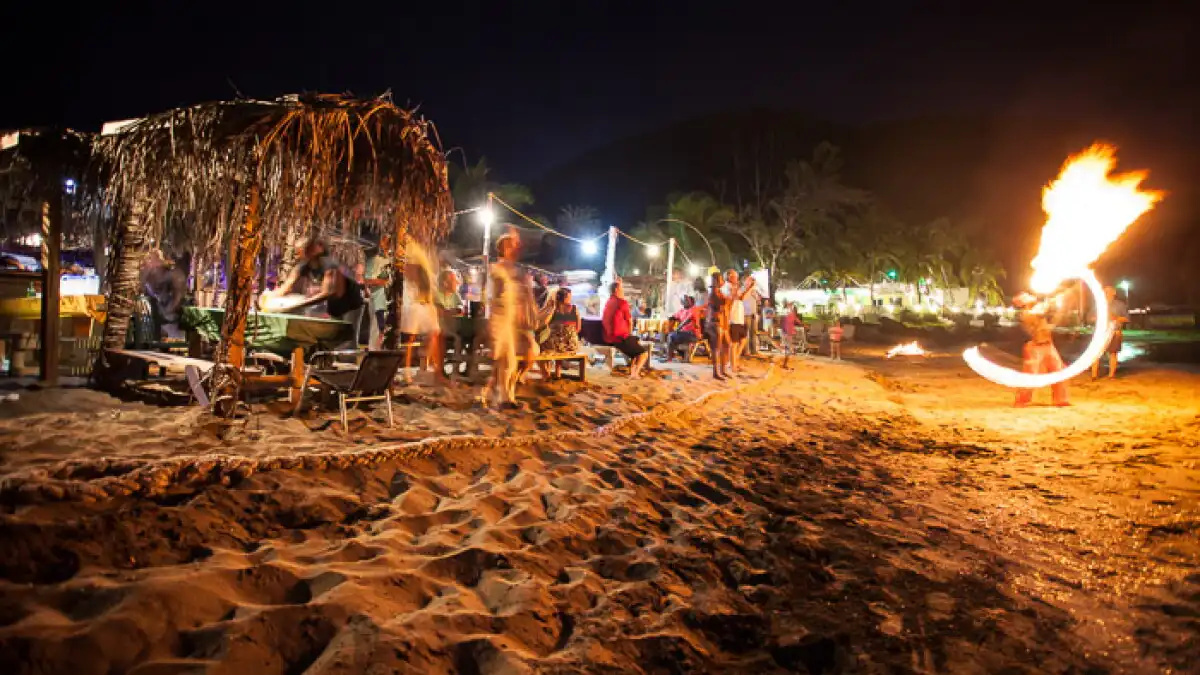
Saint Kitts' social scene centers on the Strip, a row of colorful beach bars and restaurants on South Frigate Bay. By day, it's a relaxed place for lunch with your feet in the sand. In the evening, the bars light up, music plays and locals mix with visitors over rum punch and grilled seafood. Weekends are especially lively, with live music and DJs.
It's casual, friendly and a fun way to experience local nightlife without dressing up. Many bars also have beach chairs to rent during the day.
Arrive for sunset and stay for dinner. Ask locals which bar has live music that night. Take a taxi back rather than driving.
Best for: Social travelers, couples, groups of friends and anyone wanting to experience local nightlife.
13. Taste Kittitian Food and Rum
Local Flavors
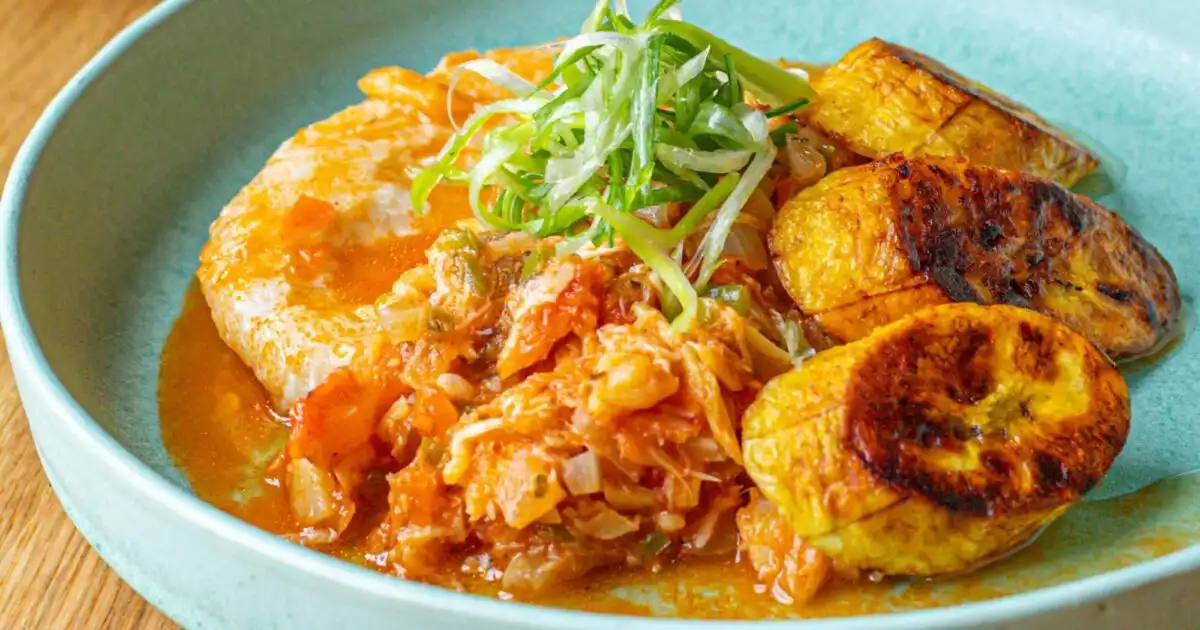
Eating locally is one of the best ways to understand Saint Kitts. The national dish is stewed saltfish, served with spicy plantain, coconut dumplings and seasoned breadfruit. Look for goat water, a rich, spicy goat stew, johnny cakes, fresh fish and conch, and local sweets made with coconut and guava.
Try local drinks too. CSR (Cane Spirit Rothschild) is a clear sugarcane spirit produced on the island, often mixed with grapefruit soda, and local rums and fresh fruit juices are everywhere. Small local restaurants and roadside stands serve the most authentic food at the lowest prices.
Ask your taxi driver or hotel staff where locals eat lunch. Try goat water on a Saturday, when it's traditionally cooked in many villages.
Best for: Foodies, curious travelers, budget travelers and anyone wanting a true taste of the island.
More Things To Do If You Have Time
These did not make my top thirteen, but each is worth adding if it fits your trip.
Sugar Mas Carnival
Saint Kitts' carnival runs from late December into early January, with parades, music and J'ouvert.
St. Kitts Music Festival
A major music festival held in late June with regional and international acts.
Golf
Play golf at Frigate Bay or on the South Peninsula with ocean views.
Monkey Spotting
Green vervet monkeys are common in the hills and along the peninsula road.
Scuba Diving
Dive wrecks and reefs around the island with local dive operators.
Horseback Riding
Ride along the beach or through the countryside with local stables.
Best Time to Visit for Each Activity
Saint Kitts is warm all year, but the seasons affect weather, crowds and events.
| Season | Months | Conditions | Best For |
|---|---|---|---|
| Peak season | December to April | Dry, sunny, busy | Hiking, beaches, Sugar Mas; book early |
| Shoulder season | May to June | Warm, calmer seas | Snorkeling, Music Festival, value |
| Wet season | July to November | Humid, showers, hurricane risk | Quiet visits, lush rainforest, low prices |
My Practical Tips for Doing Saint Kitts Right
- 1Check the cruise schedule. Brimstone Hill, the railway and Basseterre get much busier on cruise days.
- 2Rent a car or hire a driver. Taxis are plentiful, but a car gives you flexibility. Remember to drive on the left.
- 3Go early for everything. Mornings are cooler, clearer and less crowded.
- 4Carry cash. Small restaurants and beach bars often prefer cash.
- 5Hire guides for hikes. Trails can be confusing, and guides add huge value.
- 6Leave time for Nevis. Even a single day adds a lot to your trip.
Common Questions About Things To Do
The questions I get asked most about what to do in Saint Kitts, answered honestly.
My Final Thoughts on What To Do in Saint Kitts
What makes Saint Kitts satisfying is that the best things to do here are genuinely different from each other. A fortress, a beach, a train, a reef, a volcano, a rainforest and a sister island just across the water make for a properly varied week, and very few islands this size can offer that spread without any of it feeling like filler.
If you do only two things, make them Brimstone Hill and a full day on the peninsula beaches. If you have the energy for a third, climb the volcano or take the day trip to Nevis. That combination gives you the history, the relaxation and the adventure that explain why I keep coming back to this island.
Explore Saint Kitts